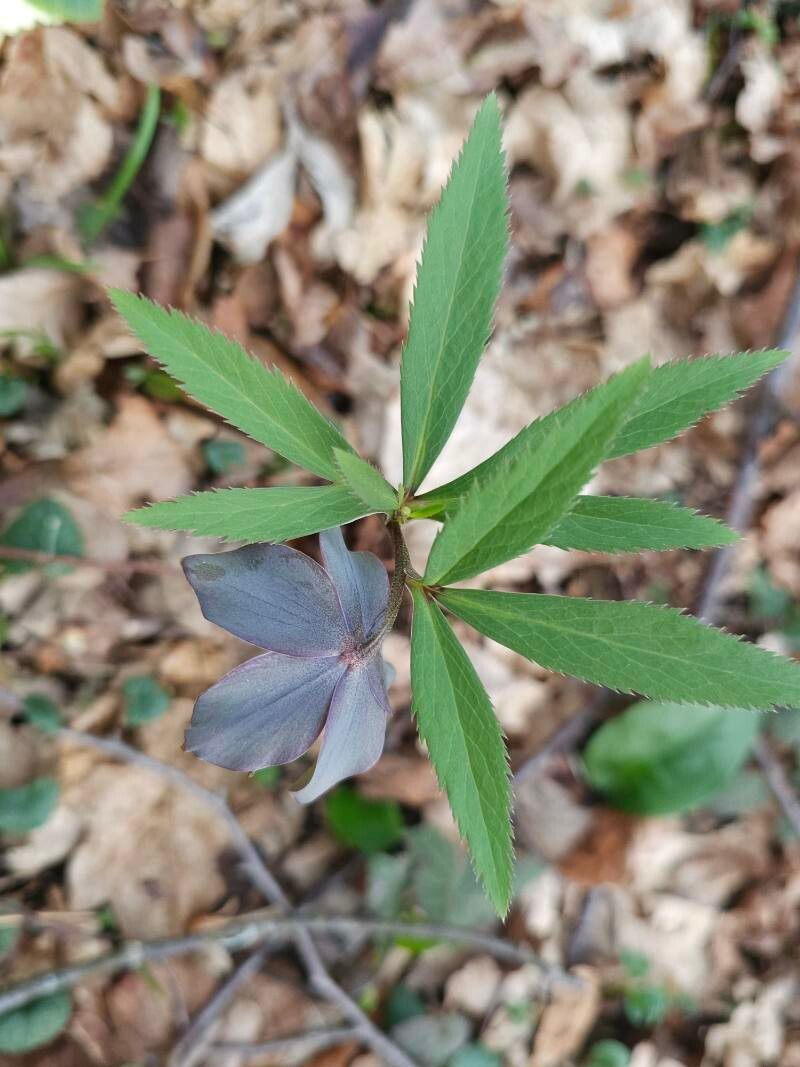
Oh, hello there! Pull up a chair and let’s chat about one of my absolute favorite garden treasures: Helleborus atrorubens. If you’ve ever seen these deep, velvety little gems nodding their heads in the late winter garden, you know exactly what I mean. They’re such a cheerful and elegant presence when most other things are still snoozing. And guess what? Propagating them is a wonderfully rewarding endeavor, even for those of you just dipping your toes into the gardening world. It might require a little patience, but the payoff of seeing your own little Helleborus atrorubens babies flourish is just immense. You don’t need to be a seasoned pro to give this a go, but a fresh approach and some specific techniques will certainly help!
The Best Time to Start
For Helleborus atrorubens, I’ve found the absolute sweet spot for propagation is late summer to early fall. Think August through September, just as the intense heat of summer is breaking and the plant is getting ready to send up new growth. This allows the divisions or cuttings to establish themselves before the chill of winter really sets in. Starting them now gives them a good head start for the following spring.
Supplies You’ll Need
Gathering your supplies beforehand makes the whole process smoother. Here’s what I usually have on hand:
- Sharp pruning shears or a clean knife: For making clean cuts.
- Well-draining potting mix: I often create my own blend of equal parts peat moss, perlite, and coarse sand. For Hellebores, a good blend that allows for excellent drainage is key.
- Small pots or trays: Clean ones, of course! Terracotta pots are nice as they breathe well.
- Rooting hormone (optional but recommended): A powdered hormone can give cuttings a nice boost.
- Watering can with a fine rose attachment: To water gently without disturbing new roots.
- Labels and a permanent marker: So you don’t forget what you planted where!
Propagation Methods
Helleborus atrorubens is most commonly and successfully propagated through division. While stem cuttings can be attempted, they can be trickier with these plants, and division is generally much more reliable for creating new, robust plants.
Division: The Garden’s Natural Recycling Program
- Timing is Everything: As mentioned, late summer to early fall is ideal. Wait until the plant has finished its blooming cycle and is no longer actively flowering or producing seed pods.
- Gently Excavate: Carefully dig around the base of your established Helleborus atrorubens plant. You want to lift the entire clump from the soil. I prefer to do this when the soil is slightly moist, not bone dry or waterlogged, as it makes it easier to work with.
- Tease Apart: Once the clump is out of the ground, gently shake off excess soil. You’ll see that the plant naturally forms several smaller crowns or rhizomes. Using your hands or a clean knife, carefully separate these crowns. Aim to get at least one healthy growing point and some roots on each division. Don’t be afraid to get your hands dirty here; it’s part of the fun!
- Inspect and Trim: Look for any damaged roots or leaves and trim them away with your clean shears. This helps the new divisions focus their energy on establishing roots.
- Pot Up: Plant each division in its own pot filled with your well-draining potting mix. Ensure the crown (where the leaves emerge from the roots) is just at the soil surface. Firm the soil gently around the division.
- Water In: Water thoroughly after potting. This helps settle the soil around the roots.
The “Secret Sauce” (Pro Tips)
Here are a couple of things I’ve learned over the years that seem to really make a difference with Hellebores:
- The “Sweet Spot” for Soil: While good drainage is paramount, Hellebores appreciate a little bit of richness. I often add a small amount of well-rotted compost or leaf mold to my potting mix for divisions. It gives them that initial boost of nutrients they need to get going.
- Patience is a Virtue (and a Shield): After dividing and potting, resist the urge to fuss too much. Place your newly potted divisions in a shady, protected spot, out of direct sun and strong winds. They need time to recover and send out new roots without added stress. A cold frame is excellent for this if you have one.
Aftercare & Troubleshooting
Once your divisions are potted, keep the soil consistently moist but never waterlogged. Think of it as a damp sponge, not a swimming pool. As new leaves begin to emerge, you know they’re happily settling in. You can gradually introduce them to brighter light as they grow stronger, but avoid harsh midday sun for the first few months.
The most common issue you might encounter is rot, often due to overwatering or poor drainage. If you see leaves yellowing and wilting, and the soil stays soggy, this is a good indicator. Unfortunately, if rot sets in, it’s hard to recover. The best prevention is good drainage and avoiding soggy soil from the outset. If you’re unsure, it’s always better toErr on the side of slightly drier than too wet.
A Encouraging Closing
Propagating Helleborus atrorubens is a beautiful way to multiply these enduring beauties. Don’t be discouraged if your first attempt doesn’t yield a forest! Each plant is a little different, and the process itself is a wonderful learning experience. Be patient, observe your new plants, and enjoy the slow, steady magic of watching them grow. Happy gardening!
Resource: