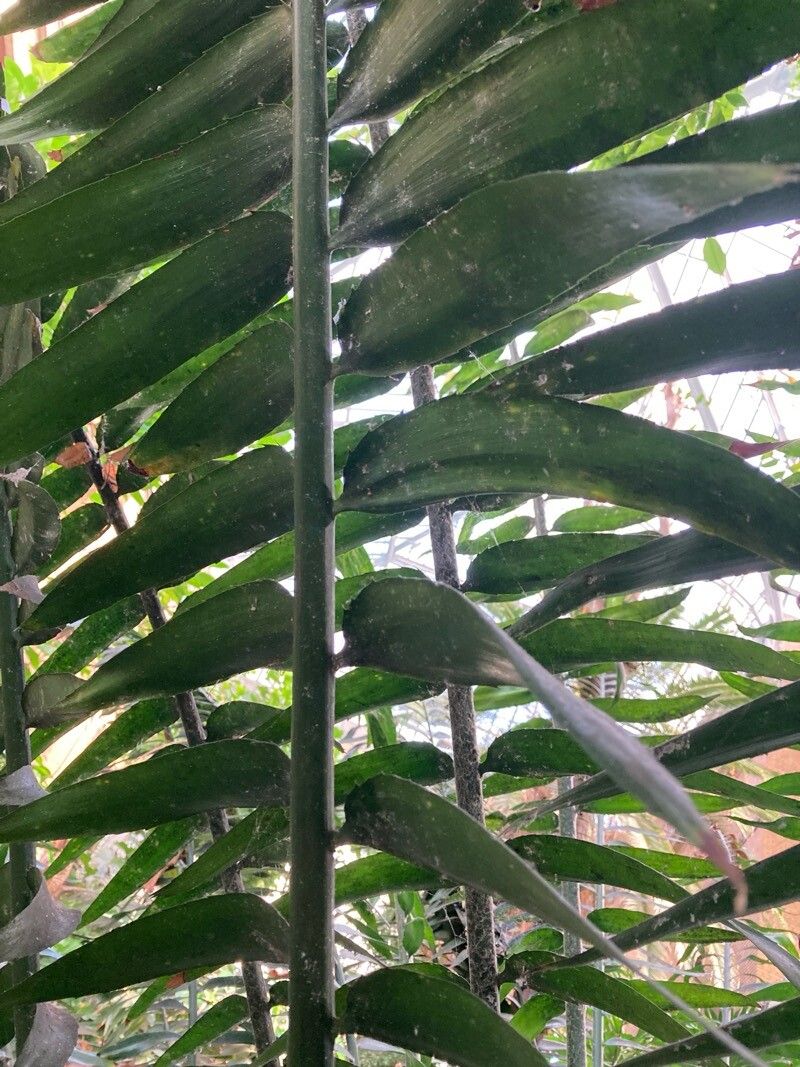
Hello there, fellow plant enthusiasts! Let’s talk about a truly stunning cycad, the Encephalartos laurentianus. These plants, with their bold, architectural fronds, bring a touch of prehistoric wonder to any garden. If you’ve ever admired their majestic presence and thought about adding more to your collection, or perhaps sharing them with friends, propagating them is a wonderful and incredibly rewarding endeavor. Now, I’ll be honest, Encephalartos laurentianus aren’t the most straightforward plants to propagate for absolute beginners. They require a bit of patience and understanding, but with the right approach, you can absolutely achieve success.
The Best Time to Start
For the highest success rate with Encephalartos laurentianus, your best bet is to start in late spring or early summer. This is when the plant is actively growing and has the energy to put into developing new roots. You’ll want to work with a plant that is mature and healthy, not one that looks stressed or weak. Look for signs of new growth, like emerging cones or fresh leaves, as this indicates good vigor.
Supplies You’ll Need
Before we get our hands dirty, let’s gather our tools:
- Clean, sharp pruning shears or a sharp knife: For making clean cuts.
- Rooting hormone powder: This is a must-have for encouraging root development.
- Well-draining potting mix: A good blend for cycads usually includes coarse sand, perlite, and a bit of peat moss or coco coir. You can also find specially formulated cactus and succulent mixes.
- Small pots or trays: Clean, with drainage holes.
- Labels and a permanent marker: To keep track of what you’ve propagated and when.
- A shallow tray or saucer: For bottom watering.
- Optional: A heat mat: To provide gentle bottom warmth, which can significantly speed up rooting.
Propagation Methods: Offsets are Your Friend
Encephalartos laurentianus primarily propagate via offsets, which are like baby plants that grow from the base of the mother plant. This is by far the most reliable method.
- Locate the Offsets: Gently brush away some of the soil around the base of your mature Encephalartos laurentianus. You’re looking for small, distinct plantlets that have emerged from the trunk. They might already have a few tiny leaves or just be a nub.
- Prepare Your Tools: Sanitize your pruning shears or knife with rubbing alcohol. This is crucial to prevent the spread of any diseases.
- Gently Separate the Offset: Carefully assess how the offset is attached. You want to make a clean cut as close to the mother plant’s trunk as possible, ideally taking a small portion of the parent’s base with the offset. Sometimes, you can gently twist or pry them apart, but a clean cut is often best. If the offset has very small leaves, you can leave them on.
- Allow to Callus: This is a critical step. After separating the offset, do not plant it immediately. You need to let the cut end dry and form a callus over for at least a week, or even two, in a dry, shaded, and well-ventilated spot. This prevents rot when you plant it.
- Prepare the Potting Mix: Fill your clean pots with your well-draining potting mix. Moisten it slightly, but it shouldn’t be soggy.
- Apply Rooting Hormone: Dip the callused end of the offset into rooting hormone powder, tapping off any excess.
- Plant the Offset: Make a small hole in the soil of your prepared pot. Gently insert the offset into the hole and firm the soil around it to provide support. Ensure the base of the offset is in contact with the soil.
- Water Sparingly: Water lightly around the base of the offset. You want the soil to be moist but not waterlogged.
The “Secret Sauce” (Pro Tips)
Here are a few tricks I’ve learned over the years that can really make a difference:
- Don’t Overwater, Ever! This is probably the number one killer of freshly planted offsets. They are prone to rot, and too much moisture is their worst enemy. Water only when the top inch or so of soil feels dry.
- Bottom Heat is a Game Changer: If you have a heat mat, place your potted offsets on it. This gentle warmth from below encourages root formation much faster than ambient room temperature. It mimics the natural warmth of the soil in their native habitat.
- Airflow is Your Friend: Make sure the area where your cuttings are rooting is well-ventilated. Stagnant air can encourage fungal diseases. If you’re starting multiple offsets, give them a little space.
Aftercare & Troubleshooting
Once your offset is planted and has callused, patience is key.
- Watering: As mentioned, water sparingly. I usually water thoroughly when the soil is dry, then wait again. You can also use the shallow tray method: place the pot in a shallow tray of water and let it soak up water from the bottom for about an hour, then remove it and let it drain completely.
- Light: Place your new plant in a bright location, but out of direct, harsh sunlight. Dappled shade is ideal.
- Checking for Roots: Don’t be tempted to pull on the plant to check for roots too often, as this can damage developing ones. After several weeks to a couple of months, you might start to see signs of new growth. A gentle tug might also reveal some resistance, indicating roots have formed.
- Troubleshooting Rot: If you notice the offset turning mushy, dark, or developing a foul smell, it’s likely rot. If you catch it early, you can try to cut away the rotted parts with a clean knife, dust the clean cut with sulfur powder (a natural fungicide), and let it callus again before replanting in fresh, dry soil. Unfortunately, severe rot is often fatal.
A Humble Beginning
Propagating an Encephalartos laurentianus is a journey, not a race. It requires a watchful eye and a gentle hand. Don’t be discouraged if your first attempt isn’t a runaway success. Each plant and each offset is unique. Celebrate the small victories, learn from any challenges, and most importantly, enjoy the process of nurturing a new life from your cherished plant. Happy propagating!
Resource:
https://identify.plantnet.org/k-world-flora/species/Encephalartos%20laurentianus%20De%20Wild./data