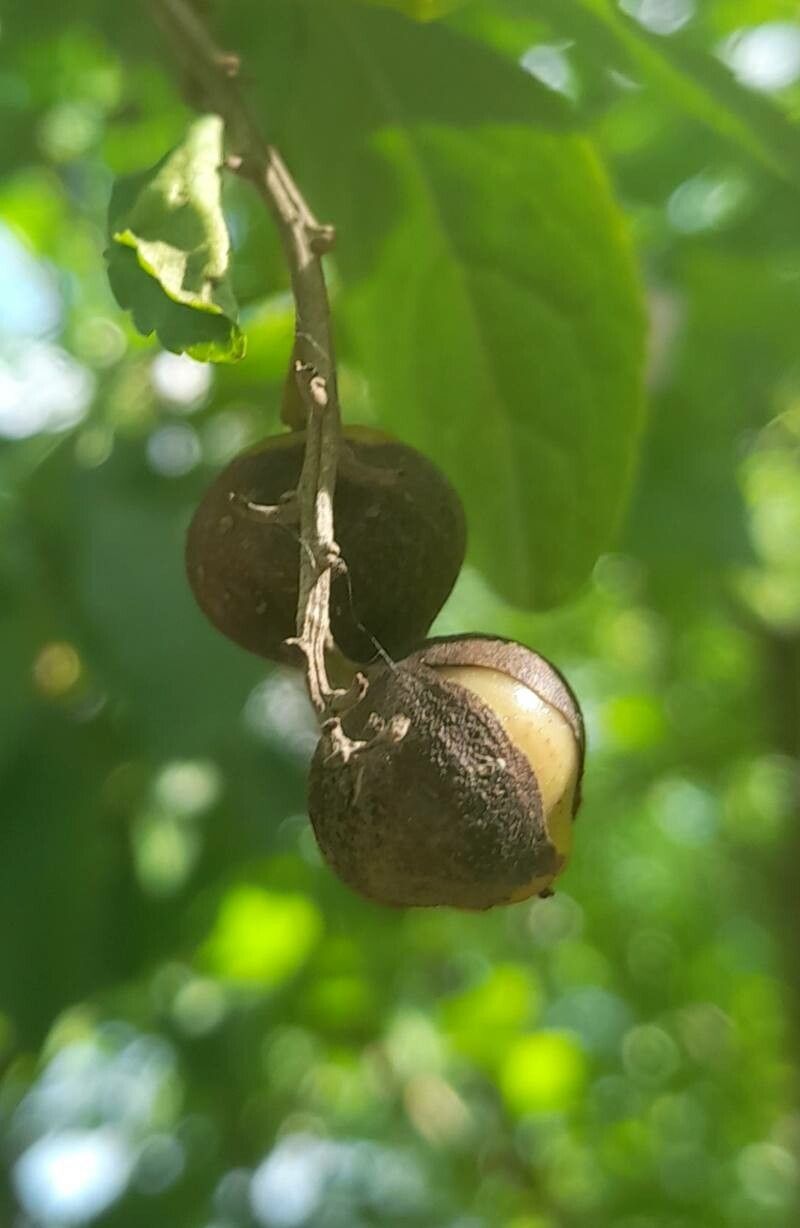
Oh, Duranta serratifolia! If you’re looking for a plant that brings a splash of vibrant color and a bit of tropical flair to your garden, you’ve found a winner. Its delicate, often blue or violet flowers are a delight, and the cascading habit makes it a beautiful specimen plant. And the best part? Propagating this beauty is a wonderfully rewarding experience. It’s not the absolute easiest plant for a complete beginner, but with a little care and attention, you’ll be well on your way to green-thumb success.
The Best Time to Start
For Duranta serratifolia, spring and early summer are your golden windows of opportunity. This is when the plant is actively growing and has plenty of energy to put into developing new roots. You’ll want to take cuttings from healthy, non-flowering stems – think of it as capturing that youthful vigor!
Supplies You’ll Need
Gathering your tools beforehand makes the whole process much smoother. Here’s what I always have on hand:
- Sharp Pruning Shears or a Craft Knife: Clean cuts are vital to prevent disease.
- Rooting Hormone: This isn’t strictly essential for Duranta, but it can certainly give your cuttings a helpful boost.
- A Well-Draining Potting Mix: I like a blend of perlite, peat moss, and a bit of compost. You can also use a commercial propagation mix.
- Small Pots or Trays: Clean ones are a must!
- Plastic Bags or a Clear Plastic Dome: To create a humid environment.
- Water: For hydrating your cuttings.
- Gloves (Optional): Some people prefer to wear them.
Propagation Methods
Let’s get our hands dirty! Stem cuttings are my go-to method for Duranta serratifolia.
Propagation by Stem Cuttings:
- Take Your Cuttings: In late spring or early summer, select healthy, semi-hardwood stems. These are stems that have grown this season but are starting to firm up – not the brand-new, floppy growth, nor the old, woody branches. Aim for cuttings that are about 4-6 inches long.
- Prepare the Cuttings: Using your sharp shears, make a clean cut just below a leaf node (where a leaf attaches to the stem). Remove the lower leaves, leaving just a couple at the top. This prevents them from rotting in the soil.
- Apply Rooting Hormone (Optional but Recommended): Dip the cut end of the stem into your rooting hormone powder or gel. Tap off any excess.
- Plant the Cuttings: Fill your clean pots with your potting mix. Make a small hole with your finger or a pencil and insert the cut end of the Duranta cutting. Gently firm the soil around it.
- Water Gently: Water thoroughly but avoid waterlogging the soil. You want it to be moist, not soaked.
- Create Humidity: Cover the pot with a clear plastic bag, making sure the leaves don’t touch the sides. A clear plastic dome works wonderfully too. This mini-greenhouse will keep the humidity high, which is crucial for cuttings to root.
- Place in Bright, Indirect Light: Find a spot that gets plenty of bright light but no direct, harsh sunlight, which can scorch your precious cuttings. Keep them warm!
The “Secret Sauce” (Pro Tips)
Here are a few things I’ve learned over the years that really make a difference:
- Don’t let the leaves touch the water: If you’re doing water propagation (which you can also try with Duranta, but cuttings are more reliable for me), ensure the leaves are well above the water line. Rot is a quick killer of water-propagated plants.
- Bottom heat is your friend: If you have a seedling heat mat, placing your pots on it can significantly speed up root formation, especially if your home is a bit on the cool side. It mimics the warmth of the soil in summer.
- Patience is truly a virtue: Duranta can sometimes be a slow starter when it comes to rooting. Don’t give up too soon! Give it at least 4-6 weeks before you start to get concerned.
Aftercare & Troubleshooting
Once you see new growth emerging, that’s a great sign your cuttings are rooting!
When you gently tug on a cutting and feel resistance, it’s a good indication roots have formed. You can also carefully lift a cutting to check the base for root development.
Once they’re well-rooted, you can begin to acclimate them to drier air by gradually removing the plastic cover over a week or so. Then, it’s time to pot them up into slightly larger pots with their own well-draining potting mix.
The most common problem you’ll encounter is rot. This usually happens due to overwatering or poor air circulation. If a cutting turns black and mushy, it’s unfortunately a goner. Pull it out to prevent infecting others. Keep an eye out for wilting, which can be a sign of stress or lack of water, but after rooting, often indicates they haven’t quite established their roots yet.
A Encouraging Closing
Propagating Duranta serratifolia is a journey worth taking. It’s a chance to connect with your plants on a deeper level and to multiply the beauty you enjoy. Remember to be patient with yourself and your cuttings. Every gardener has had failures – it’s all part of the learning process. So go on, give it a try, and enjoy the magic of creating new life!
Resource:
https://identify.plantnet.org/k-world-flora/species/Duranta%20serratifolia%20(Griseb.)%20Kuntze/data