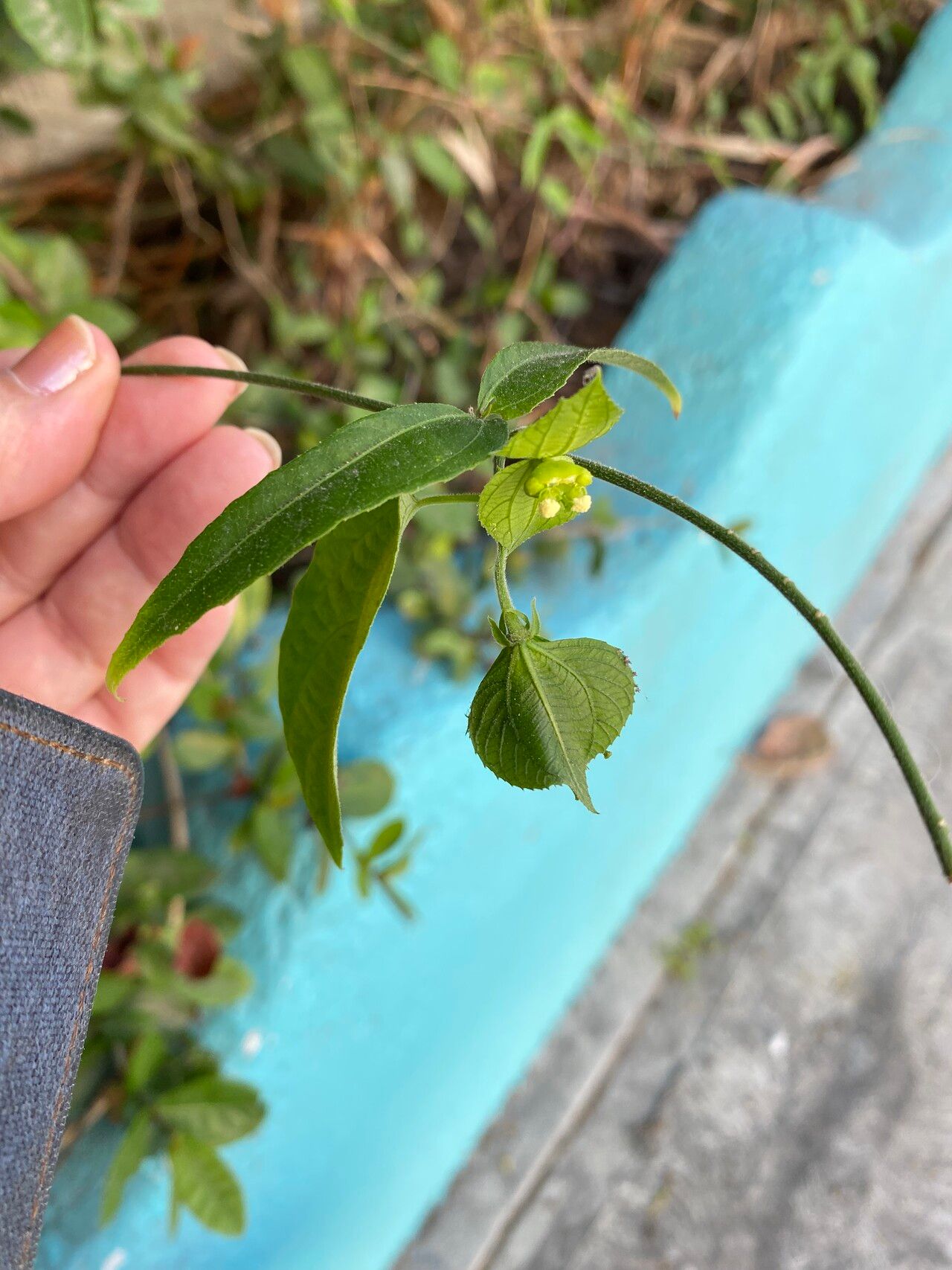
Oh, hello there! Pull up a chair, let’s chat about one of my absolute favorite vining wonders: the Dalechampia scandens, or as many of us affectionately call it, the Flowering Locket Vine. If you’ve ever seen this beauty cascading over a trellis, its heart-shaped bracts shimmering in shades of yellow and pink, you know the magic it brings to a garden. And guess what? Bringing that magic into your own garden, or sharing it with friends, is wonderfully attainable through propagation. It’s truly one of the most rewarding journeys a gardener can embark on. For those just dipping their toes into the world of plant propagation, I’d say Dalechampia holds a lovely middle ground – not impossibly tricky, but it does appreciate a little thoughtful attention.
The Best Time to Start
My golden rule for propagating Dalechampia is to strike when the iron, or rather, the vine, is actively growing. This usually means late spring through summer. You’re looking for stems that are sturdy but not woody. Think of a healthy, vigorous shoot that’s just put on a good flush of growth. This is when the plant has the most energy to put into rooting and developing new life. Trying to propagate from dormant or stressed material is just setting yourself up for disappointment, and we don’t want that!
Supplies You’ll Need
To set yourself up for success, gather these essentials:
- Rooting Hormone: A good quality rooting hormone powder or gel is your best friend here. It significantly increases the chances of your cuttings developing roots.
- Sharp Pruning Shears or a Craft Knife: Clean cuts are crucial. Make sure your tools are sterilized to prevent disease.
- Small Pots or Seedling Trays: About 4-inch pots are usually perfect for individual cuttings.
- Well-Draining Potting Mix: I prefer a blend of equal parts perlite and peat moss or coco coir. Some growers like to add a bit of coarse sand too. The key is good aeration to prevent rot.
- Plastic Bags or Clear Domes: These create a humid microclimate, which is vital for cuttings to stay hydrated until they develop roots.
- Watering Can or Mister: For gentle watering.
- Optional: Heat Mat: This can really speed up the rooting process, but it’s not always strictly necessary.
Propagation Methods
Dalechampia is quite amenable to a few different propagation techniques. Here are the ones I rely on most:
Stem Cuttings: My Go-To
This is by far the most successful method for me.
- Take Cuttings: From your healthy, actively growing Dalechampia, select stems that are about 4-6 inches long. Make a clean cut just below a leaf node (where a leaf attaches to the stem). Remove the lower leaves from the cutting, leaving just two or three at the top.
- Apply Rooting Hormone: Dip the cut end of each stem into your rooting hormone, tapping off any excess.
- Plant the Cuttings: Fill your small pots with your pre-moistened potting mix. Make a hole in the center of the soil with your finger or a pencil. Insert the cutting into the hole, ensuring the hormone-coated end is in firm contact with the soil. Gently firm the soil around the stem.
- Create Humidity: Water the soil lightly. Then, cover the pot with a clear plastic bag, securing it around the rim with a rubber band, or place a clear dome over the pot. This seals in moisture.
- Provide Light and Warmth: Place the pots in a bright location, but out of direct sunlight. A warm spot is ideal. If you have a heat mat, place the pots on it.
Water Propagation: A Visible Approach
While I find stem cuttings in soil more reliable for Dalechampia, water propagation can be a fun way to watch the roots form.
- Prepare Cuttings: Similar to the stem cutting method, take 4-6 inch cuttings from healthy growth, making the cut just below a leaf node. Remove the lower leaves.
- Place in Water: Fill a clean jar or glass with fresh water. Place the cuttings in the water, ensuring no leaves are submerged below the water line. The nodes themselves should be submerged.
- Location and Water Changes: Place the container in a bright, indirect light location. Change the water every 2-3 days to keep it fresh and prevent bacterial growth.
- Watch for Roots: You should start to see tiny root nubs emerge from the nodes in a few weeks. Once the roots are about an inch long, you can carefully transplant them into pots of potting mix, treating them like young seedlings.
The “Secret Sauce” (Pro Tips)
Here are a few tricks I’ve learned over the years that can really make a difference:
- Don’t Be Afraid to “Wiggie” Your Cuttings: Sometimes, a little gentle rubbing of the lower stem with sandpaper (very lightly!) before applying rooting hormone can help the plant initiate rooting. It creates microscopic wounds that can encourage root formation.
- Bottom Heat is Your Friend: As I mentioned, a heat mat can work wonders. It helps keep the soil temperature consistently warm, which is a huge motivator for the plant to send out roots. Aim for a soil temperature in the low to mid-70s Fahrenheit.
- Patience with the “Fuzzy Stuff”: When you see tiny white specks forming at the base of your cuttings in soil, that’s the start of roots! Don’t be tempted to pull them out and check their progress too early. Wait until you either see new leaf growth or gently tug the cutting and feel resistance.
Aftercare & Troubleshooting
Once your cuttings have developed a good root system (you’ll see roots coming out of the drainage holes, or the plant will feel firmly anchored), it’s time for a little extra care.
- Gradual Acclimation: If you’ve used plastic bags, slowly acclimate your new plants to normal humidity by opening the bag for a few hours each day over a week.
- Watering: Water your new plant when the top inch of soil feels dry. Avoid overwatering, as this is the quickest way to invite root rot, which is a common sign of failure. If your cutting looks wilted and mushy, and the stem is darkening or soft, it’s likely rot.
- Fertilizing: Wait until you see consistent, healthy new growth before you start fertilizing. Use a balanced liquid fertilizer diluted to half strength every few weeks.
- If They Don’t Root: Don’t despair! Sometimes it just takes another try. Ensure your cuttings were healthy, your rooting hormone was fresh, and your conditions are right.
A Little Patience Goes a Long Way
Propagating any plant is a lesson in patience and observation. There will be times when things don’t go exactly as planned, and that’s perfectly okay. Enjoy the process of nurturing these little bits of plant life. Watching a dormant cutting transform into a thriving, independent plant is one of gardening’s greatest joys. Happy propagating!
Resource:
https://identify.plantnet.org/k-world-flora/species/Dalechampia%20scandens%20L./data