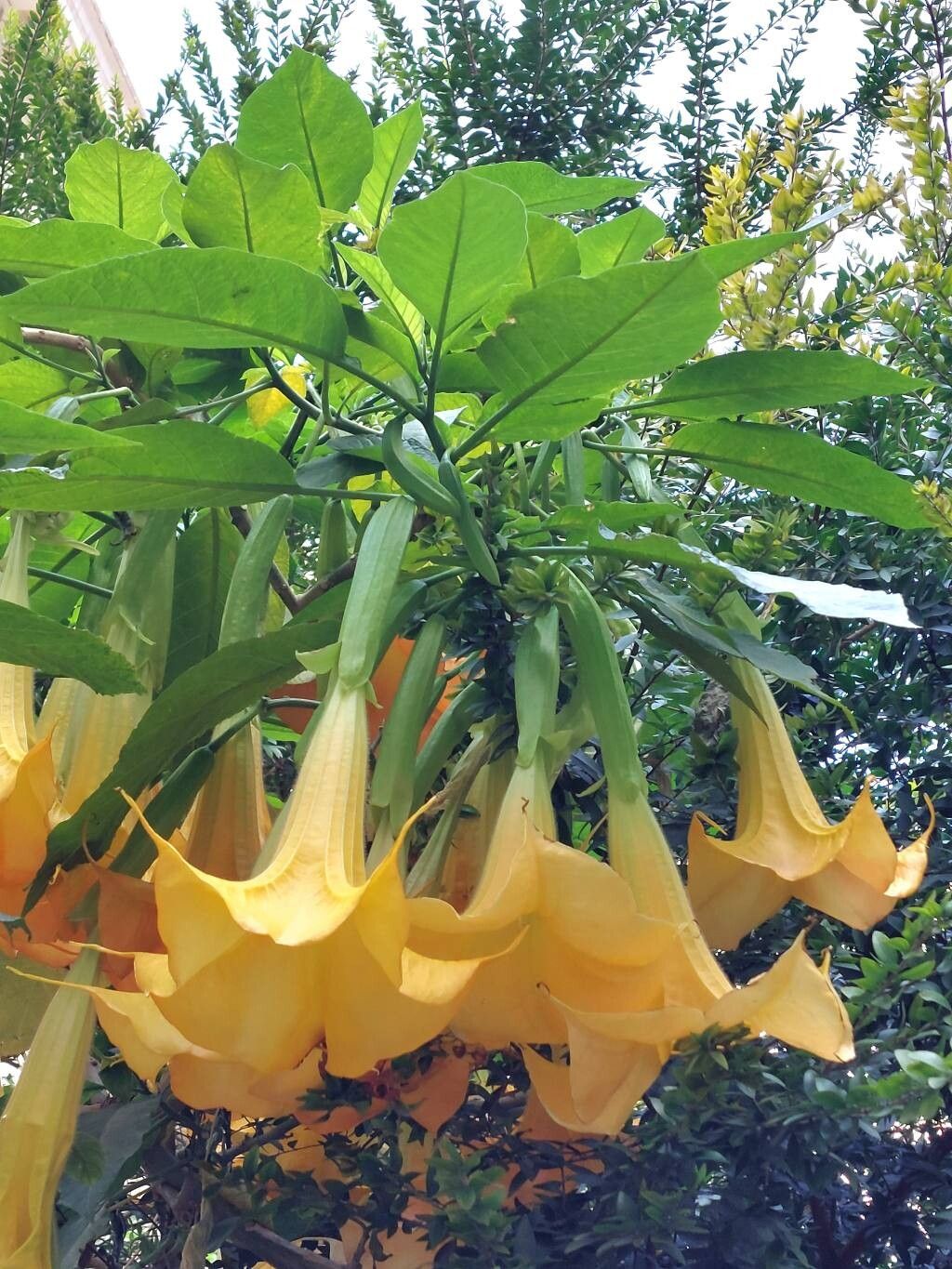
Oh, hello there! So, you’ve fallen under the spell of the Angel’s Trumpet, haven’t you? I don’t blame you one bit. Those magnificent, trumpet-shaped blooms that cascade with intoxicating fragrance are pure garden magic, especially on a warm evening. And the best part? You can create more of these beauties yourself! Propagating Brugmansia aurea, or our beloved Golden Angel’s Trumpet, is a truly rewarding endeavor. It’s a plant that, with a little guidance, is quite accessible for most gardeners, even those just starting out. Think of it as sharing a wonderful gift with yourself (and perhaps your friends!).
The Best Time to Start
For the highest success rate with Brugmansia, your best bet is to propagate from cuttings in late spring or early summer. This is when the plant is actively growing, so the stems have plenty of energy to put into rooting. You can also have success in early fall, but the growth will be slower, and you’ll need to be a bit more vigilant with protecting your new babies.
Supplies You’ll Need
Gathering your supplies beforehand makes the whole process much smoother. Here’s what I always have on hand:
- Sharp Pruning Shears or a Clean Knife: You want a clean cut to prevent disease.
- Rooting Hormone: This is a good idea, especially for beginners. It really gives those cuttings a boost. Look for one with IBA (Indole-3-butyric acid).
- Well-Draining Potting Mix: I like a blend of equal parts peat moss or coco coir, perlite, and a good quality potting soil. Some gardeners also use a special seedling mix.
- Small Pots or Trays: About 4-6 inch pots are perfect. Make sure they have drainage holes!
- Trowel or Spoon: For filling pots.
- Plastic Bag or Clear Dome: To create a humid environment.
- Watering Can with a Fine Rose: For gentle watering.
Propagation Methods
Let’s get our hands dirty! For Angel’s Trumpets, stem cuttings are hands-down the most common and effective method.
Stem Cuttings
- Select Your Cuttings: Look for healthy, semi-hardwood stems on your mature Brugmansia. These are typically about the thickness of a pencil and have started to firm up but are still a bit flexible. Avoid brand-new, soft growth or old, woody stems.
- Take the Cutting: Using your sharp pruning shears or knife, make a cut just below a leaf node (where a leaf attaches to the stem). Aim for cuttings that are about 6-8 inches long.
- Prepare the Cutting: Gently remove the lower leaves, leaving just a couple of sets at the top. This reduces water loss and prevents leaves from rotting in the soil. Some gardeners even like to cut the remaining leaves in half to further reduce transpiration.
- Apply Rooting Hormone: Dip the cut end of the stem into your rooting hormone powder or gel. Tap off any excess.
- Pot Them Up: Fill your pots with your prepared potting mix. Make a small hole in the center with your finger or a pencil. Then, carefully insert the cutting into the hole, ensuring the end is in contact with the soil. Gently firm the soil around the base.
- Water In: Water thoroughly but gently until you see water draining from the bottom of the pot.
- Create Humidity: Place a clear plastic bag over the pot, securing it with a rubber band around the rim (or use a propagation dome). This creates a mini-greenhouse. Make sure the plastic doesn’t touch the leaves too much. You can prop it up with a few stakes if needed.
- Find a Spot: Place your pots in a bright location, but out of direct sun. A warm spot is ideal.
The “Secret Sauce” (Pro Tips)
Now, shhh, here are a few tricks I’ve learned over the years that really make a difference:
- Don’t Let Leaves Touch the Water (if water propagating): If you decide to try water propagation (which can work for Brugmansia, but I find soil is more reliable), make absolutely sure the leaves are above the water line. Any submerged leaf will quickly rot and can take the whole cutting down with it.
- Bottom Heat is Your Friend: If you have the space and inclination, placing your pots on a gentle heat mat can significantly speed up root development. Brugmansia roots love warmth.
- Be Patient with Pruning: When taking cuttings, I often use stems that I would have pruned off anyway. It’s a fantastic way to get more plants without sacrificing the shape or health of your mother plant.
Aftercare & Troubleshooting
Once your cuttings are potted, keep the soil consistently moist but not waterlogged. Check the humidity dome daily, and open it up for a few minutes each day to allow for air circulation and prevent fungal issues.
You’ll know your cuttings are rooting when you see new leaf growth and, if you gently tug on the cutting, you feel some resistance. This can take anywhere from 3 to 8 weeks, so don’t despair if it takes time!
The most common issue you’ll face is rot. This usually happens if the soil is too wet for too long, or if there’s poor air circulation creating too much humidity. If you see a cutting turning black and mushy, unfortunately, it’s best to discard it and try again. Good drainage and occasional airing out are key to preventing this.
A Little Patience Goes a Long Way
Raising new plants is such a joy. It’s a process that demands a bit of patience, a dash of hope, and a whole lot of love. Watch those little cuttings, learn from them, and don’t be discouraged if not every one takes. Each success is a triumph, and soon you’ll have your own fragrant Angel’s Trumpets gracing your garden. Happy propagating!
Resource:
https://identify.plantnet.org/k-world-flora/species/Brugmansia%20aurea%20Lagerh./data