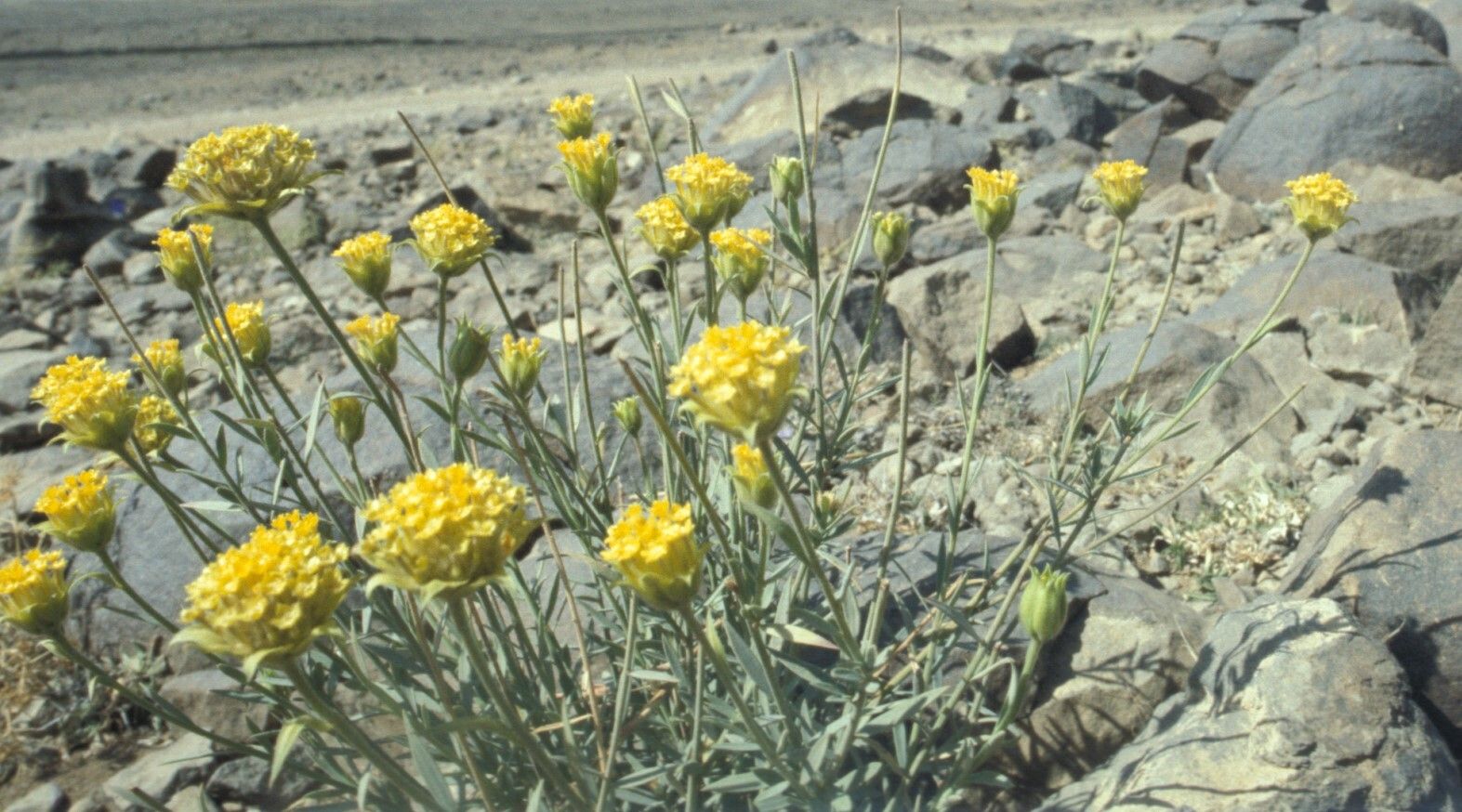
Oh, hello there! Come on in, grab a mug. It’s lovely to chat with you about a truly special plant, don’t you think? Today, we’re diving into the wonderful world of propagating Acamptopappus shockleyi, affectionately known as Shockley’s goldenhead.
Why Grow Shockley’s Goldenhead?
This little desert beauty is a real stunner. With its dainty, golden-yellow daisy-like flowers that bloom from late spring through summer, it brings a burst of sunshine to any arid garden or rockery. Its silvery-gray foliage is incredibly attractive, too, offering a subtle contrast to bolder greens. And the best part? Successfully propagating it is a wonderfully rewarding experience, giving you more of these charming plants for free! Now, for beginners, I’d say it’s moderately easy. It’s not quite as straightforward as a pothos, but with a little attention, you’ll be well on your way to success.
The Best Time to Start
For the highest chance of success with Acamptopappus shockleyi, aim to take cuttings when the plant is actively growing, but not stressed. Late spring to early summer is generally your sweet spot. You’ll want to be working with new, but slightly hardened-off, growth. Avoid taking cuttings during a heatwave or when the plant is flowering heavily.
Supplies You’ll Need
Gathering your tools beforehand makes the whole process smoother! Here’s what I always have on hand:
- Sharp, clean pruning shears or a sharp knife: A clean cut is crucial to prevent disease.
- Well-draining potting mix: I like a blend of equal parts perlite, coarse sand, and a good quality succulent or cactus potting mix. You can also add a bit of coco coir for moisture retention.
- Small pots or seed trays: Terracotta pots are great because they breathe.
- Rooting hormone (optional but recommended): A powdered hormone can give cuttings a nice boost.
- Watering can with a fine rose or a spray bottle: Gentle watering is key.
- Labels and a marker: To keep track of what you’ve propagated!
- A tray or saucer: For the pots to sit in.
Propagation Methods: Stem Cuttings
This is my go-to method for Acamptopappus shockleyi. It’s reliable and gives you the best results.
- Select Stems: Look for healthy, non-woody stems that are about 4-6 inches long. You want new growth that has started to firm up a bit – not the super soft, floppy tips, but also not woody old stems.
- Make the Cut: Using your clean pruning shears or knife, make a clean cut just below a leaf node (where a leaf attaches to the stem). This is where roots usually emerge.
- Prepare the Cutting: Gently remove any leaves from the lower half of the stem. This prevents them from rotting in the soil. If your cuttings are very long, you can sometimes cut them in half to make shorter cuttings, each with at least one leaf node.
- Apply Rooting Hormone (Optional): Dip the cut end of the stem into your rooting hormone powder, tapping off any excess.
- Plant the Cuttings: Fill your clean pots with your well-draining potting mix. Make a small hole with your finger or a pencil. Insert the cut end of the stem into the hole, ensuring the leaf nodes are buried. Gently firm the soil around the cutting.
- Water Gently: Water the soil lightly. You want it to be moist but not soggy. A good way to do this is to place the pots in a tray of water and let them soak from the bottom until the surface is damp. Then, remove them from the tray.
The “Secret Sauce” (Pro Tips)
Here are a few things I’ve learned over the years that can really make a difference:
- Bottom Heat is Your Friend: If you have a conservatory heater or a seedling heating mat, placing your pots on it can significantly speed up root development. The warmth encourages those root cells to get moving.
- Don’t Drown Your Cuttings: This is probably the most common mistake! While they need moisture, overwatering is the fastest way to invite rot. Let the soil dry out slightly between waterings. A good test is to poke your finger about an inch into the soil – if it feels dry, it’s time to water gently.
- Air Circulation Matters: Once you’ve planted your cuttings, avoid covering them tightly with plastic. This traps moisture and can lead to fungal issues. If you need to maintain humidity, try loosely tenting them with a clear plastic bag that has a few holes poked in it.
Aftercare & Troubleshooting
Once you’ve planted your cuttings, patience is your greatest virtue!
Caring for New Roots: You won’t see roots immediately. Keep your cuttings in bright, indirect light. Water them sparingly, only when the top inch of soil feels dry. After about 4-6 weeks, you can gently tug on a cutting. If you feel resistance, congratulations – you have roots! At this point, you can start treating them like a small, established Acamptopappus shockleyi.
Troubleshooting Common Issues: The most frequent problem is rot. If you see your cutting wilting, turning black and mushy at the base, it’s likely rotted. This is usually due to overwatering. If you catch it early, you might be able to salvage it by cutting away the rotted parts, letting the cutting callus over for a day or two, and then re-potting in fresh, dry mix. Lack of root development could be a sign that the conditions aren’t right (too cold, too dry, or the cutting wasn’t viable).
Keep Growing!
Propagating Acamptopappus shockleyi is such a satisfying endeavor. It might take a few tries to get it just right, and that’s perfectly okay. Don’t get discouraged! Celebrate every little success, and most importantly, enjoy the process of nurturing new life. Happy gardening!
Resource:
https://identify.plantnet.org/k-world-flora/species/Acamptopappus%20shockleyi%20A.Gray/data