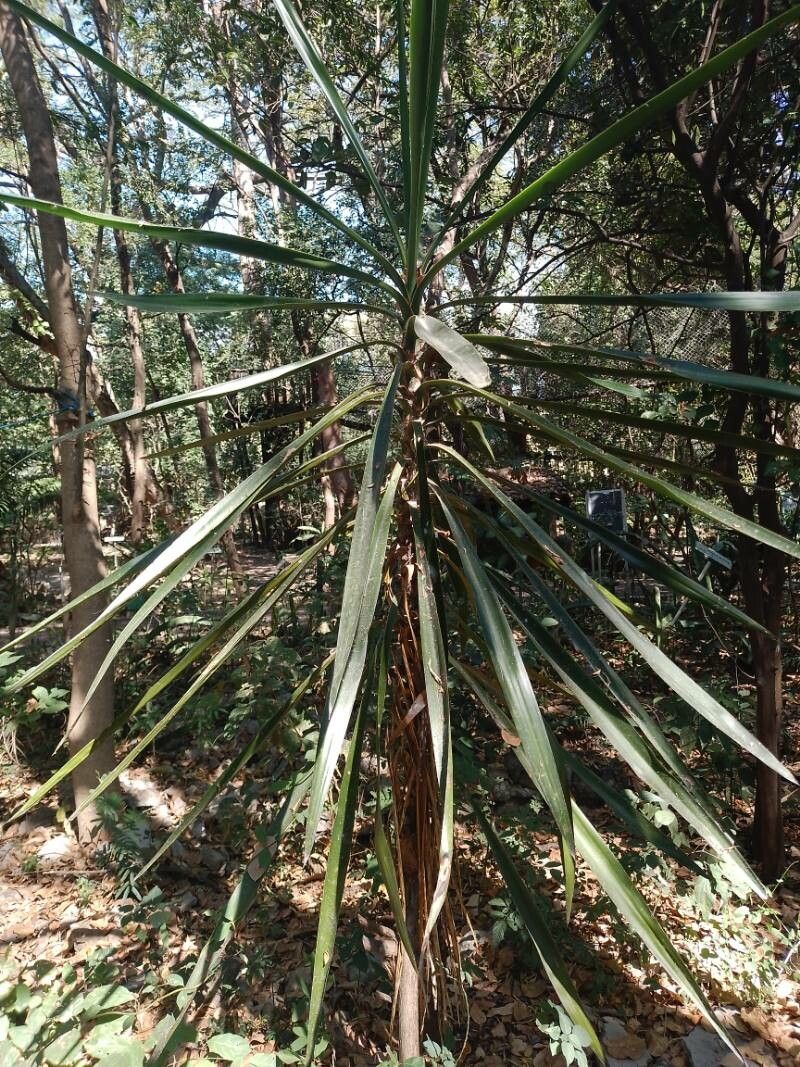
Hello fellow plant lovers! If you’re looking for a striking architectural beauty for your garden or patio, Yucca lacandonica might be just the ticket. With its dramatic, sword-like foliage and elegant stature, it truly makes a statement. And the best part? It’s surprisingly rewarding, and not as tricky to propagate as you might think, even for those just dipping their toes into the wonderful world of plant propagation.
The Best Time to Start
For Yucca lacandonica, the sweet spot for propagation is right around late spring to early summer. This is when the plant is actively growing and has plenty of energy to dedicate to forming new roots. Think of it as giving your new babies the best chance to thrive from the get-go!
Supplies You’ll Need
Before we get our hands dirty, let’s gather our tools:
- Sharp, clean pruning shears or a sturdy knife: Essential for making clean cuts.
- Rooting hormone powder (optional, but helpful): This can give your cuttings a nice boost.
- Well-draining potting mix: A cactus or succulent mix is perfect, or you can amend regular potting soil with perlite for better drainage.
- Pots or containers: Clean pots with drainage holes are a must.
- Watering can or spray bottle: For gentle watering.
- Gloves (optional): Yucca leaves can be sharp!
Propagation Methods
Yucca lacandonica is most commonly propagated from stem cuttings or by dividing offsets. Let’s dive into how we do it.
Stem Cuttings
This is my go-to method for Yucca lacandonica. It’s straightforward and usually yields great results.
- Select a healthy stem: Look for a mature stem that’s at least a few inches long and has a few sets of leaves.
- Make the cut: Using your sharp, clean shears, cut the stem cleanly from the main plant.
- Prepare the cutting: Remove any lower leaves from the bottom 2-3 inches of the stem. This exposes the nodes where roots will form.
- Apply rooting hormone (optional): If you’re using rooting hormone, dip the cut end into the powder, tapping off any excess.
- Let it callus: This is important! Place the cutting in a dry, shaded spot for 2-7 days. You want the cut end to dry out and form a protective callus. This prevents rot.
- Plant your cutting: Fill a pot with your well-draining mix. Make a small hole in the center and insert the callused end of the cutting. Firm the soil gently around the stem.
- Water lightly: Give it a gentle watering. You don’t want to soak it, just moisten the soil.
Division of Offsets
Yucca lacandonica often produces little baby plants, called offsets, around its base. These are usually connected by a thick rhizome.
- Gently unpot the parent plant: If your yucca is in a pot, carefully remove it. If it’s in the ground, dig around it gently.
- Locate the offsets: You’ll see smaller plants growing from the sides of the main stem.
- Separate the offsets: Using your knife or shears, carefully cut the offset away from the parent plant, making sure each offset has some roots attached. If there are no roots, don’t despair, it can still root from the stem.
- Pot them up: Plant each offset in its own small pot filled with well-draining soil.
- Water sparingly: Water lightly after planting.
The “Secret Sauce” (Pro Tips)
Here are a couple of tricks I’ve learned over the years that can make a big difference:
- Don’t rush the callusing step! Seriously, this is where many people go wrong. That dry, callused tip is your cutting’s best defense against rot. Give it time.
- Bottom heat is your friend. If you can, place your pots on a heating mat specifically designed for propagation. A gently warmed soil helps those roots form much faster. You can often find them online or at garden centers.
Aftercare & Troubleshooting
Once your cuttings are planted, patience is key!
- Keep the soil lightly moist, not soggy. Let the top inch of soil dry out between waterings.
- Provide bright, indirect light. Avoid intense, direct sun, which can scorch tender new growth.
- Look for signs of rooting: After a few weeks to a couple of months, you should see new leaf growth emerging, which indicates roots have formed. You can also gently tug on the cutting; if there’s resistance, it’s likely rooted.
- Watch out for rot: The most common problem is rot, which usually happens if the soil stays too wet. If you see the stem turning mushy and black, it’s a sign of rot, and sadly, that cutting may not be salvageable. If you catch it early, you might be able to cut away the rotted section and try to let the remaining part callus and rerpot.
A Little Patience Goes a Long Way
Propagating Yucca lacandonica is a wonderful way to fill your garden with these stunning plants or share them with friends. Don’t be discouraged if your first attempt isn’t perfect. Every cutting is a learning experience. Just remember the key steps – clean cuts, good drainage, and a little bit of patience – and you’ll be well on your way to success. Happy propagating!
Resource: