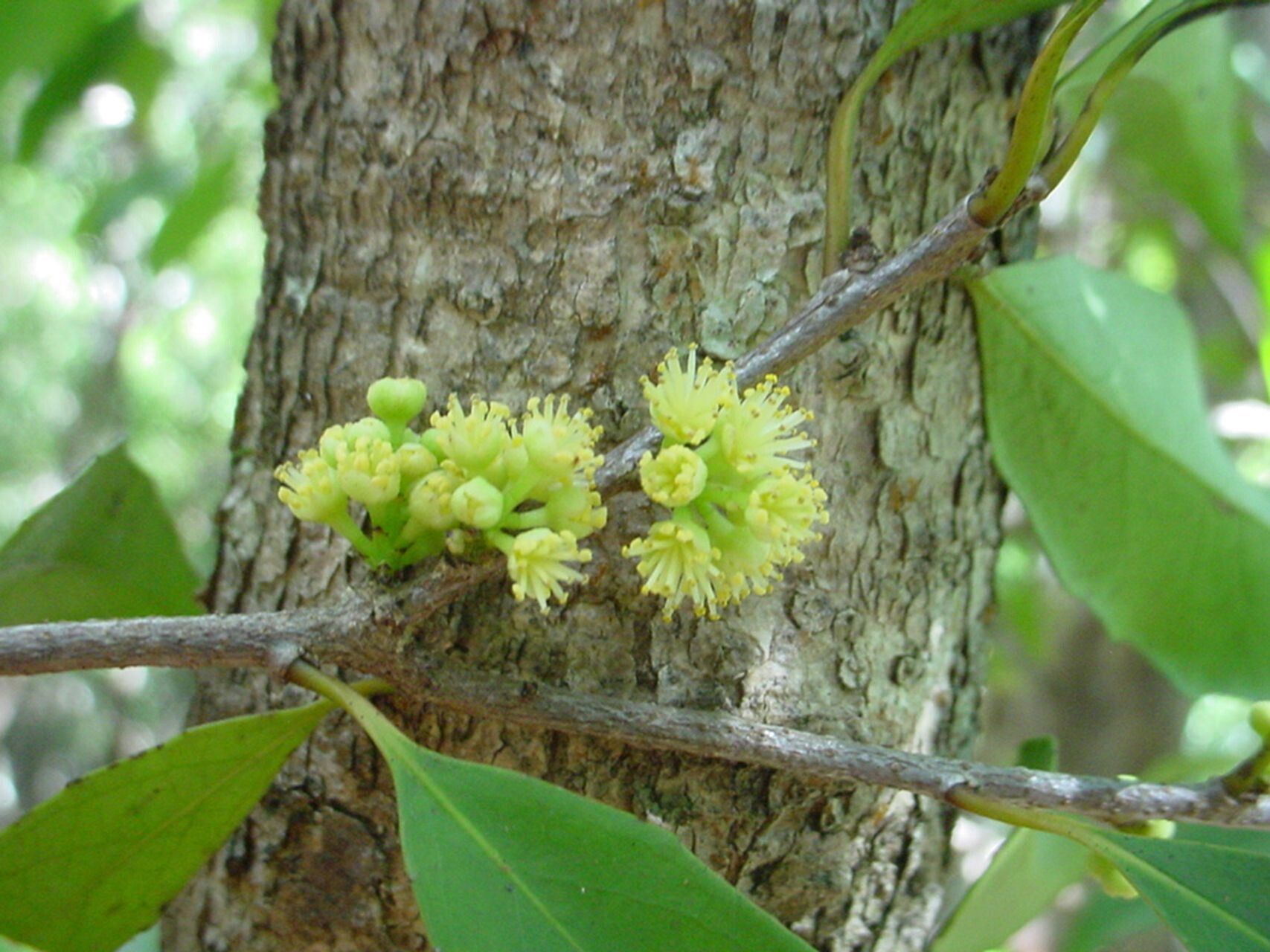
Hello, fellow plant enthusiasts! I’m so delighted you’re here, ready to dive into the wonderful world of propagation. Today, we’re going to talk about Xylosma grossecrenata. If you’re looking for a plant that offers glossy, evergreen foliage and a touch of architectural flair to your garden, you’re in for a treat. This tough little shrub is a fantastic addition, and the joy of creating more of them from your existing plants is truly something special.
Now, is it a walk in the park for beginners? I’d say it’s moderately easy. With a little tender loving care and a few key pointers, you’ll be well on your way to success. Let’s get our hands dirty!
The Best Time to Start
For Xylosma, I find that the best time to take cuttings is in late spring to early summer, just as the plant is entering its active growth phase. You’re looking for new, but not entirely soft, growth. Think of it as that perfect moment when the stem is still a little flexible but has developed some substance. Taking them too early means the stems are too soft and prone to rot, while waiting too late into the season might mean the cuttings don’t have enough time to establish before cooler weather arrives.
Supplies You’ll Need
Gathering your tools beforehand makes the process so much smoother:
- Sharp Pruning Shears or a Sharp Knife: Cleanliness is key to prevent disease.
- Rooting Hormone (Optional but Recommended): A powder or gel can significantly boost your success rate.
- Small Pots or Seedling Trays: With drainage holes, of course!
- Well-Draining Potting Mix: A good blend of peat moss, perlite, and a bit of compost works wonderfully. You can also find specialized “seed starting” or “cutting” mixes.
- Clear Plastic Bag or Humidifier Dome: To create a humid environment.
- Watering Can or Spray Bottle: For gentle watering.
- Labels and a Pen: Trust me, you won’t remember which plant is which once you have a dozen little cuttings!
Propagation Methods
The most reliable way to propagate Xylosma grossecrenata is through stem cuttings. Here’s how I do it:
- Select Your Cuttings: Choose healthy, vigorous stems from your mature plant. Look for shoots that are about 4-6 inches long and have at least two sets of leaves. Avoid flowering or fruiting stems.
- Make the Cut: Using your sharp shears or knife, make a clean cut just below a leaf node (where a leaf attaches to the stem). This is where most of the rooting hormones are concentrated.
- Prepare the Cuttings: Gently remove the leaves from the bottom half of the cutting. You want to bare the lower part of the stem. If the remaining leaves are very large, you can even cut them in half to reduce water loss through transpiration.
- Apply Rooting Hormone: Dip the cut end of the stem into your rooting hormone. Tap off any excess.
- Plant Your Cuttings: Fill your small pots with your prepared potting mix. Make a small hole with your finger or a pencil and insert the cutting. Gently firm the soil around the base.
- Water Gently: Water thoroughly to settle the soil, but be careful not to dislodge your cuttings.
- Create a Humid Environment: Cover each pot or the entire tray with a clear plastic bag, securing it with a rubber band, or place a humidifier dome over them. This is crucial for keeping the leaves from drying out before roots form.
The “Secret Sauce” (Pro Tips)
Here are a few little tricks I’ve picked up over the years that can make a real difference:
- Bottom Heat is Your Friend: If you can, place your pots on a heating mat. This gently warms the soil and encourages root development from below. It doesn’t need to be scorching hot, just a consistent, gentle warmth.
- Don’t Drown Them: While humidity is important, avoid letting water pool around the base of the cuttings. It’s a fast track to rot. If you see condensation dripping heavily inside the bag, open it up for a few hours to let things air out.
- Patience with the Patience: Sometimes, a cutting looks like it’s failed, but a tiny root is just starting. Resist the urge to tug on it to check for roots! Wait until you see healthy new growth emerging from the top before assuming it hasn’t worked.
Aftercare & Troubleshooting
Once you see new growth appearing on your cuttings (usually after 4-8 weeks, but it can take longer!), you can slowly start to acclimate them to lower humidity. Gradually lift the plastic bag for a few hours each day, then remove it entirely over a week or two. Keep the soil consistently moist, but not waterlogged.
The most common sign of failure is rotting, where the cutting turns black and mushy. This is usually due to too much moisture, poor drainage, or not enough air circulation. If you see this, unfortunately, it’s time to discard that cutting. Another sign is wilting and drying out, which typically means the environment wasn’t humid enough or the cutting didn’t establish roots quickly enough.
A Encouraging Closing
Propagating plants is a beautiful way to connect with nature and multiply your gardening joys. It takes a little practice, and not every single cutting will make it, but that’s all part of the learning process. Be patient with your Xylosma cuttings, give them a good environment, and celebrate every tiny new leaf that appears. Happy planting!
Resource: