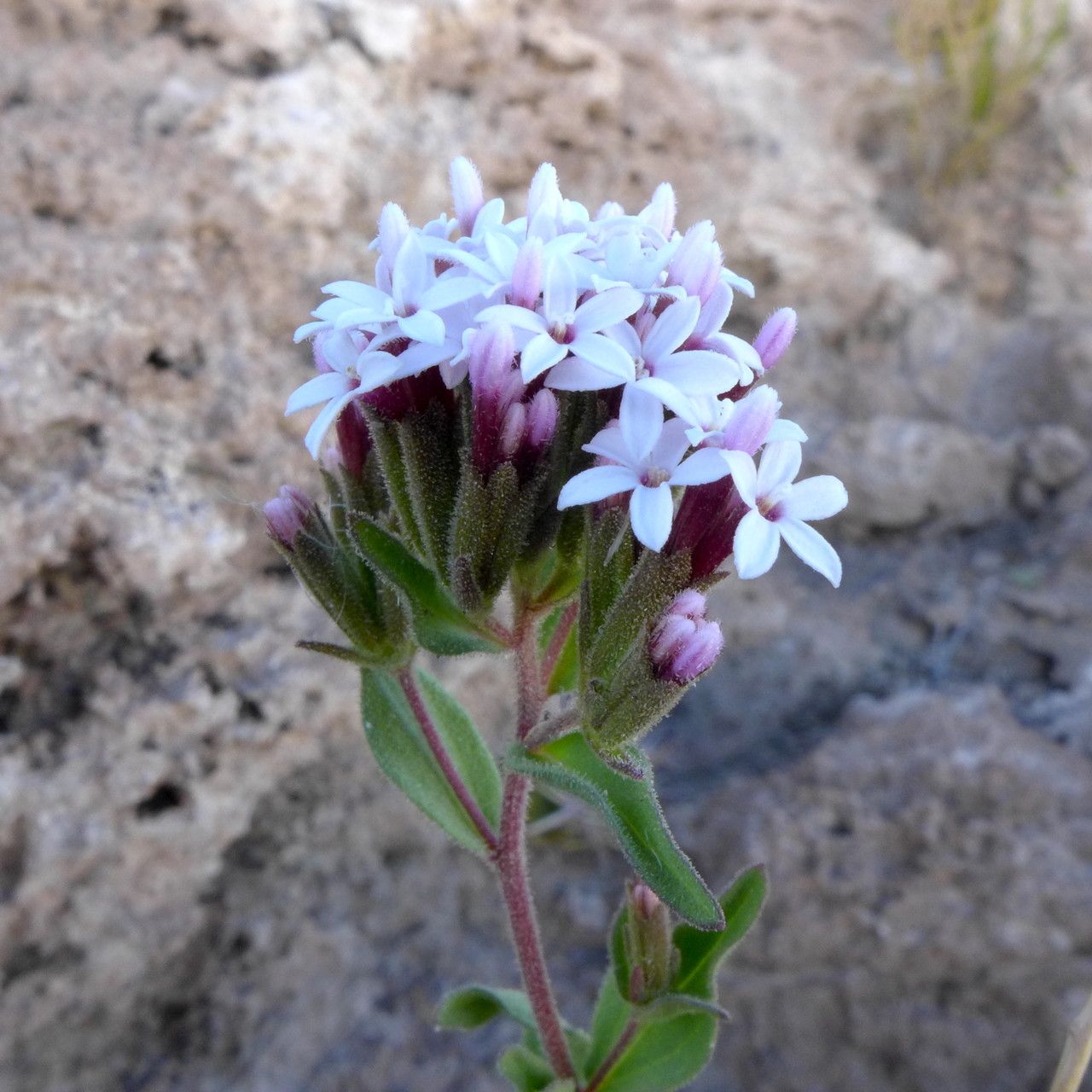
Hello fellow garden enthusiasts! I’m so excited to talk about a plant that brings a little sweet sunshine into many kitchens: Stevia chamaedrys. If you’re anything like me, you love having that natural sweetness on hand, and growing your own is incredibly satisfying. Plus, you get to share the joy with friends – imagine gifting them little pups of their own!
Now, about success: Stevia is relatively easy to propagate, even for those just starting out. It’s a forgiving plant, which is always a good sign in my book.
The Best Time to Start
For the freshest, most vigorous starts, I always aim for late spring through early summer. This is when Stevia is actively growing, so those cuttings will have plenty of energy to put into rooting. You can also take cuttings in late summer, but keep an eye on the weather; you want them to establish before any real chill sets in.
Supplies You’ll Need
Getting your workspace ready makes all the difference. Here’s what I keep handy:
- Clean, sharp pruning shears or a sharp knife: For making clean cuts.
- Small pots or seed trays: With drainage holes, of course!
- A light, well-draining potting mix: I often use a blend of half peat moss and half perlite, or a good quality seed-starting mix.
- Rooting hormone (optional but helpful): Especially if you’re a beginner or want to speed things up.
- A clear plastic bag or a mini greenhouse: To create a humid environment.
- Watering can with a fine rose: For gentle watering.
Propagation Methods
Stevia is a happy camper with a couple of different propagation methods. I’ll walk you through the ones I find most successful.
Stem Cuttings
This is my go-to method for Stevia. It’s simple and yields great results.
- Take your cuttings: Find a healthy, non-flowering stem on your mother plant. Using your sharp shears, make a clean cut just below a leaf node (where a leaf attaches to the stem). Aim for cuttings that are about 4-6 inches long.
- Prepare the cuttings: Gently remove the lower leaves from the cutting, leaving just a few at the very top. This prevents them from rotting when buried in the soil. If your cuttings are long, you can even cut the remaining top leaves in half to reduce water loss.
- Apply rooting hormone (if using): Dip the cut end of the stem into the rooting hormone powder, tapping off any excess.
- Plant your cuttings: Make a small hole in your potting mix with a pencil or your finger and gently insert the cut end of the Stevia cutting. Firm the soil gently around the stem to ensure good contact.
- Water and cover: Water the soil thoroughly but gently. Then, cover the pot with a clear plastic bag or place it in a mini greenhouse to maintain high humidity. Secure the bag with a rubber band around the pot.
Water Propagation
This is a wonderfully visual way to see your Stevia put out roots!
- Prepare the cuttings: Follow steps 1 and 2 above, taking cuttings and removing lower leaves.
- Place in water: Fill a small jar or glass with fresh, room-temperature water. Place the prepared cuttings into the water, making sure that no leaves are submerged. The leaf nodes are where the roots will emerge.
- Position and wait: Place the jar in a bright spot, but out of direct, harsh sunlight. Change the water every few days to keep it fresh and prevent any bacterial growth.
- Potting up: Once you see robust roots developing (usually within a few weeks), you can carefully transplant them into pots filled with your soil mix.
The “Secret Sauce” (Pro Tips)
Here are a few things I’ve learned over the years that can really boost your propagation success:
- Don’t let the leaves touch the water (for water propagation, obviously!): I cannot stress this enough. Any foliage submerged in water is an open invitation for rot. Clip those lower leaves off ruthlessly!
- Bottom heat is your friend: Stevia cuttings love a little warmth from beneath. If you have access to a heat mat, pop your pots on it. It really encourages those roots to get going. If not, a warm windowsill can often suffice.
- Air circulation is key: While we want to maintain humidity with covers, it’s important to give your cuttings a little fresh air every day. Open the plastic bag or greenhouse for about 15-30 minutes daily to prevent fungal issues.
Aftercare & Troubleshooting
Once you see new leaf growth appearing on your cuttings, that’s a fantastic sign that roots have formed!
- Gradually acclimate: If you used a plastic bag or greenhouse, slowly begin to wean your new plants off the high humidity. Gradually open the cover for longer periods over a week.
- Watering: Once rooted, water them thoroughly when the top inch of soil feels dry. Avoid letting them sit in soggy conditions, as this is a prime cause of root rot.
- Light: Continue to provide bright, indirect light. As they grow stronger, they can handle a bit more direct sun.
If you notice your cuttings turning yellow and wilting, or if the stems become mushy and black, it’s likely rot. This often happens if the soil is too wet, there’s poor air circulation, or the cuttings were taken from unhealthy parent material. Don’t be discouraged; just clean out the pot and try again with fresh cuttings and a drier soil mix.
Happy Growing!
Propagating Stevia is a truly rewarding endeavor. It’s a chance to connect with your plants on a deeper level, expand your garden for free, and share a little bit of that natural sweetness with others. Be patient, learn from each attempt, and enjoy the green miracle of new life. Happy gardening!
Resource:
https://identify.plantnet.org/k-world-flora/species/Stevia%20chamaedrys%20Griseb./data