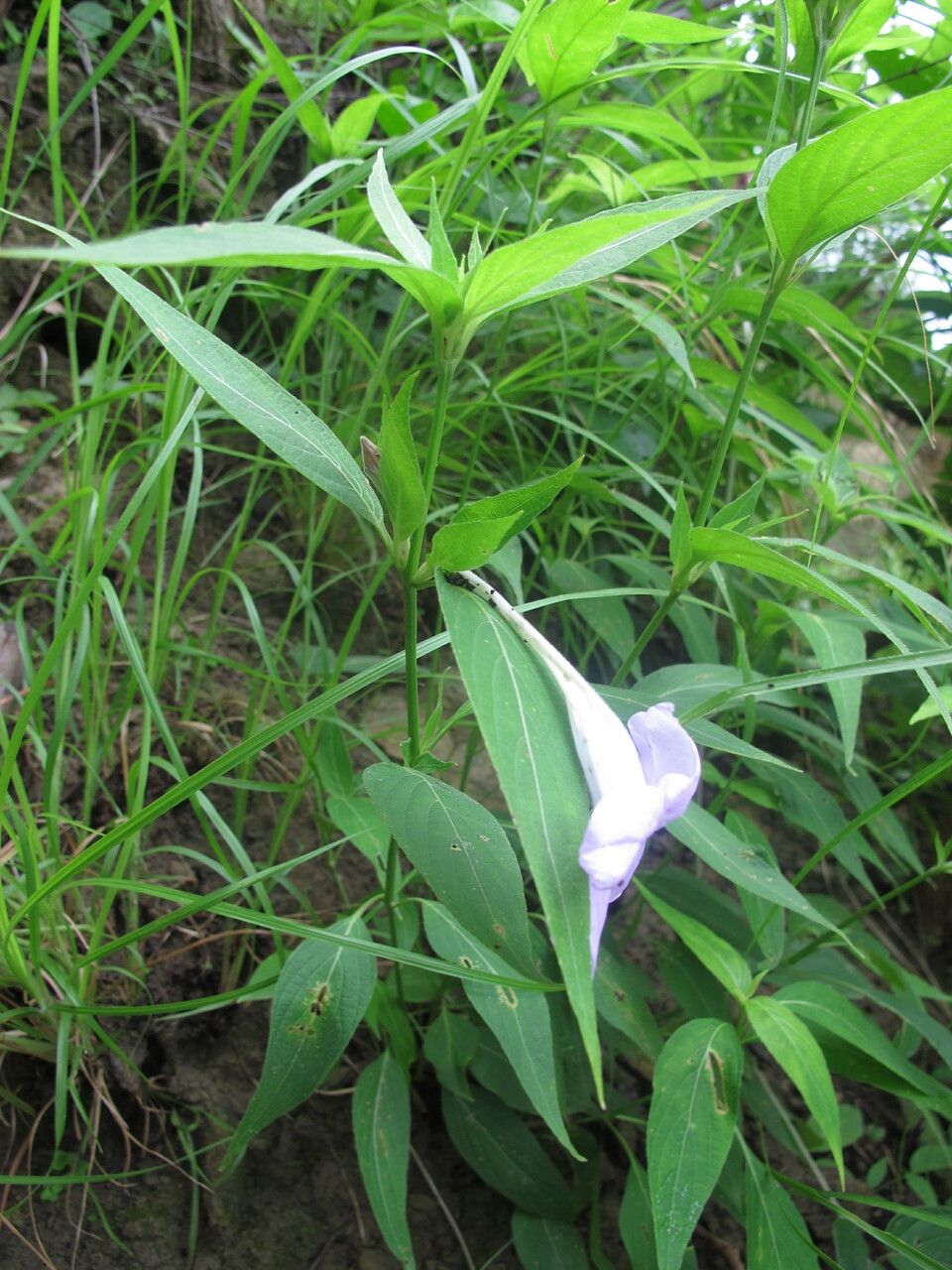
Oh, hello there! It’s so lovely to have you join me today. We’re going to talk about a plant that’s brought so much joy to my garden over the years: Ruellia beddomei. You might know it by other names, but for me, it’s always been that splash of vibrant color and the gentle sway of its lovely foliage. It’s truly a delight, and guess what? Propagating it is a fantastic way to spread that beauty around, whether it’s for your own garden borders or to share with fellow plant lovers. And the best part? Ruellia beddomei is a wonderfully rewarding plant to propagate, even for those just starting out. It’s quite forgiving, which is always a bonus!
The Best Time to Start
When it comes to getting those new Ruellia babies going, spring is your absolute best friend. As the days get longer and warmer, the plant is bursting with new growth. This vigorous energy translates beautifully into successful propagation. You can also have good luck in early summer, but once the intense heat of mid-summer hits, things can get a bit more challenging. So, aim for when the plant is really waking up and showing off its spring vigor.
Supplies You’ll Need
Before we dive in, let’s gather our tools. Having everything ready will make the process so much smoother.
- Sharp Pruning Shears or a Craft Knife: Clean cuts are key to helping the cutting heal.
- A Well-Draining Potting Mix: I like a mix of equal parts potting soil, perlite, and a little bit of coco coir. This ensures good aeration.
- Small Pots or Propagation Trays: Clean pots are a must to prevent diseases. Seedling pots or even recycled yogurt cups with drainage holes work perfectly.
- Rooting Hormone (Optional but Recommended): This isn’t strictly necessary for Ruellia, as they’re pretty eager to root, but it can certainly speed things up and increase your success rate.
- A Watering Can or Spray Bottle: For gentle watering.
- A Clear Plastic Bag or Dome: To create a humid environment.
Propagation Methods
There are a couple of wonderful ways to multiply your Ruellia beddomei. I find these two to be the most reliable and satisfying.
1. Stem Cuttings: The Classic Approach
This is my go-to method for Ruellia. It’s incredibly effective and you can get quite a few plants from a single parent.
- Select Your Cuttings: Look for healthy, non-flowering stems. You want pieces that are about 4-6 inches long. Make sure your cuts are just below a leaf node – that’s the little bump where a leaf emerges from the stem. This is where the magic happens for rooting.
- Prepare the Cuttings: Gently remove the lower leaves from your stem cuttings. This prevents them from rotting once you plant them. You can leave a couple of leaves at the top to help with photosynthesis.
- Apply Rooting Hormone (If Using): Dip the cut end of the stem into your rooting hormone powder. Tap off any excess.
- Plant the Cuttings: Moisten your well-draining potting mix. Make small holes in the soil with a pencil or your finger, and gently insert the cuttings. Ensure the leaf nodes you removed are below the soil surface.
- Create a Humid Environment: Water the soil gently until it’s moist but not waterlogged. Then, cover the pots loosely with a clear plastic bag, or place them under a propagation dome. This traps humidity, which is crucial for cuttings while they develop roots.
2. Water Propagation: The See-Through Success
If you’re someone who likes watching things grow, this method is for you! It’s incredibly satisfying to see those tiny roots emerge.
- Take Your Cuttings: Similar to the stem cutting method, select healthy, 4-6 inch stems with at least one leaf node. Remove the lower leaves.
- Place in Water: Fill a clean jar or glass with room-temperature water. Plop your prepared cuttings into the water. Make sure the leaf nodes are submerged, but absolutely do not let any leaves sit in the water. They will rot, and that’s not what we want!
- Find a Suitable Spot: Place the jar in a bright spot, but out of direct, harsh sunlight. A windowsill that gets filtered light is perfect.
- Change the Water Regularly: This is key! Change the water every few days to keep it fresh and prevent bacterial growth. You’ll start to see roots emerging within a couple of weeks. Once the roots are about an inch long, it’s time to transplant them into soil.
The “Secret Sauce” (Pro Tips)
Here are a few little tricks I’ve learned over the years that can make a big difference:
- Bottom Heat is Your Friend: While not strictly necessary for Ruellia, placing your potted cuttings on a gentle heat mat can significantly speed up root development. It mimics the warmth of spring soil and gives the roots a real boost.
- Don’t Overwater! It’s a common mistake, but more cuttings are lost to soggy soil than to dryness. The goal is consistently moist, not wet. If you’re touching the soil and it feels waterlogged, hold off on watering for a day or two.
- Sterilize Everything: Before you start, give your pots, tools, and even your hands a good wash with soap and water. This might seem like a small thing, but it’s a big step in preventing diseases from attacking your precious cuttings.
Aftercare & Troubleshooting
Once you see those little roots starting to form, give yourself a pat on the back!
- Transplanting: When your water-propagated cuttings have roots about an inch long, it’s time to move them into pots with your well-draining potting mix. If you’ve grown them directly in soil, you can gently tug on a cutting; if you feel resistance, it means roots have formed.
- Acclimating: When your cuttings have developed a good root system, you’ll want to gradually acclimate them to less humid conditions. If they’re under a plastic bag, start by opening it for a few hours a day, then remove it entirely.
- Ongoing Care: Treat your new Ruellia plants much like you would a mature one. Water them when the top inch of soil feels dry, and place them in a bright spot. They’ll be a bit fragile at first, so be gentle.
- Troubleshooting: The most common issue you’ll encounter is rot. If a cutting turns black or mushy, it’s usually a sign of too much moisture or a lack of air circulation. Sadly, these usually can’t be saved. Another sign of distress is wilting that doesn’t improve after watering – this can also point to root problems or a lack of humidity. Don’t get discouraged if you lose a few; it happens to the best of us! Just try again.
A Encouraging Closing
Watching a tiny slip of a stem transform into a thriving new plant is one of the most rewarding parts of gardening. Be patient with your Ruellia beddomei, enjoy the process, and celebrate each little success. Happy propagating!
Resource:
https://identify.plantnet.org/k-world-flora/species/Ruellia%20beddomei%20C.B.Clarke/data