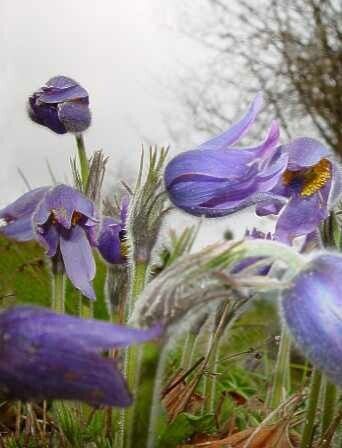
Oh, hello there! Come on in, grab a cuppa. Today, we’re talking about Pulsatilla grandis, or as many of us lovingly call them, Greater Pasqueflowers. Aren’t they just a dream? That fuzzy, bell-shaped bloom in the early spring, a beacon of hopeful green after a long winter. It’s like nature’s way of saying, “We’re coming back!” Propagating these beauties yourself is incredibly rewarding. You get to share them with friends, fill more of your garden, and really just bask in the satisfaction of nurturing new life. Now, are they a walk in the park for absolute beginners? I’d say they lean a tad towards needing a bit of gentle attention. Don’t be daunted, though – with a little know-how, you’ll be a Pasqueflower pro in no time!
The Best Time to Start
For Pulsatilla grandis, timing is everything. The absolute sweet spot for propagation is right after flowering. This is usually in late spring to early summer. You want to catch them when they’ve put on their main show but before they get too stressed by summer heat. If you’re looking at seed propagation, that’s best done immediately after harvesting mature seed heads, as they have a limited shelf life.
Supplies You’ll Need
Let’s get our workbench ready, shall we? Here’s what you’ll want to have on hand:
- Sharp, clean pruning shears or a razor blade: For making clean cuts. Sterilize them with rubbing alcohol before you begin!
- Seed Starting Mix: A light, well-draining mix is crucial. I often use a blend of 50% peat moss or coir and 50% perlite or coarse sand.
- Small Pots or Trays: With good drainage holes.
- Perlite or Coarse Sand: For improving drainage in your potting mix.
- Rooting Hormone (Optional, but helpful for cuttings): A powder or gel.
- Watering Can with a Fine Rose: To avoid disturbing your delicate seedlings or cuttings.
- Labels and a Waterproof Pen: Every gardener needs these! Don’t trust your memory unless you have a photographic one!
- A Sunny, Sheltered Spot: For your new propagations to grow.
Propagation Methods
We’ll focus on the two most reliable ways to multiply your Pulsatilla grandis.
1. From Seed – The Natural Way
This is often the most straightforward method, but it requires a bit of patience.
- Harvesting Seeds: Wait until the fuzzy seed heads have fully developed. The fluffy parachute-like structures will be mature. Carefully snip the entire seed head.
- Sowing: In late spring or early summer, sow the seeds immediately. Gently shake the seed heads over your prepared seed starting mix in pots or trays. You can also lightly rub them to release seeds and then scatter them. No need to bury them deeply; a light dusting of mix or vermiculite is all they need.
- Watering: Mist gently with your watering can. You want the soil to be consistently moist, but not waterlogged.
- Germination: This can be a bit of a waiting game. Some seeds might germinate in a few weeks, while others can take months. They often appreciate a period of cold stratification – if you’re sowing in late summer, the winter chills will do the job naturally.
- Transplanting: Once your seedlings have a few sets of true leaves and are sturdy enough to handle, you can gently transplant them into individual pots. Be very careful with their delicate roots.
2. Division – For Established Plants
If you have a mature, well-established Pulsatilla grandis plant, division is a wonderful way to get more.
- Timing is Key: Again, the best time is right after flowering. The plant is coming out of its intense bloom phase and isn’t yet facing summer stress.
- Excavation: Gently dig around the plant. You’ll want to dig in a bit wider than the foliage to avoid damaging the root ball. Carefully lift the entire plant from the soil.
- Separation: Gently shake off excess soil. You’ll see where the root ball naturally wants to divide. If it’s a larger clump, you might need to use a clean, sharp trowel or even a knife to carefully split the root ball into smaller sections. Each section should have some healthy roots and a few shoots.
- Replanting: Immediately replant these divisions into their new spots in the garden or into pots with fresh, well-draining soil. Water them in well.
The “Secret Sauce” (Pro Tips)
I’ve found a few things that really make a difference with these lovely plants.
- Don’t Overwater Seeds: This is the most common killer of seedlings, especially fuzzy ones like Pasqueflowers. They need consistent moisture, yes, but never soggy feet. If your mix looks damp on top, leave it be for a bit.
- Embrace the Chill (for Seeds): If you’re sowing seeds in early spring and are concerned about germination, try a short stint in the fridge. Put your sown seeds in a plastic bag (slightly open for air circulation) and pop them in the fridge for a few weeks before bringing them out into warmth. This mimics winter stratification.
- Handle Roots with Reverence: Pasqueflowers have a taproot, and they really don’t appreciate having it disturbed too much. When transplanting seedlings or divisions, do it gently and swiftly. Minimize the time the roots are exposed to air.
Aftercare & Troubleshooting
Once your little Pasqueflower babies start to establish, you want to give them the best start.
- Watering: Keep the soil consistently moist but not waterlogged. As they grow stronger, you can gradually let the soil dry out a little more between waterings, but never let them completely desiccate.
- Light: They appreciate bright, indirect light when they are very young. Once they are a bit larger and have developed more leaves, they can handle more direct sun, but again, avoid intense midday sun for extremely young plants during hot periods.
- Rot: The most common villain is fungal rot, often caused by overwatering and poor drainage. If you see seedlings wilting, turning mushy at the base, or developing black spots, it’s usually a sign of too much moisture. Improve drainage, ensure good air circulation, and ease up on the watering.
- Slow Growth: Don’t be alarmed if they seem to grow at a snail’s pace. Patience is a gardener’s virtue, and it’s certainly true here!
A Encouraging Closing
So there you have it! Propagating Pulsatilla grandis is a journey of nurturing and observation. Don’t get discouraged if your first attempt isn’t perfect. Every seed is a hope, and every division is a chance to share a bit of garden magic. Enjoy the process, watch them sprout and grow, and soon you’ll have a whole patch of these delightful early spring wonders. Happy gardening!
Resource:
https://identify.plantnet.org/k-world-flora/species/Pulsatilla%20grandis%20Wender./data