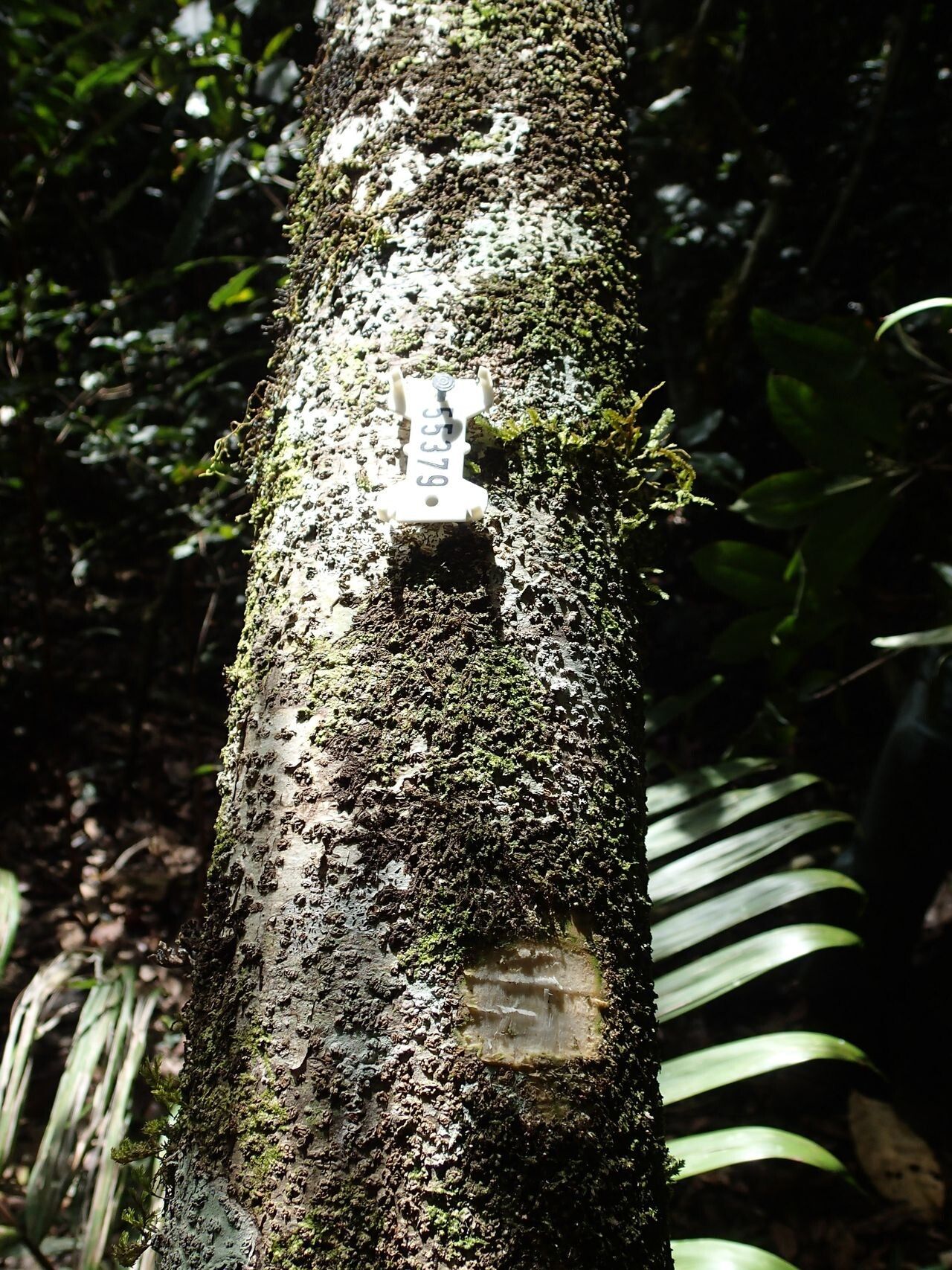
Hello, fellow plant enthusiasts! Today, we’re diving into the wonderful world of propagating Pittosporum mackeei. If you’re looking for a lovely evergreen with glossy, dark green leaves and a subtle, sweet fragrance that blooms in spring, you’ve found a winner. And the best part? You can easily multiply this beauty for your own garden or to share with friends. Propagating your own plants is incredibly rewarding; it’s like unlocking a little bit of nature’s magic. For beginner gardeners, I’d say Pittosporum mackeei is moderately easy to propagate, especially from cuttings. With a little patience and the right approach, you’ll be well on your way!
The Best Time to Start
When it comes to our Pittosporum mackeei, timing is key for the best results. The ideal moment to take cuttings is during the late spring or early summer. This is when the plant is actively growing, but not too woody. You want to look for stems that are currently growing but have started to firm up a bit – not the brand new, floppy soft tips, and not the old, hard, woody branches. These semi-hardwood cuttings give you the best of both worlds: enough flexibility to root and enough maturity to be robust.
Supplies You’ll Need
Gathering your tools before you start makes the whole process smoother. Here’s what I always have on hand:
- Sharp pruning shears or a clean knife: For making clean cuts.
- Rooting hormone (powder or gel): This can give your cuttings a significant boost. It’s like an energy drink for roots!
- Potting mix: A well-draining mix is crucial. I often use a blend of equal parts peat moss or coco coir and perlite or coarse sand. You can also buy specific seed-starting or propagation mixes.
- Small pots or seed trays: Clean pots are important to prevent disease.
- Plastic bags or a propagation propagator: To create a humid environment.
- Spray bottle: For misting.
- Labels and a permanent marker: To keep track of what you’ve planted and when.
Propagation Methods
Let’s get our hands dirty with the most reliable method for Pittosporum mackeei: stem cuttings.
-
Select Your Cuttings: Head out to your healthy Pittosporum mackeei. Look for those semi-hardwood stems I mentioned, about 4-6 inches long. Make a clean cut just below a leaf node (where a leaf attaches to the stem). Remove the lower leaves, leaving just a few at the top. This prevents them from rotting in the soil. If you’re taking multiple cuttings, try to keep them all roughly the same length.
-
Prepare the Cuttings: Dip the cut end of each cutting into rooting hormone. Gently tap off any excess. Don’t be shy with the hormone; it’s there to help!
-
Plant Your Cuttings: Fill your clean pots or trays with your prepared potting mix. Make a hole with your finger or a pencil in the center of the soil. Insert the cut end of the cutting into the hole, ensuring the rooting hormone is covered. Firm the soil gently around the base of the cutting. You can usually fit several cuttings into one pot, as long as they aren’t touching each other.
-
Create Humidity: This is a big one! The cuttings need a humid environment to prevent them from drying out before they can form roots. You can either cover the pot loosely with a clear plastic bag (making sure the leaves don’t touch the plastic, which can cause rot) or place them in a propagation propagator. If you’re using a bag, you might need to prop it up with sticks or skewers.
-
Water Them In: Gently water the soil until it’s moist but not waterlogged. A spray bottle works well for this initial watering to avoid disturbing the cuttings.
The “Secret Sauce” (Pro Tips)
After 20 years in the garden, you pick up a few tricks! Here are a couple of things that have really made a difference for me:
- Bottom Heat is Your Friend: If you have it, place your pots on a heat mat designed for propagation. This gently warms the soil and encourages root development from below, which is often the secret to getting those stubborn cuttings to take. It’s like a cozy foot bath for your baby plants!
- Timing the Mist: While you want humidity, don’t drown your cuttings. Mist your cuttings lightly every few days, especially if you see the soil starting to dry out or the leaves looking a bit sad. Early morning is generally best so the leaves have time to dry before evening.
Aftercare & Troubleshooting
Once your cuttings have rooted (this can take anywhere from 4-8 weeks, sometimes longer), you’ll start to see new growth appearing at the top. You can gently tug on a cutting; if there’s resistance, you’ve likely got roots!
Care for your new plants as you would a young seedling. Keep them in a bright, indirect light location. Continue to keep the soil consistently moist but not soggy. Once they have several sets of new leaves and seem established, you can begin to gradually acclimatize them to lower humidity and eventually transplant them into individual pots with a standard potting mix.
The most common sign of failure is rot. If your cuttings turn black and mushy, or if the leaves simply shrivel up and die without any sign of rooting, something went wrong. This is often due to too much moisture, poor air circulation, or not using cuttings with enough vigor to begin with. Don’t get discouraged if some don’t make it; it happens to the best of us! Just clean your pots, sterilize your tools, and try again.
A Encouraging Closing
So there you have it – your guide to propagating Pittosporum mackeei. Remember, gardening is a journey, and propagation is a fantastic part of that adventure. Be patient, enjoy the process of nurturing these little bits of life, and celebrate every tiny success. Happy planting!
Resource:
https://identify.plantnet.org/k-world-flora/species/Pittosporum%20mackeei%20Tirel%20&%20Veillon/data