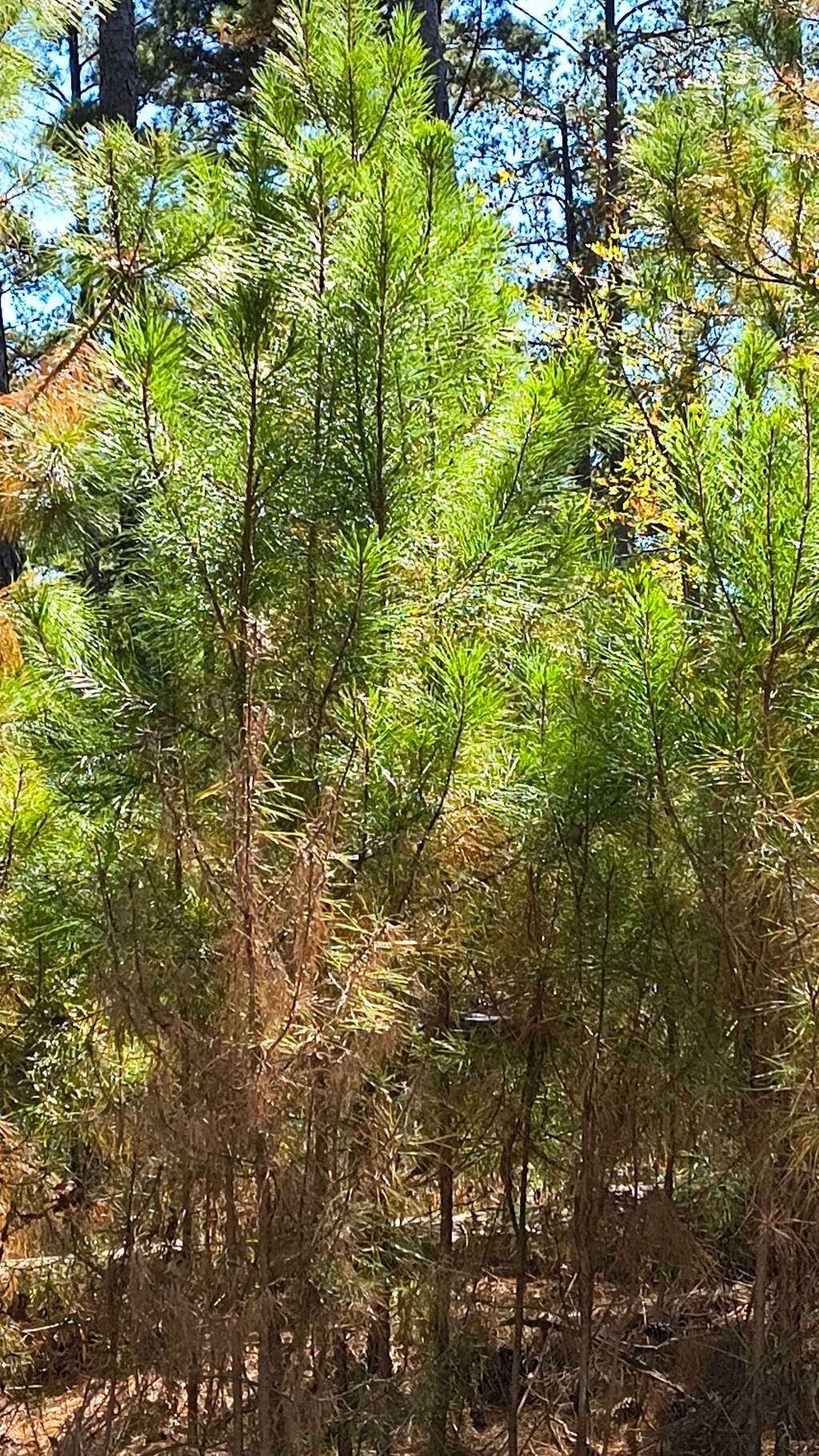
Ah, the charm of a Sand Pine, or Pinus clausa! I’ve always been drawn to their resilient spirit and their often wonderfully sculptural forms. They bring that wild, coastal Florida vibe right into your garden, and honestly, there’s a special kind of satisfaction in coaxing a new plant to life from a piece of an old one. While some conifers can be a bit finicky, I find Pinus clausa to be surprisingly obliging, especially if you get the timing right. It’s a lovely project for anyone looking to expand their conifer collection without too much stress.
The Best Time to Start
For Pinus clausa, the sweet spot for propagation is generally when the plant is actively growing, but not stressed. I’ve had the best luck with semi-hardwood cuttings taken in late spring or early summer. This is when the new growth is starting to firm up – it’s not brand-new and leafy, but not yet fully woody either. This stage gives the cuttings the best chance of success.
Supplies You’ll Need
Here’s what I always have on hand when I’m getting ready to take cuttings:
- Sharp pruning shears or a very sharp knife: Clean cuts are crucial for preventing disease.
- Rooting hormone: A powder or gel specifically designed for woody cuttings. Just a little goes a long way.
- Well-draining potting mix: I like a blend of coarse sand, perlite, and a bit of peat moss. Think gritty, not soggy.
- Small pots or propagation trays: Make sure they have drainage holes.
- Plastic bags or a clear propagation dome: To create a humid environment.
- Labels: Don’t forget to label what you’ve propagated and when!
- Optional: A heat mat: This can really give cuttings a boost, especially if your propagation space is on the cooler side.
Propagation Methods
I’ve found stem cuttings to be the most reliable method for Pinus clausa. Here’s how I do it:
- Select Your Cuttings: Look for healthy, vigorous branches that are about 4-6 inches long. You want to take cuttings from the current season’s growth, which should feel somewhat firm but still have a little flexibility. I usually try to get a cutting that includes a bit of the older, slightly woody stem at the base.
- Make the Cut: Using your sharp pruning shears, make a clean cut just below a leaf node (where a set of needles emerges from the stem).
- Prepare the Cutting: Gently strip off the needles from the bottom 1-2 inches of the cutting. This exposed stem tissue is where the roots will form. You can also lightly wound the bark at the very base of this stripped section with your knife if you’re feeling adventurous, but it’s not always necessary.
- Apply Rooting Hormone: Dip the bottom end of the cutting into your rooting hormone, tapping off any excess. Make sure the whole stripped portion is coated.
- Plant the Cuttings: Fill your pots with your well-draining mix. Make a hole in the center with a pencil or dowel, then gently insert the cutting, firming the soil around it. You want the soil to make good contact with the hormone-coated stem. I usually plant several cuttings in the same pot, giving them a little space.
- Water Gently: Water them in thoroughly but gently to settle the soil.
The “Secret Sauce” (Pro Tips)
There are a few little tricks that I think really make a difference when propagating pines:
- Don’t overcrowd: While it’s tempting to cram as many cuttings as possible into a pot, giving them a bit of breathing room helps prevent fungal issues. Good air circulation is key!
- Use bottom heat: If you have space, pop your pots on a gentle heat mat. This encourages root development from the bottom up, and I’ve seen a significant improvement in rooting success rates when I use one.
- Mist, don’t soak: Once your cuttings are in their “humidity tent,” mist them lightly with water every day or two. You want them to be humid, but not drowning.
Aftercare & Troubleshooting
Once your cuttings are planted and nestled into their humid haven, the waiting game begins. Keep them in a bright spot out of direct sun. Check the soil moisture regularly – it should be consistently damp, but not waterlogged. You’ll know your cuttings have rooted when you see new needle growth, or when you gently tug on the cutting and feel resistance. This can take anywhere from a few weeks to a few months.
The most common issue you’ll face is rot. If you see the stem turning black or mushy, it’s usually a sign of too much moisture and not enough air. Unfortunately, those cuttings are likely lost, so remove them immediately to prevent the rot from spreading. Don’t get discouraged; it happens to all of us!
A Encouraging Closing
Propagating Pinus clausa is a wonderful way to connect with your garden and expand your green spaces. Be patient with the process; nature has its own timeline. Celebrate every little victory, learn from any setbacks, and most importantly, enjoy the journey of growing something new. Happy propagating!
Resource: