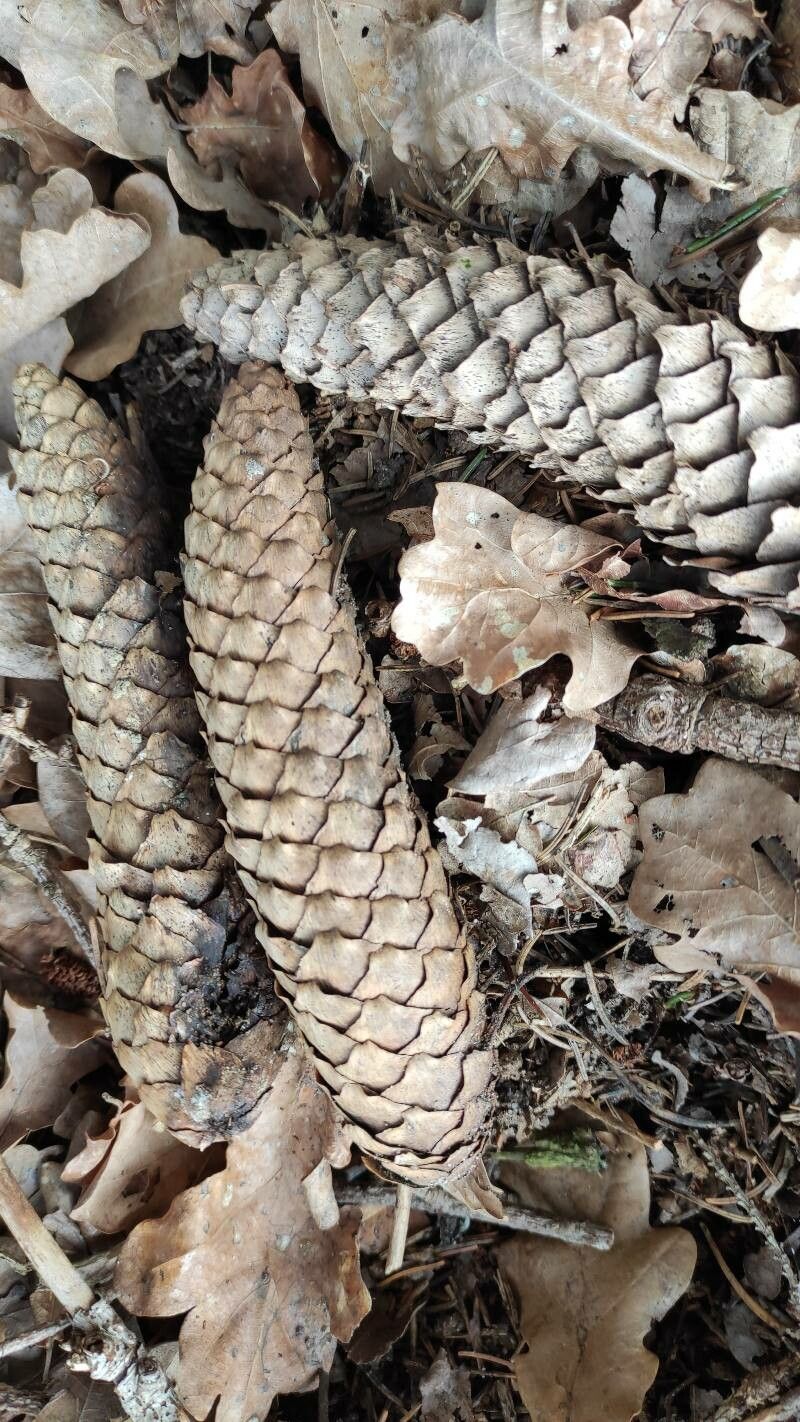
Hey there, fellow plant lovers! Today, we’re diving into the wonderful world of propagating Picea rubens, or as many of us affectionately call it, the Red Spruce. There’s something truly special about watching a tiny cutting transform into a proud miniature version of its parent tree. It’s a journey that connects us deeper to the natural cycles of growth, and incredibly, it’s a process that’s absolutely achievable! While some conifers can be a bit finicky for beginners, with a little patience and the right approach, successfully propagating Red Spruce is well within your reach.
The Best Time to Start
For Red Spruce, the late spring to early summer is absolutely prime time. You want to be working with wood that’s just finished its main flush of growth for the year. This “semi-hardwood” stage is when the stems are firm but still a bit pliable, giving them a good balance of flexibility and resilience for rooting. Waiting until you see new, bright green growth that has begun to stiffen slightly is your cue.
Supplies You’ll Need
Getting your workspace ready makes all the difference. Here’s a little rundown of what I always have on hand:
- Sharp, clean pruning shears or a razor blade: For making precise cuts.
- Rooting hormone powder or gel: This is a game-changer, encouraging those roots to form faster. Pick one formulated for woody cuttings.
- Well-draining potting mix: I often use a blend of perlite, coarse sand, and peat moss (or coco coir). About a 50/50 mix of perlite and peat/coco coir works beautifully.
- Small pots or a propagation tray: Clean ones are a must to prevent disease.
- Plastic bags or a propagation dome: To create a humid environment.
- Gloves: Especially if you’re sensitive to sap.
Propagation Methods: Stem Cuttings are Key
For Red Spruce, stem cuttings are your most reliable route. Division is really only for older, established trees and water propagation is generally not successful with conifers like this.
Here’s how we do it:
- Select Your Cuttings: On a slightly overcast day (less stress on the cutting!), look for healthy branches on your mature Red Spruce. Choose stems that are about 4-6 inches long and have some new growth at the tip. Avoid any flowery or seedy bits.
- Make the Cut: Using your clean shears or razor blade, make a clean cut just below a leaf node (where a needle bundle attaches to the stem). A slight angle is fine.
- Prepare the Cutting: Gently strip off the needles from the bottom 2-3 inches of the cutting. This area will be going into the soil. You can also lightly wound the bark on one or two sides of the stripped section – just a tiny scrape – this can help expose more surface area for rooting.
- Dip in Rooting Hormone: Dip the stripped end of the cutting into your rooting hormone, tapping off any excess.
- Plant Your Cuttings: Fill your pots or tray with your prepared potting mix. Make a small hole with a pencil or dowel, and gently insert the prepared end of the cutting. Firm the soil around it so the cutting stands upright. I usually plant several cuttings in each pot, spacing them about an inch apart.
- Water Gently: Water the soil thoroughly but gently to settle it around the cuttings.
- Create Humidity: Tent the pots or tray with a clear plastic bag or cover, making sure the plastic doesn’t touch the needles of the cuttings. If you’re using a bag, you might need to prop it up with small sticks.
The “Secret Sauce” (Pro Tips)
Now, for a couple of things that have really made a difference for me over the years:
- The Bottom Heat Trick: If you have a heat mat – use it! Placing your propagation tray on a gentle heat mat set to around 70°F (21°C) can dramatically speed up root development. It mimics the warmth of spring soil. Just make sure your pots aren’t sitting directly in water.
- Cleanliness is Next to Rootliness: I can’t stress this enough: STERILIZE EVERYTHING. Your pots, your tools, your hands. Fungus is the enemy of delicate cuttings, and a clean station is your best defense. A quick wipe with rubbing alcohol before you start goes a long way.
Aftercare & Troubleshooting
Once your cuttings are planted, the waiting game begins, but the real work is keeping them happy.
- Humidity is Key: Check the moisture of your soil every few days. It should feel consistently moist but not waterlogged. If the plastic bag is dripping a lot, open it up for an hour to let things air out slightly. Remove the plastic for good once you see new growth, which is a good sign.
- Light: Place your cuttings in a spot with bright, indirect light. Avoid direct sun, which can scorch those tender new leaves.
- When Will They Root? Be patient! It can take anywhere from a few weeks to several months for Red Spruce cuttings to develop a good root system. You can gently tug on a cutting (very, very gently!) to feel for resistance, or if you’re using clear pots, you might even see roots developing.
- Signs of Trouble: If your cuttings turn mushy or black at the base, that’s usually a sign of rot. This often means they’re getting too much water and not enough air. If you see this, try pulling the affected cuttings and slightly drying out the remaining soil. If the needles start to turn yellow and dry up, it might be too much direct sun or the soil is too dry.
A Encouraging Closing
Propagating Red Spruce is a slow burn, a labor of love that truly rewards your patience. Don’t be discouraged if your first few attempts aren’t perfect. Every gardener learns and grows with each plant they nurture. Enjoy the quiet dedication it takes, and celebrate every tiny sign of progress. You’ve got this! Happy propagating!
Resource:
https://identify.plantnet.org/k-world-flora/species/Picea%20rubens%20Sarg./data