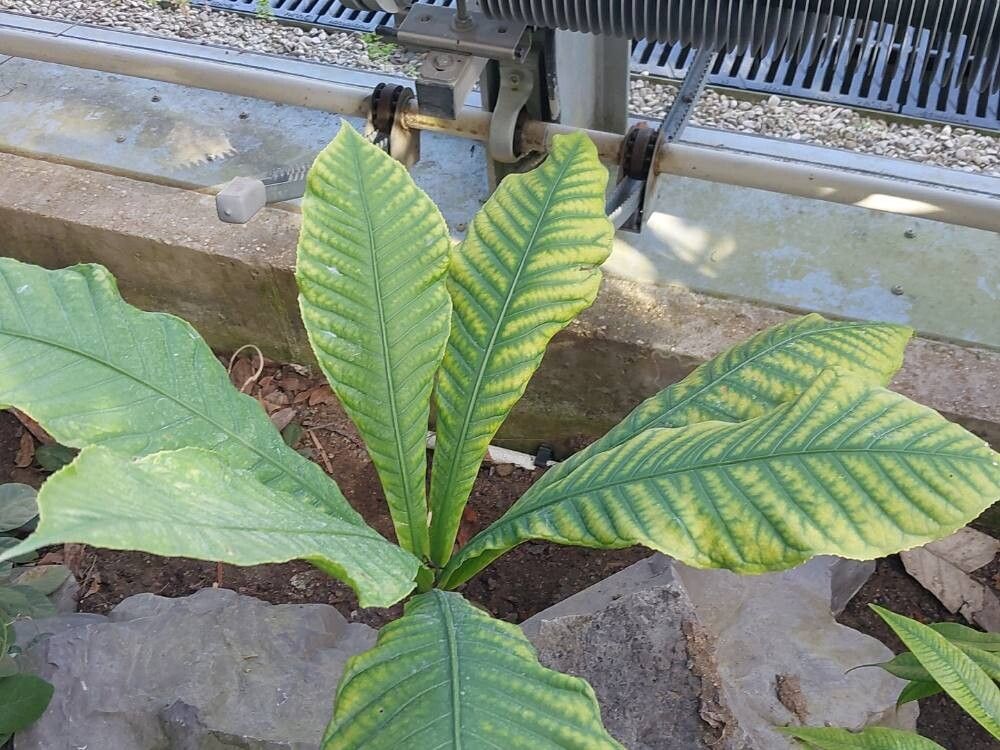
Hello, fellow plant lovers! Today, we’re diving into the wonderful world of Meryta latifolia, that gorgeous plant with the big, glossy leaves. If you’ve ever admired its architectural beauty, you’re in for a treat. Propagating it is a wonderful way to share its charm or simply add more of its lushness to your own garden.
Meryta latifolia, often called Puka, brings an almost tropical flair with its striking foliage. Those large, leathery leaves are simply stunning. And the best part? Getting more of these beauties is surprisingly accessible! For us seasoned gardeners, it’s a satisfying little project. For beginners, I think you’ll find Meryta to be a rather forgiving beginner plant when it comes to propagation. It’s a great one to cut your teeth on!
The Best Time to Start
When I’m looking to get new plants going, timing is everything. For Meryta latifolia, the late spring and early summer are your golden windows. This is when the plant is actively growing and full of vigor, meaning it’s most ready to put its energy into forming new roots. Look for stems that are firm but not yet woody. Think of it as picking a healthy child ready for a nap, not an elderly relative ready for bed!
Supplies You’ll Need
Gathering your tools beforehand makes the whole process smoother. Here’s what I usually have on hand:
- Sharp, clean pruning shears or a knife: Sanitation is key to preventing disease.
- Small pots or seed trays: Whatever you have that’s appropriately sized.
- A well-draining potting mix: I like to use a blend of equal parts perlite and peat moss or coco coir. You want it to hold a little moisture but drain like a sieve.
- Rooting hormone (optional but recommended): A good quality willow-bark based hormone can give your cuttings an extra boost.
- A clear plastic bag or a propagation dome: To create a humid microclimate.
- Watering can with a fine rose: Gentle watering is crucial.
Propagation Methods
Meryta latifolia is quite happy to be propagated from stem cuttings. It’s my go-to method for this plant, and it’s proven very successful.
-
Take Your Cuttings: Head out to your Meryta during the active growing season. Look for a healthy stem that’s about 6-8 inches long. Using your sharp shears or knife, make a clean cut just below a leaf node. A leaf node is that little bump where a leaf emerges from the stem – this is where the root magic happens. Remove the lower leaves from your cutting, leaving just a few at the top to help with photosynthesis.
-
Apply Rooting Hormone (If Using): Dip the cut end of the stem into your rooting hormone, tapping off any excess.
-
Plant Your Cuttings: Fill your small pots with your prepared potting mix. Make a hole in the center with your finger or a pencil, then insert the cutting. Gently firm the soil around the base of the stem. Make sure no leaves are touching the soil surface.
-
Create a Humid Environment: Water the soil gently. Then, cover the pot with a clear plastic bag, using a few stakes if needed to keep the bag from touching the leaves, or place it under a propagation dome. This traps in moisture, which is vital for cuttings that can’t yet take up water through roots.
-
Place in Bright, Indirect Light: Find a warm spot for your pots, but out of direct sunlight. A bright windowsill that doesn’t get harsh afternoon sun is usually perfect.
The “Secret Sauce” (Pro Tips)
Here are a couple of things I’ve learned over the years that make a real difference for Meryta:
- Don’t Drown Them! While humidity is key, you don’t want the soil to be waterlogged. Allow the top inch of soil to dry out slightly between waterings. Overwatering is the quickest way to invite rot, and nobody wants that!
- Bottom Heat is Your Friend: If you have a bit of extra equipment, a heat mat placed under your pots can significantly speed up root development. Meryta likes a little warmth to encourage growth, and bottom heat mimics the conditions of a plant’s natural environment.
Aftercare & Troubleshooting
Be patient! It usually takes 4-8 weeks for Meryta cuttings to develop a good root system. You can gently tug on a cutting – if there’s resistance, you’ve got roots! Once you see this, you can gradually acclimate your new plant to normal humidity by slowly opening the plastic bag or ventilation on your dome over a week. Continue to water as needed, allowing the soil to dry slightly between waterings.
The most common sign of trouble is rot. If you see the stem turning mushy and black, or the leaves wilting and browning dramatically despite being watered, it’s likely rot. This is usually a sign of too much moisture and not enough air circulation. If you catch it early, you might be able to salvage a healthy part of the stem and try again, but sadly, it’s often too late.
A Encouraging Closing
So there you have it! Propagating Meryta latifolia is a rewarding journey that connects you more deeply with your plants. Don’t be discouraged if your first attempt isn’t perfect. Gardening is all about learning and experimenting. Enjoy the process, celebrate your successes, and soon you’ll have a whole family of these magnificent plants. Happy growing!
Resource:
https://identify.plantnet.org/k-world-flora/species/Meryta%20latifolia%20(Endl.)%20Seem./data