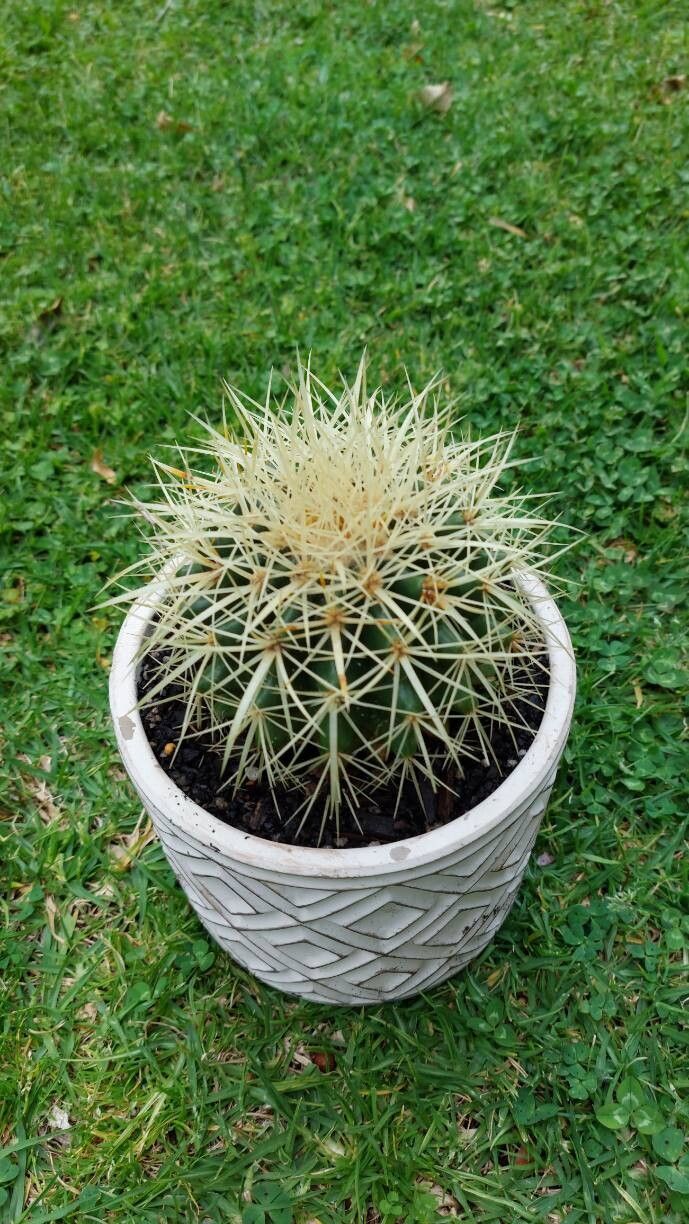
Oh, hello there! Pull up a chair and let’s chat about one of my garden favorites: the Kroenleinia grusonii, more commonly known as the Golden Barrel Cactus. If you’ve ever seen one of these beauties, you know why they’re so captivating. Their perfectly spherical shape, adorned with a dense covering of golden spines, makes them look like something from another planet – a friendly, spiky planet, of course! And the best part? You can create more of these stunning succulents right in your own home.
Now, I won’t lie to you. Propagating the Golden Barrel cactus isn’t the absolute easiest plant for a complete beginner, but it’s certainly achievable with a little care and patience. The reward of nurturing a tiny offset into a mature specimen is truly something special. It’s like watching a little green miracle unfold.
The Best Time to Start
For the highest success rates, spring and early summer are your golden windows. This is when your Kroenleinia grusonii is actively growing and has the energy to put into developing new roots. You can sometimes propagate in late summer too, but I find the earlier you start, the better chance your new babies have of establishing themselves before cooler weather arrives.
Supplies You’ll Need
Here’s what you’ll want to have on hand before you get started:
- Sterilized Pruning Shears or a Sharp Knife: For clean cuts.
- Rooting Hormone (Optional but Recommended): Especially for stem cuttings. Look for one formulated for succulents.
- Well-Draining Cactus/Succulent Potting Mix: This is crucial. You can buy a pre-made mix or create your own by combining equal parts potting soil, coarse sand, and perlite or pumice.
- Small Pots or Seed Trays: With drainage holes, of course!
- Gloves: Those spines can be prickly!
- Watering Can or Spray Bottle: For gentle watering.
- Newspaper or Cardboard: To handle the cactus safely.
Propagation Methods
The most common and successful way to propagate Kroenleinia grusonii is through offsets, which are little baby plants that grow from the base of the parent plant.
- Harvesting the Offsets: Wait until the offsets are at least an inch or two in diameter. Gently slide your sterilized knife or shears between the offset and the main
Kroenleinia grusonii. Try to get a clean cut, and if the offset has some of its own tiny roots attached, that’s a bonus! - Callusing: This is the most important step to prevent rot. Place the harvested offsets in a dry, well-ventilated area away from direct sunlight for at least 3-5 days, and sometimes up to a week. You’ll see the cut end dry out and form a protective callus. This seals the wound.
- Planting: Once callused, prepare your small pots with your well-draining cactus mix. Make a small indentation in the soil and gently place the offset, cut-end down. You don’t need to bury it deep – just enough to keep it upright. If you’re using rooting hormone, dip the callused end into the powder before placing it in the soil.
- Initial Watering (Wait!): Do NOT water immediately after planting. Wait for about a week. This gives any tiny root nubs a chance to start forming and further reduces the risk of rot.
The “Secret Sauce” (Pro Tips)
Here are a few little tricks I’ve picked up over the years that really make a difference:
- Bottom Heat is Your Friend: If you can, place your pots on a heated propagation mat. This gentle warmth from below encourages root development like nothing else. It’s like a cozy spa day for your new cactus!
- Don’t Drown Your Secrets: When you finally do start watering, be very, very gentle. I prefer to water from the bottom by placing the pots in a tray of water and letting them soak up what they need. This avoids disturbing the soil and prevents waterlogging the base of the
Kroenleinia grusonii. - Patience is a Virtue (and a Necessity): Rooting can take weeks, even months! Don’t panic if you don’t see immediate growth. Gently tugging on the offset after a few weeks will tell you if it’s anchored. If it resists, those roots are forming!
Aftercare & Troubleshooting
Once you see signs of new growth or feel some resistance when you gently tug, you know rooting has begun! Continue to water sparingly, allowing the soil to dry out completely between waterings. As the plant grows, gradually introduce it to brighter light, but always avoid direct, intense sun when it’s still small and vulnerable.
The main culprit for failure here is rot, usually indicated by a mushy, brown base. This is almost always due to overwatering or not allowing enough time for callusing. If you spot rot, you might be able to salvage a healthy part of the offset, but it’s tough. Another sign of trouble is if the offset shrivels and dries up completely before rooting – this can happen if it’s too dry or not getting enough light.
A Encouraging Closing
So there you have it! Propagating your own Golden Barrel Cacti is a wonderfully rewarding endeavor. Remember to be patient; nature takes its time. Enjoy the process of nurturing these spiky treasures, and soon you’ll have a whole collection to admire! Happy gardening!
Resource:
https://identify.plantnet.org/k-world-flora/species/Kroenleinia%20grusonii%20(Hildm.)%20Lodé/data