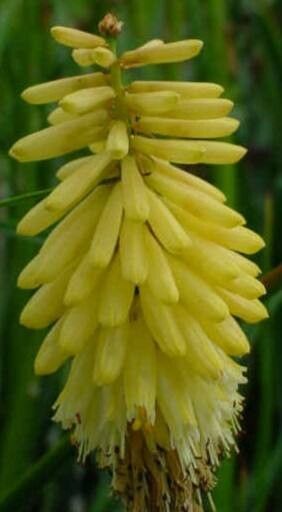
Hello fellow garden enthusiasts! You know those fiery torches of sunshine gracing gardens in late spring and summer? Those are our beloved Kniphofia, often called Red Hot Pokers. Among them, Kniphofia citrina stands out with its lovely lemon-yellow blooms, a truly cheerful sight. Propagating these beauties is incredibly rewarding, and I’m happy to say, it’s a wonderfully accessible project for even those just dipping their toes into the world of plant propagation.
The Best Time to Start
For Kniphofia citrina, the ideal time to get your hands dirty is early spring. This is when the plant is just starting to stir from its winter slumber and has plenty of stored energy to put into growing new roots. You can also have success with late summer, after the main flowering flush has passed, but spring generally offers the highest success rates.
Supplies You’ll Need
To set yourself up for success, gather these handy items:
- Sharp Pruning Shears or a Clean Knife: Essential for making clean cuts.
- Well-Draining Potting Mix: A blend of equal parts peat moss or coco coir, perlite, and coarse sand works beautifully. You can also buy a good quality seed starting mix.
- Small Pots or Trays: Clean pots of about 4-6 inches in diameter are perfect.
- Rooting Hormone (Optional but Recommended): A powdered or gel form can give your cuttings a little boost.
- Watering Can with a Fine Rose: For gentle watering.
- Labels and a Permanent Marker: To keep track of your efforts!
- A Small Trowel or Dibber: For making holes in the soil.
Propagation Methods
The most straightforward way to multiply your Kniphofia citrina is through division. This involves splitting up established clumps.
- Excavate with Care: In early spring, carefully dig up your established Kniphofia citrina clump. Try to get as much of the root system as possible.
- Gently Divide: You can often divide the clump by hand. Look for natural separations where the plant is already starting to branch. If it’s a bit stubborn, use your clean pruning shears or knife to make a clear cut through the rhizome (the fleshy underground stem). Aim for sections that have at least a few healthy roots and a bit of leafy growth.
- Potting Up: Fill your pots with your prepared, well-draining mix. Make a hole in the center with your trowel or dibber large enough to accommodate the roots.
- Plant Your Divisions: Place each division into its hole, ensuring the top of the rhizome is just at or slightly below the soil surface. Gently firm the soil around it.
- Water Thoroughly: Water your newly planted divisions well to settle the soil.
The “Secret Sauce” (Pro Tips)
Here are a couple of tricks I’ve learned over the years:
- Don’t Drown Your Roots: When watering after division, make sure the soil is moist, not waterlogged. Overwatering is the quickest way to invite rot, especially on young divisions. You want them to have enough moisture to establish, but good drainage is key.
- Give Them a Little Warmth: If you’re propagating in early spring when the weather can still be a bit chilly, consider placing your pots in a warm spot or use a heat mat. This encourages root development. Even a sunny windowsill can make a difference.
Aftercare & Troubleshooting
Once your new Kniphofia citrina divisions are potted up, treat them like precious young plants. Keep them consistently moist but not soggy. Place them in a spot that gets bright, indirect light. Avoid scorching direct sun while they are getting established.
You’ll know they’re settling in when you start to see new leaf growth appearing. This usually happens within a few weeks.
The most common problem you might encounter is rot. If you see your division turning mushy, dark, or developing a foul smell, it’s usually a sign of too much moisture. If this happens, you may need to carefully remove the affected parts or even discard the division. Always err on the side of caution with watering.
Closing Thoughts
Propagating new Kniphofia citrina from your existing plants is a wonderful way to expand your garden or share these sunny beauties with friends. Be patient with your new charges – they’re just getting started. Enjoy the process, the gardening therapy, and soon enough, you’ll have even more of these bright yellow torches to admire! Happy planting!
Resource:
https://identify.plantnet.org/k-world-flora/species/Kniphofia%20citrina%20Baker/data