Hey there, fellow plant lovers!
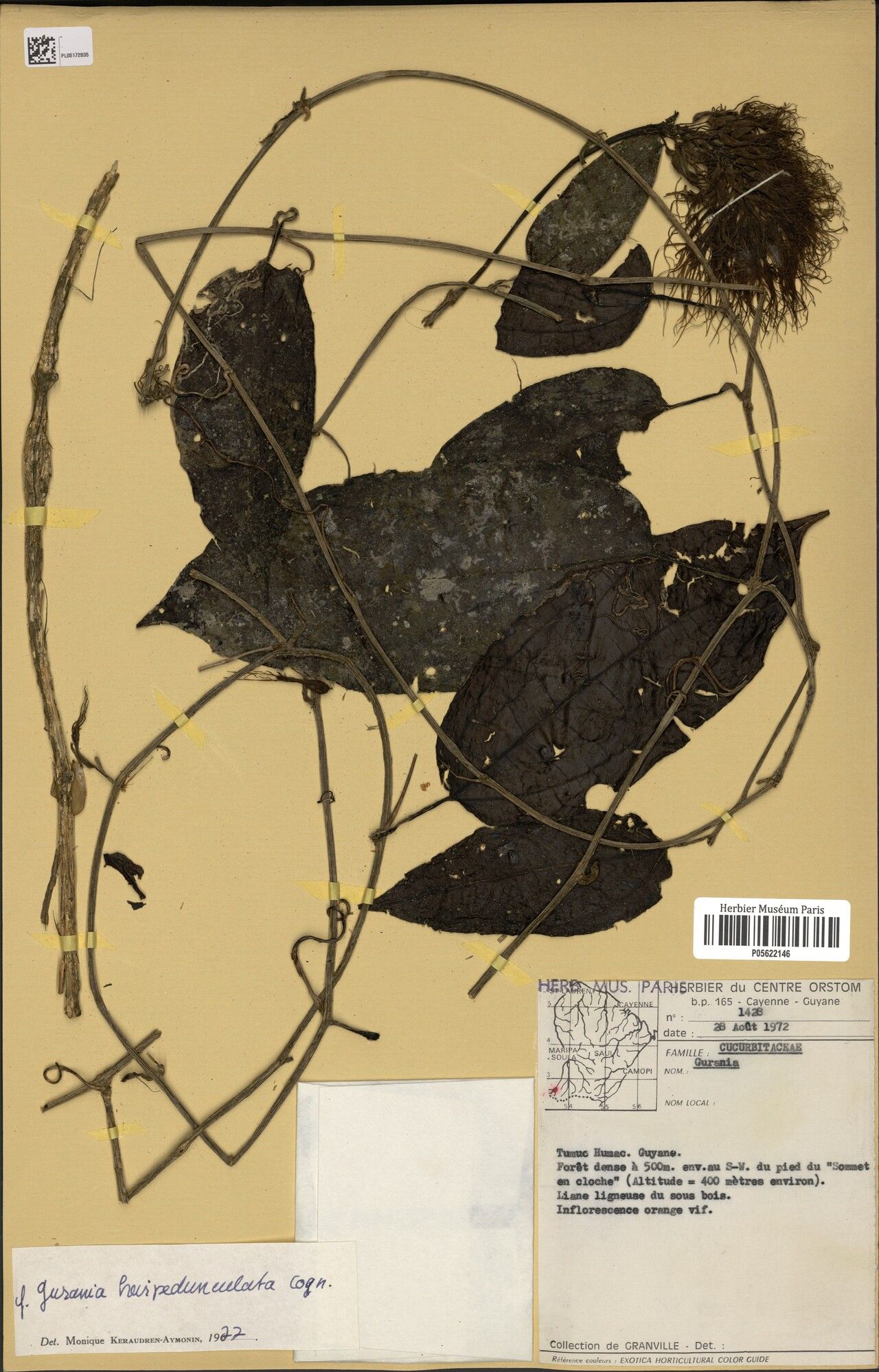
Let’s talk about a truly delightful and unique plant: Gurania brevipedunculata. If you’re looking for something a bit different, something with an almost prehistoric charm and a real architectural presence, then this vine is for you. It’s a gorgeous vine that produces stunning, elongated pendant flowers that are truly a showstopper. Propagating it is a wonderful way to share its beauty and expand your own collection without breaking the bank. Now, I’ll be honest, Gurania can be a little bit of a diva at times, so it might not be the absolute easiest plant for a complete beginner to tackle. But with a little patience and the right approach, you can absolutely succeed!
The Best Time to Start
For Gurania brevipedunculata, the absolute sweet spot for propagation is during its active growing season. Think late spring through summer. This is when the plant has plenty of energy to put into developing new roots. Starting your cuttings when the weather is warm and days are long gives them the best chance to take off. Trying to propagate when the plant is dormant or stressed is just asking for disappointment.
Supplies You’ll Need
Gathering your supplies beforehand makes the whole process so much smoother. Here’s what I always have on hand:
- Sharp Pruning Shears or Scissors: Clean cuts are crucial for preventing disease.
- Rooting Hormone (Optional but Recommended): A good quality rooting powder or gel can significantly boost your success rate.
- Well-Draining Potting Mix: I like to use a 50/50 mix of perlite and a good quality potting soil. Or, a dedicated cacti and succulent mix works wonderfully too.
- Small Pots or Propagating Trays: Clean, small pots with drainage holes are perfect.
- Clear Plastic Bag or Propagating Dome: To create a mini-greenhouse effect.
- Spray Bottle: For misting.
- Water: For hydration.
Propagation Methods
Gurania brevipedunculata is most commonly and successfully propagated through stem cuttings. It’s a fairly straightforward process, and I’ve found great success with this method.
Stem Cuttings:
- Select a Healthy Stem: Look for a mature, healthy stem that’s at least 6-8 inches long. Ideally, it will have a few leaf nodes (the points where leaves emerge from the stem). Avoid taking cuttings from very young, soft growth or old, woody stems.
- Make the Cut: Using your sharp pruning shears, make a clean cut just below a leaf node. This is where the plant is most likely to initiate root growth. For each cutting, aim for at least two nodes.
- Prepare the Cutting: Gently remove the lower leaves from the bottom node, leaving just one or two leaves at the top. This prevents the submerged leaves from rotting.
- Apply Rooting Hormone (Optional): If you’re using rooting hormone, dip the cut end of the stem into the powder or gel, tapping off any excess.
- Plant Your Cuttings: Fill your small pots with your prepared well-draining potting mix. Make a small hole in the center of the soil with your finger or a pencil. Insert the cut end of your Gurania cutting into the hole, pushing it down so that at least one leaf node is buried beneath the surface. Gently firm the soil around the cutting.
- Water Lightly: Water the soil thoroughly but gently, ensuring it’s moist but not waterlogged.
- Create a Humid Environment: Place a clear plastic bag over the pot, securing it with a rubber band or tying it loosely. Alternatively, use a propagating dome. This traps moisture and humidity, crucial for root development. Make sure the plastic doesn’t touch the leaves if possible.
- Provide Bright, Indirect Light: Place your potted cuttings in a bright location that receives plenty of indirect sunlight. Avoid direct sun, which can scorch the delicate cuttings.
- Monitor and Mist: Check your cuttings regularly. You’ll want to keep the soil consistently moist but not soggy. If the soil starts to dry out, gently mist the leaves and soil with your spray bottle. You can also lift the plastic bag occasionally to allow for some air circulation.
The “Secret Sauce” (Pro Tips)
Here are a couple of things I’ve learned over the years that really make a difference with trickier propagations like this:
- The Bottom Heat Trick: If you have it, placing your pots on a gentle heat mat can make a world of difference. Warm soil encourages root development much faster than cool soil. Just make sure the heat isn’t too intense; warmth, not baking heat, is the goal.
- Don’t Let Them Drown: When creating that humid environment with a plastic bag, ensure the leaves aren’t constantly sitting in condensation. If you see a lot of water droplets on the plastic, open it up for a few hours to let it air out. Excess moisture sitting on foliage can lead to fungal issues.
- Patience is a Virtue (with a Side of Observation): Don’t give up too soon! It can take several weeks, sometimes even longer, for Gurania cuttings to show signs of rooting. Observe them closely. New leaf growth or a slight tug resistance are good indicators that roots have formed.
Aftercare & Troubleshooting
Once you start seeing signs of new growth – tiny leaves unfurling or a little tug on the cutting showing resistance – you know your Gurania has rooted!
- Acclimatization: Slowly acclimatize your new plants to normal household humidity. Gradually open the plastic bag or dome for longer periods over a week or two before removing it entirely.
- Watering: Water when the top inch of soil feels dry. Avoid overwatering.
- Light and Temperature: Continue to provide bright, indirect light. They appreciate warmth, so keep them in a spot with consistent temperatures, ideally between 65-75°F (18-24°C).
- Repotting: Once the roots have filled the small pot, you can gradually transplant them into larger containers.
The most common sign of failure is rot. If your cuttings turn mushy, black, and smelly, it’s usually a sign of too much moisture and poor air circulation. If this happens, unfortunately, it’s best to discard the rotten cutting and start fresh, learning from what went wrong. Sometimes, cuttings just don’t have what it takes to root, and that’s okay too!
Keep Growing!
Propagating plants is such a rewarding journey, and Gurania brevipedunculata is a fantastic specimen to practice on. Don’t be discouraged if your first attempt isn’t perfect. Every cutting is a learning experience. Be patient, enjoy the process of nurturing these little life forms, and soon you’ll have the joy of watching your new Guranias flourish! Happy growing!
Resource:
https://identify.plantnet.org/k-world-flora/species/Gurania%20brevipedunculata%20Cogn./data