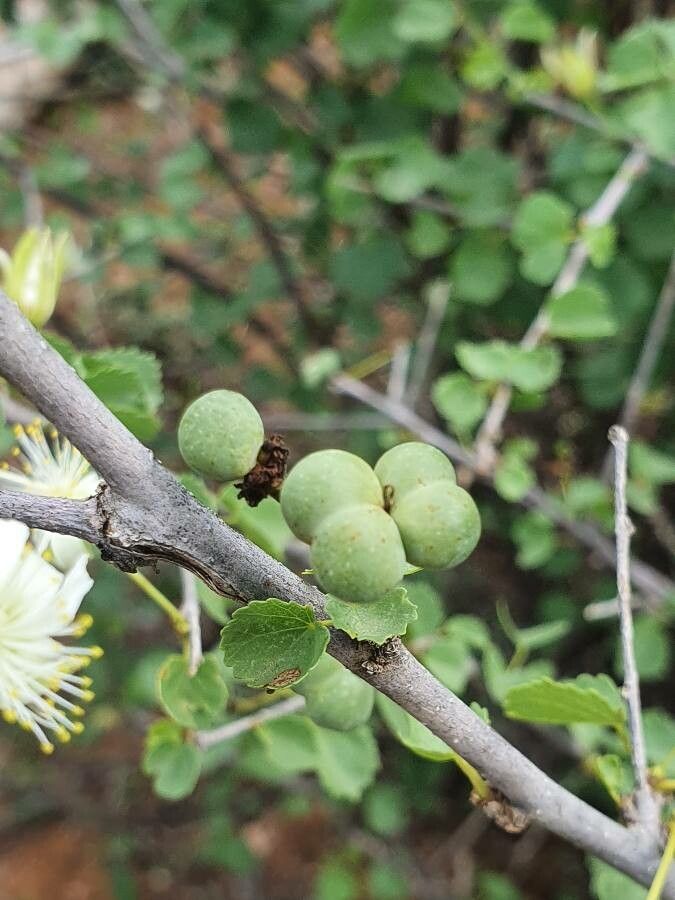
Hello fellow gardeners! I’m so glad you’re here. Today, we’re diving into the delightful world of Grewia tenax, also known affectionately as the Oriental Raisin Tree or by many other local names. This wonderful plant is a true gem for any garden, offering pretty, star-shaped flowers followed by edible, raisin-like fruits that are surprisingly sweet. It’s a plant that offers beauty, utility, and the pure joy of watching something grow from a tiny start. And the best part? Propagating it is a deeply rewarding experience, giving you more of these beauties to share or to fill your own garden. While not as fuss-free as some common houseplants, with a little attention, you’ll find Grewia tenax to be a joy to propagate.
The Best Time to Start
For the highest chance of success, I always reach for my cutting tools in late spring or early summer. This is when the plant is actively growing, producing plenty of new, pliable stems. The sap is flowing well, and these young shoots have a vibrant energy that translates beautifully into new roots. You can also try in early autumn with slightly more mature wood, but you might find the rooting process a little slower.
Supplies You’ll Need
Gathering your supplies upfront makes the whole process so much smoother. Here’s what I usually have on hand:
- Sharp Pruning Shears or a Craft Knife: Clean cuts are essential for good healing and rooting.
- Rooting Hormone Powder or Gel: This isn’t strictly mandatory, but it significantly boosts your success rate.
- Potting Mix: A well-draining mix is crucial. I like to use a blend of equal parts peat moss (or coir), perlite, and a good quality potting soil. Some fine grit mixed in also helps with aeration.
- Small Pots or Trays: Clean containers with drainage holes are a must.
- Plastic Bags or a Propagator: To create a humid environment around your cuttings.
- Watering Can with a Fine Rose: For gentle watering.
- Labels: To keep track of what you’ve potted!
Propagation Methods
Grewia tenax is most reliably propagated from stem cuttings. It’s straightforward and generally yields excellent results.
Stem Cuttings: My Go-To Method
- Take Cuttings: On a pleasant morning, select healthy, vigorous stems that are about pencil-thick and 6-8 inches long. Look for stems that are green and flexible, not woody or brittle. Make a clean cut just below a leaf node (where a leaf joins the stem).
- Prepare the Cuttings: Remove the lower leaves from each cutting, leaving just two or three at the very top. This prevents them from rotting once planted. If the top leaves are very large, you can even cut them in half to reduce water loss through transpiration.
- Apply Rooting Hormone: Dip the cut end of each stem into your rooting hormone, tapping off any excess. This step really encourages strong root development.
- Plant the Cuttings: Fill your small pots or trays with your prepared, moistened potting mix. Make a hole in the center of the soil with a pencil or your finger. Carefully insert the cut end of the Grewia tenax cutting into the hole, ensuring the rooting hormone stays on the stem. Gently firm the soil around the stem.
- Create Humidity: Water the soil gently to settle it. Then, cover each pot (or the entire tray) with a clear plastic bag, or place them inside a propagator. This creates a mini-greenhouse effect, keeping the humidity high, which is essential for cuttings to root before they can absorb water through their own roots. Make sure the leaves do not touch the plastic bag. You can use stakes to prop it up if needed.
- Placement: Place the pots in a bright location, but out of direct, scorching sunlight. A warm spot is ideal.
The “Secret Sauce” (Pro Tips)
Here are a few little tricks I’ve learned over the years that can really make a difference:
- Bottom Heat is Your Friend: If you can, place your pots on a heated propagator mat. This gentle warmth from below encourages root formation much faster than just ambient room temperature. It’s like giving your cuttings a warm hug to get them started.
- Don’t Drench, Just Dampen: While humidity is key, overwatering is the fastest way to a rotten end. The soil should be consistently moist, like a wrung-out sponge, not soggy. Check the moisture by gently pressing the soil; if it springs back nicely, it’s perfect.
- Consider a Splash of Willow Water: Before using rooting hormone, some gardeners swear by soaking willow branches in water for a few days, then using that “willow water” to soak their cuttings. Willow contains natural rooting hormones, and it’s a lovely, natural option to try.
Aftercare & Troubleshooting
Once you’ve potted your cuttings, the waiting game begins!
- Patience is Key: It can take anywhere from 4 to 8 weeks (or sometimes even longer) for Grewia tenax cuttings to develop a good root system. You can check for roots by gently tugging on a cutting. If you feel resistance, roots are forming!
- Gradual Acclimation: When you see signs of new growth at the tip of the cutting, it’s a good indication that roots have formed. Slowly start to acclimate your cuttings to lower humidity by gradually opening the plastic bag or propagator over a week or so.
- Transplanting: Once your cuttings have a healthy root ball (you can often see roots emerging from the drainage holes), it’s time to pot them into slightly larger individual pots. Continue to provide bright, indirect light and keep the soil consistently moist.
Troubleshooting: The most common issue you’ll encounter is rot. This is usually caused by overwatering and poor drainage. If you see a cutting turning brown and mushy, it’s likely a lost cause. Remove it immediately to prevent it from affecting others. Another sign of trouble is a cutting that wilts and never recovers; this can mean it hasn’t rooted and is drying out, or it’s simply not viable. Don’t be discouraged if a few don’t make it; it’s part of the learning process!
A Encouraging Closing
There you have it! Propagating Grewia tenax is a beautiful journey that connects you more deeply with your plants. Be patient with yourself and your new little sprouts. Nature works on its own timeline, and there’s immense satisfaction in coaxing new life from a simple stem. So grab your tools, enjoy the process, and soon you’ll be admiring your very own new Oriental Raisin Trees! Happy gardening!
Resource:
https://identify.plantnet.org/k-world-flora/species/Grewia%20tenax%20(Forssk.)%20Fiori/data