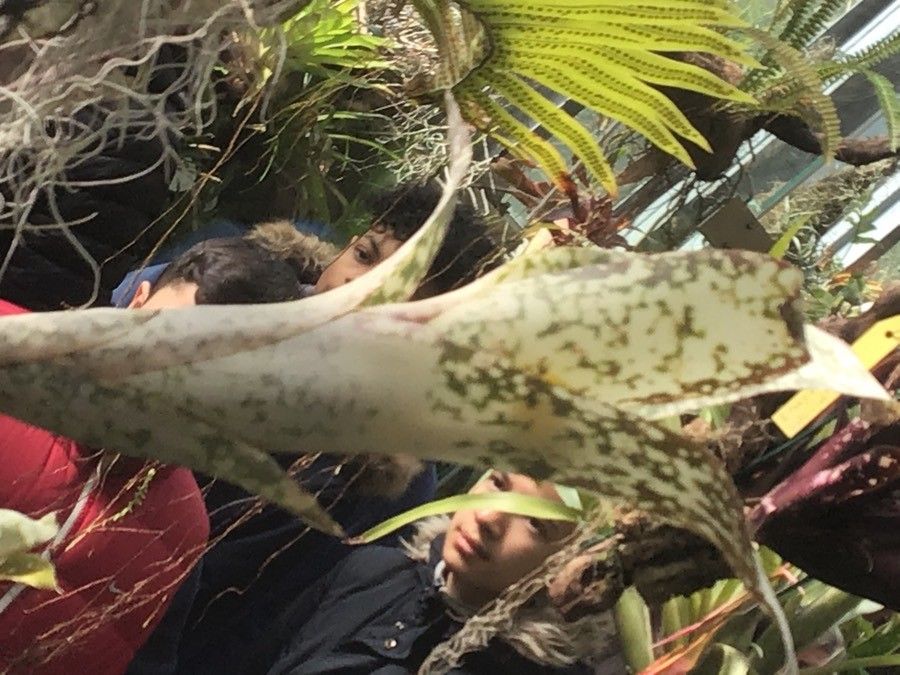
Oh, hello there! Grab your favorite mug; we’re about to dive into the wonderful world of Billbergia morelii. If you’ve ever admired those striking, bromeliad beauties with their vibrant, architectural leaves and those stunning, often pendulous flower spikes – you know, the ones that look like they’ve just dropped from a botanical wonderland – then you’re in for a treat. Billbergia morelii is particularly special. It’s a relatively manageable bromeliad, and propagating it yourself is incredibly rewarding. Plus, it’s a fantastic way to share a bit of that tropical magic with friends or simply to fill your own spaces with even more greenery. It’s not overly challenging, making it a great project for even newer plant enthusiasts.
The Best Time to Start
When it comes to Billbergia morelii, the sweet spot for propagation is late spring through early summer. This is when the plant is actively growing and has a good amount of stored energy. You’re looking for a plant that’s mature enough to have produced offsets, or “pups,” as they’re often called. These are the little baby plants that emerge from the base of the mother plant. Trying to propagate too early, when the pups are tiny, can stress the mother plant and reduce the pup’s chances of survival. Patience truly is a virtue in the garden!
Supplies You’ll Need
Before you get your hands dirty, gather these essentials:
- Sharp pruners or a clean knife: For separating the pups. Sterilize them with rubbing alcohol between plants to prevent disease spread.
- Well-draining potting mix: A good blend for bromeliads is key. I like to use a mix of orchid bark, perlite, and a bit of peat moss or coco coir. Or, simply use a good quality cactus and succulent mix.
- Small pots or containers: Something that fits the size of the pup you’re working with. Terracotta pots are excellent for good airflow.
- Optional: Rooting hormone: While Billbergia morelii often roots readily on its own, a rooting hormone powder can give it a helpful nudge.
- Watering can or spray bottle: For gentle watering.
Propagation Methods
For Billbergia morelii, the most straightforward and successful method is division of pups. This is essentially separating the baby plants from the parent.
- Inspect the Mother Plant: Look for well-developed pups at the base of the mature Billbergia. These pups should be at least one-third to one-half the size of the mother plant and ideally have a few leaves of their own.
- Gently Loosen the Soil: If the pup is quite attached, you might need to gently loosen the soil around its base. You can carefully tip the pot on its side or use a small trowel to ease things.
- Separate the Pup: Using your sterilized pruners or knife, carefully cut the pup away from the mother plant. Try to make a clean cut as close to the mother plant as possible, ensuring the pup has some of its own root base attached. If there are no visible roots on the pup yet, don’t worry too much – they will grow!
- Allow to Dry (Optional but Recommended): This is a crucial step! If you’ve made a fresh cut, let the pup sit out for a day or two in a shaded spot. This allows the cut end to callus over, much like a scab on a wound. This significantly reduces the risk of rot once planted.
- Potting Up: Fill your chosen small pot with your well-draining potting mix. Make a little hole in the center and place the base of the pup into it. Gently firm the soil around it, ensuring it’s stable. If you’re using rooting hormone, dip the cut end into it before planting.
- Initial Watering: Water very lightly after potting. You don’t want to saturate the soil, as the pup is still establishing and vulnerable.
The “Secret Sauce” (Pro Tips)
Here are a couple of little tricks I’ve learned over the years that make a difference:
- Don’t Let the Leaves Touch the Water (if using water propagation, which is less common for this specific method, but a good general bromeliad tip too): If you ever happen to prop a bromeliad in water for leaf cuttings, this is crucial. Water trapped in the leaf axils (where the leaves join) can quickly lead to rot. Always try to keep the foliage dry. For pup division, this translates to avoiding soggy soil.
- The Magic of Bottom Heat: If you’re propagating in a cooler environment, placing your newly potted pups on a heat mat can dramatically speed up root development. Bromeliads love warmth, and a little boost from below really encourages them to get going.
Aftercare & Troubleshooting
Once your pups are potted, place them in bright, indirect light. Avoid direct sun, which can scorch their delicate new leaves.
- Watering: Water sparingly for the first few weeks. The goal is to keep the soil lightly moist, not wet. As the pup establishes and starts to show new growth, you can gradually increase watering to a more regular schedule, similar to the mother plant. You can also mist the leaves occasionally.
- Rooting: You’ll know your pup is rooting when it feels firm in the soil and you start to see signs of new leaf growth. This can take anywhere from a few weeks to a couple of months.
- Troubleshooting: The most common issue you’ll encounter is rot. This usually happens if the soil stays too wet for too long, or if the cut end hasn’t callused properly. If you see the base of the pup turning mushy and brown, it’s likely rot. There’s often little you can do at this stage, but if you catch it very early, you might be able to cut away the affected part and let the remainder try to callus again. Another sign of distress is wilting or yellowing leaves, which can indicate underwatering or being too cold.
A Encouraging Closing
Growing more Billbergia morelii from your own plants is such a satisfying part of gardening. It connects you to your plants in a deeper way. Be patient with your little pups; they have their own timeline! Celebrate each tiny sign of new growth, and enjoy the journey of nurturing these beautiful plants. Happy propagating!
Resource:
https://identify.plantnet.org/k-world-flora/species/Billbergia%20morelii%20Brongn./data