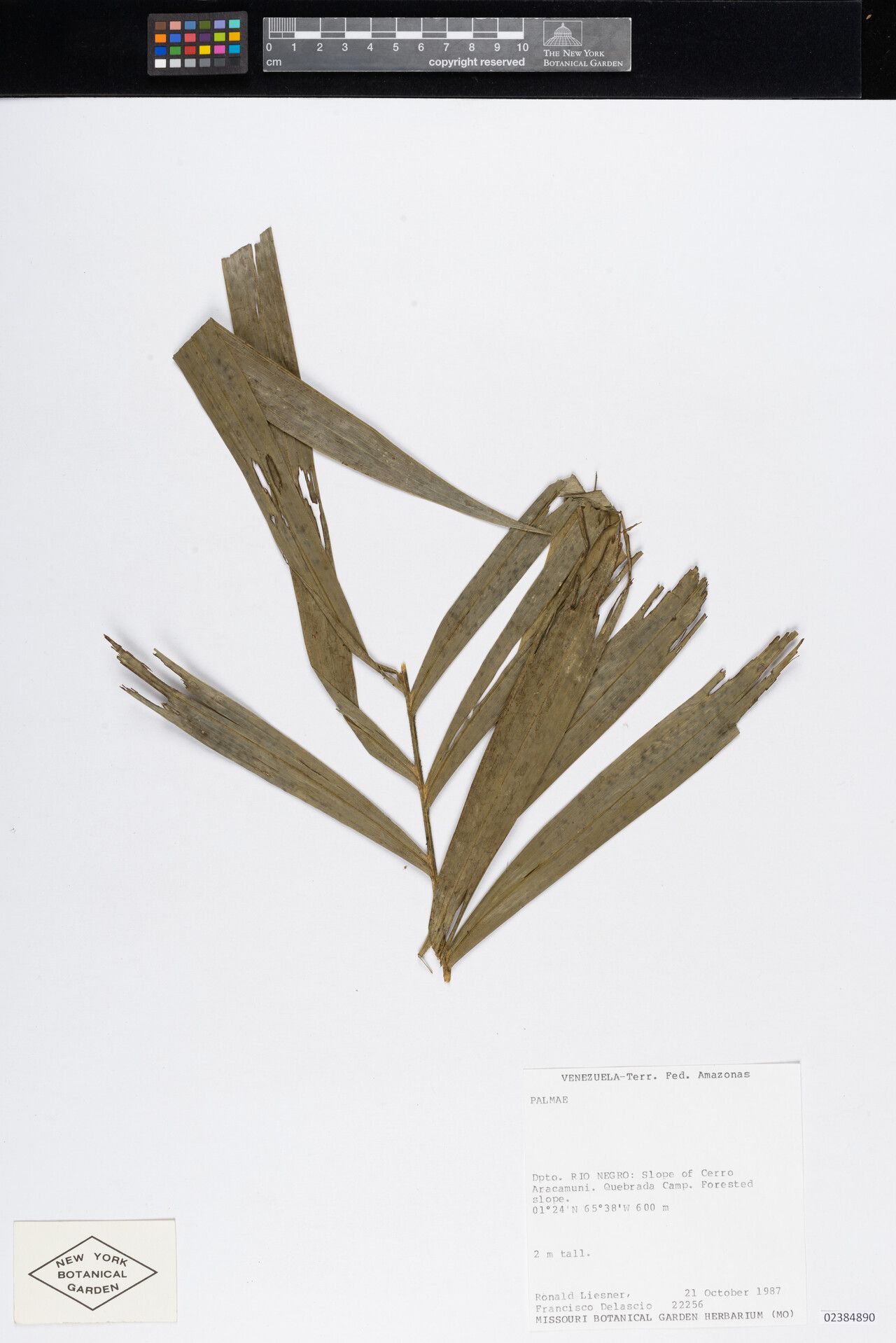
Oh, hello there, fellow plant lover! It’s so wonderful to have you join me today. We’re going to dive into the delightful world of propagating Bactris balanophora, a palm that’s really captured my heart over the years. Its graceful fronds and rather charming, almost spiky appearance make it a real showstopper in any tropical garden. And the best part? Creating more of these beauties yourself is incredibly rewarding. Is it easy for beginners? Well, it can be a little bit of a learning curve, but with a bit of patience and the right approach, I promise, you’ll be celebrating your own success.
The Best Time to Start
When it comes to getting new Bactris balanophora plants going, the absolute sweet spot is during its active growing season. For most of us, this means spring and summer. You’ll see the most vigorous growth then, and any cuttings or divisions you take will have the best chance of thriving. Look for healthy, established plants that are showing signs of new life.
Supplies You’ll Need
Here’s a little toolkit that will set you up for success:
- Sharp Pruning Shears or a Clean Knife: For making clean cuts. A dull tool can damage the plant.
- Well-Draining Potting Mix: I like to use a blend of equal parts peat moss, perlite, and coarse sand. This ensures good aeration and prevents waterlogging. For divisions, a good standard palm mix works well.
- Small Pots or Seed Trays: Whatever suits the size of your cuttings or divisions. Make sure they have drainage holes.
- Rooting Hormone (Optional but Recommended): A rooting powder or gel can significantly boost your success rate, especially for cuttings.
- Watering Can with a Fine Rose or a Spray Bottle: For gentle watering.
- Clear Plastic Bag or Humidity Dome: To create a microclimate for cuttings.
- Labels and a Permanent Marker: Because trust me, you’ll forget which is which!
Propagation Methods
Bactris balanophora can be propagated primarily through division. While stem cuttings are possible for some palms, this particular species is more reliably and easily propagated by splitting up its existing clumps.
Here’s how we’ll do it:
Method: Division
- Prepare Your Parent Plant: Gently remove the entire Bactris balanophora from its pot. If it’s planted in the ground, carefully dig it up, trying to disturb the root ball as little as possible.
- Inspect and Separate: Look for smaller offshoots or pups that are growing from the base of the main stem. These often have their own developing root systems.
- Make the Cut (Carefully!): Using your sharp pruning shears or knife, carefully separate a pup from the main plant. Try to get as many roots as possible attached to the pup. If the pup is very small and still tightly connected, you might need to make a clean cut through the rhizome (the underground stem).
- Potting Up Your New Palm: Take your separated pup and pot it into its own container filled with your well-draining potting mix. Ensure the base of the pup is at soil level.
- Initial Watering: Water your newly potted palm thoroughly but gently. You want the soil to be moist, but not waterlogged.
The “Secret Sauce” (Pro Tips)
Now, for a few little tricks I’ve learned along the way:
- Think “Dry Roots, Happy Plant”: When you’re dividing, it’s actually beneficial to let the cut ends of the parent plant and the separated pup air out for a few hours, or even overnight, before repotting. This helps callus over any fresh wounds, which can prevent rot.
- Location, Location, Location: For newly divided plants, place them in a spot with bright, indirect light. Avoid direct sun, which can scorch their tender new leaves. Too much sun before they’ve established good roots is a recipe for disappointment.
- Don’t Overwater Me! This is probably the most common mistake. New divisions are much more susceptible to root rot than established plants. Wait until the top inch of soil feels dry before watering again.
Aftercare & Troubleshooting
Once your new Bactris balanophora is potted up, keep it in that bright, indirect light. Mist the leaves occasionally, especially if your home is dry. As the plant begins to show signs of new growth – a new frond unfurling – you know it’s happily settling in.
What if things go wrong? The most common issue you’ll encounter is rot. If you notice the base of your palm turning mushy, turning black, or smelling unpleasant, that’s a sign of overwatering and a serious infestation of root rot. Unfortunately, at that point, it’s usually too late. This is why getting that drainage right and letting the soil dry out between waterings is so crucial. If you see wilting, it could be underwatering or sometimes shock. Feel the soil; that’s your best clue.
A Encouraging Closing
Propagating plants is a journey, and with each new leaf that unfurls on your Bactris balanophora, you’ll feel a real sense of accomplishment. Be patient with yourself and with your new little palms. Enjoy the process, observe your plants, and don’t be afraid to learn from every plant you nurture. Happy growing!
Resource:
https://identify.plantnet.org/k-world-flora/species/Bactris%20balanophora%20Spruce/data