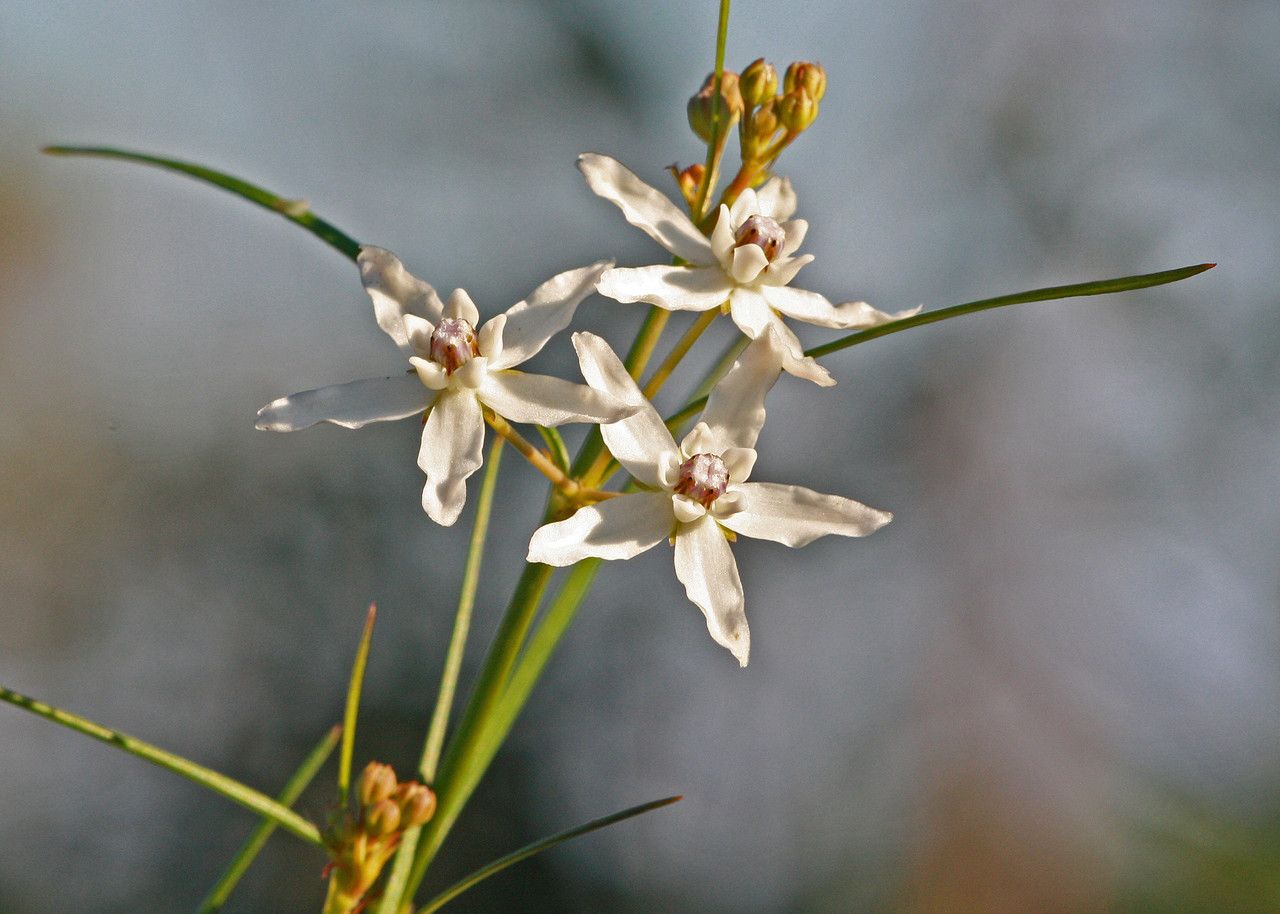
Oh, Asclepias feayi! Isn’t she a beauty? I’ve been coaxing these lovely plants from cuttings for years, and I’ve got to tell you, it’s one of the most satisfying little victories in the garden. Seeing a tiny sprig transform into a robust new monarch magnet is just pure joy. If you’re new to propagating, don’t worry. While Asclepias feayi might have a tiny bit of a reputation for being a tad particular, I find with a few simple tricks, it’s quite manageable, even for beginners. You’ve got this!
The Best Time to Start
Everything in gardening is about timing, isn’t it? For Asclepias feayi, I’ve found the sweet spot is late spring to early summer. This is when the plant is in its active growth phase. You want to take cuttings from stems that are healthy, vigorous, and haven’t yet flowered. Think of it as harvesting new growth, full of life just ready to start its own journey. Trying to propagate when the plant is dormant or stressed just won’t give you the same eager-to-root results.
Supplies You’ll Need
Gathering your supplies beforehand makes the whole process so much smoother. Here’s what I always have on hand:
- Sharp, clean pruning shears or a sharp knife: A clean cut is crucial for preventing disease.
- A rooting hormone powder or gel (optional but recommended): This gives your cuttings a little boost.
- Well-draining potting mix: I like a blend of equal parts perlite, vermiculite, and a good quality potting soil. Some folks also swear by coir. The key is aeration!
- Small pots or seed trays with drainage holes: Even tiny pots are perfect for starting out.
- A watering can with a fine rose or a spray bottle: Gentle watering is essential.
- Plastic bags or a propagation dome: To create a humid environment.
- A label and waterproof marker: So you don’t forget what you planted where!
Propagation Methods
I focus on two main methods for Asclepias feayi, and both are pretty straightforward. It’s all about giving those cuttings the right conditions.
Stem Cuttings
This is my go-to method. It’s efficient and you can get several new plants from a single healthy mother plant.
- Select Your Stems: On a warm, sunny day, choose a healthy, non-flowering stem. Look for one that’s about 4-6 inches long.
- Make the Cut: Using your sharp shears, make a clean cut just below a leaf node. A leaf node is where a leaf attaches to the stem. This is an area with a lot of potential for root development.
- Prepare the Cutting: Gently remove the lower leaves from the bottom half of the cutting. If the cutting has any leaves that are very large, I sometimes’ll even snip those in half horizontally to reduce water loss.
- Apply Rooting Hormone (Optional): Dip the cut end of the stem into your rooting hormone powder or gel, tapping off any excess.
- Plant Your Cuttings: Fill your small pots with your well-draining potting mix. Make a small hole in the center with your finger or a pencil.
- Insert and Water: Place the cutting into the hole and gently firm the soil around it. Water thoroughly until you see water drain from the bottom.
- Create Humidity: This is key! Cover the pot loosely with a clear plastic bag, or place it under a propagation dome. Make sure the plastic doesn’t touch the leaves too much. You can use skewers or stakes to prop it up if needed. Place the pot in a location with bright, indirect light. Avoid direct sun, which can scorch the tender cuttings.
Water Propagation (with a caveat!)
While I can root Asclepias feayi in water, I find it’s a little trickier to transition them to soil later. If you do choose this route, here’s how:
- Prepare the Cutting: Follow steps 1, 2, and 3 as above.
- Place in Water: Put the prepared cutting in a clean jar or glass of room-temperature water.
- Change Water Regularly: Change the water every 2-3 days to keep it fresh and prevent bacterial growth.
- Watch for Roots: You should start to see tiny white roots appear within a few weeks.
- Transplant Carefully: Once the roots are about an inch long, it’s time to move them to soil. Be very gentle as these roots are delicate! Pot them up as described in step 6 of the stem cutting method, using that well-draining mix.
The “Secret Sauce” (Pro Tips)
Here are a few things I’ve learned over the years that really make a difference:
- The Sap Situation: Asclepias plants ooze a milky sap when cut. This can be a bit sticky. A quick dip in cool water immediately after cutting can help stop the flow and prevent it from sealing the wound. Don’t let the sap dry on the cut end before planting.
- Bottom Heat is Your Friend: If you have it, a propagation mat set to a gentle warmth (around 70-75°F) will significantly speed up root development. It mimics the warmth of summer soil, encouraging those roots to emerge much faster.
- Don’t Overwater: It’s so tempting to peek and poke and water, but damp, not soggy, soil is the goal. Too much moisture is the quickest way to invite rot.
Aftercare & Troubleshooting
Once you see new growth emerging from the top of the cutting, that’s a good sign roots are forming underneath. You can give them a gentle tug – if there’s resistance, you’ve got roots!
- Gradual Acclimation: Once roots are established, slowly acclimate your new plants to drier air. First, poke a few holes in the plastic bag, then remove it for a few hours a day, gradually increasing the time until it’s completely off.
- Transplanting: When the new plant is a few inches tall and seems strong, you can transplant it into a slightly larger pot, again using that excellent draining mix.
- Rot is the Enemy: The most common issue is rot. If your cutting turns black and mushy, it’s likely rotted. This usually comes from too much moisture or poor air circulation. If you see it, discard the affected cutting immediately to prevent it from spreading. Don’t despair, just try again!
A Little Patience Goes a Long Way
Propagating plants is a journey, and Asclepias feayi is no exception. There will be successes, and there might be a few failures along the way. That’s perfectly normal. Just keep observing, keep learning, and most importantly, enjoy the process. Those delicate new plants you nurture into being will be a beautiful reward for your efforts, and our precious pollinators will thank you for it! Happy propagating!
Resource:
https://identify.plantnet.org/k-world-flora/species/Asclepias%20feayi%20Chapm.%20ex%20A.Gray/data