Hey there, fellow plant lovers!
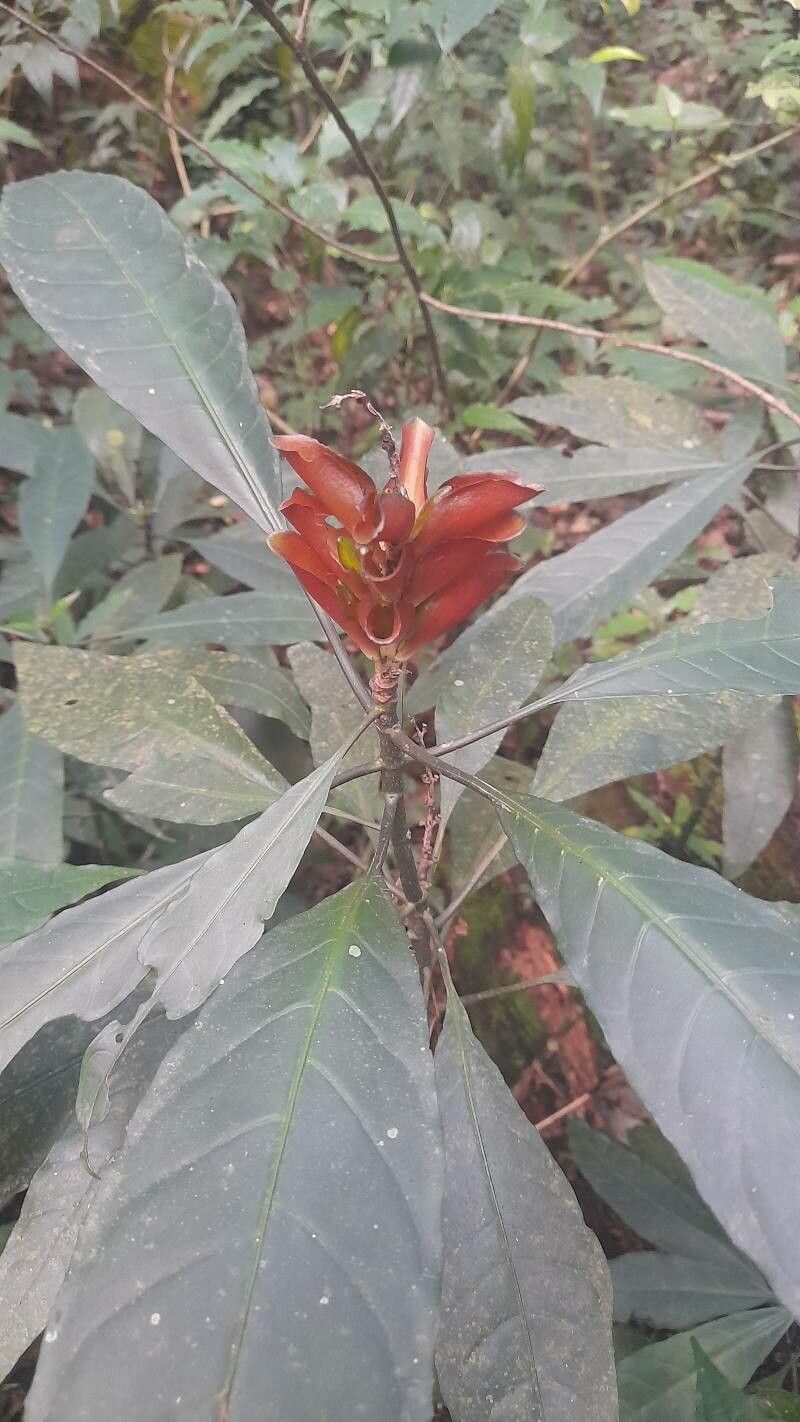
Let’s talk about a real stunner for your indoor jungle: Aphelandra speciosa, also known as the Zebra Plant. Its striking, dark green leaves with contrasting creamy white veins are simply captivating. And the bonus? When it’s happy, it throws up these amazing, bright yellow-orange flower spikes. Honestly, seeing a new plant emerge from a little piece of your existing one is one of the most rewarding feelings for a gardener. Now, is it a walk in the park for a total beginner? I’d say it’s more of a pleasant stroll with a few checkpoints. It requires a bit of attention, but once you get the hang of it, you’ll be hooked!
The Best Time to Start
For Aphelandra speciosa, the sweet spot for propagation is late spring through summer. This is when the plant is actively growing. You’ll have the most success taking cuttings when the plant is vibrant and full of energy, not during its resting period. Look for healthy, non-flowering stems.
Supplies You’ll Need
Gathering your supplies beforehand makes the whole process much smoother. Here’s what I usually have on hand:
- Sharp Pruning Shears or a Clean Knife: For taking clean cuts. We don’t want to bruise the stem!
- Potting Mix: A well-draining, peat-based mix is ideal. I often use a blend of potting soil, perlite, and a bit of coco coir. It needs to hold moisture but not get waterlogged.
- Small Pots or Seedling Trays: Clean pots are crucial to prevent disease.
- Rooting Hormone (Optional but Recommended): This little helper gives your cuttings a boost. I like the powder form.
- Plastic Bag or Propagation Dome: To create a humid environment for your cuttings.
- Spray Bottle: For misting.
- Perlite or Vermiculite: For drainage and aeration in the potting mix.
Propagation Methods
Let’s get our hands dirty and try a couple of methods. Stem cuttings are my go-to for Aphelandra speciosa.
Stem Cuttings
- First, identify a healthy stem. You’re looking for a piece that’s about 4-6 inches long. Make your cut just below a leaf node. This is the spot where leaves join the stem, and it’s where roots are most likely to form.
- Gently remove the lower leaves from the cutting. You want to expose the nodes where roots will emerge. Leave a few leaves at the top to help the cutting photosynthesize.
- If you’re using rooting hormone, dip the cut end into it. Just a light coating will do.
- Now, it’s time to plant! Stick the calloused end of your cutting into your prepared potting mix. Make sure the nodes where you removed the leaves are buried in the soil. Firm the soil around the stem gently.
- Water the potting mix thoroughly until you see water draining from the bottom of the pot.
- Pop your pot into a plastic bag or cover it with a propagation dome. This creates that lovely, humid environment the cuttings need to stay happy while they root. You can secure the bag with a rubber band.
Water Propagation (A Slightly Different Approach)
If you’re feeling a bit hesitant about soil right away, water propagation can be a great first step.
- Take your stem cutting just as described above – 4-6 inches long, just below a leaf node, and removing lower leaves.
- Place the cutting in a clean jar or glass filled with room-temperature water. Make sure the leaf nodes are submerged.
- Crucially, don’t let the leaves themselves touch the water. They’ll rot.
- Place the jar in bright, indirect light.
- Change the water every few days to keep it fresh and prevent stagnation. You should start to see small white roots forming in a few weeks. Once the roots are about an inch long, you can carefully transplant them into soil.
The “Secret Sauce” (Pro Tips)
Here are a few little tricks I’ve learned over the years that really make a difference:
- Bottom Heat is Your Friend: Aphelandra speciosa loves a bit of warmth to get its roots going. If you have a heat mat, placing your pots on it can significantly speed up the rooting process. Think of it as giving your little cuttings a warm hug!
- Don’t Drown, Mist: While humidity is key, overwatering the soil is a big no-no for cuttings. I like to lightly mist the leaves and the soil surface from time to time if things are looking dry inside the bag. Check the soil moisture by gently poking your finger in – it should feel damp, not soggy.
- Patience, Young Grasshopper: This is perhaps the most important tip. Some plants root lickety-split, others take their sweet time. Aphelandra speciosa can be a bit of a slow-mover. Don’t get discouraged if you don’t see roots for several weeks. Keep the humidity up and the light consistent.
Aftercare & Troubleshooting
Once you see new leaf growth on your cutting, it’s a fantastic sign that roots have formed! At this point, you can gradually acclimate your new plant to less humid conditions.
- Slowly Reduce Humidity: Start by opening the plastic bag for a few hours each day. Over the course of a week or two, you can gradually remove the bag altogether.
- Watering: Water when the top inch of soil feels dry. Make sure to water thoroughly, allowing excess water to drain away.
- Light: Continue to provide bright, indirect light.
Common Signs of Failure:
- Wilting: This can happen if the cutting is too dry (not enough humidity) or if the roots haven’t formed yet and can’t take up water. Make sure your humidity dome is working!
- Yellowing Leaves: This could indicate overwatering, lack of light, or sometimes just the plant shedding its older leaves.
- Rotting at the Base: This is a sure sign of too much moisture and poor air circulation. If you see this, it’s sadly a goner. Remember to use well-draining soil and avoid soggy conditions.
A Grateful Gardening Journey
Propagating Aphelandra speciosa might take a little patience, but the satisfaction of nurturing a whole new plant from a cutting is truly immense. Be gentle, provide consistent care, and enjoy the process. Before you know it, you’ll have more of these beautiful Zebra Plants to admire, or even share with fellow plant enthusiasts. Happy propagating!
Resource:
https://identify.plantnet.org/k-world-flora/species/Aphelandra%20speciosa%20Brandegee/data