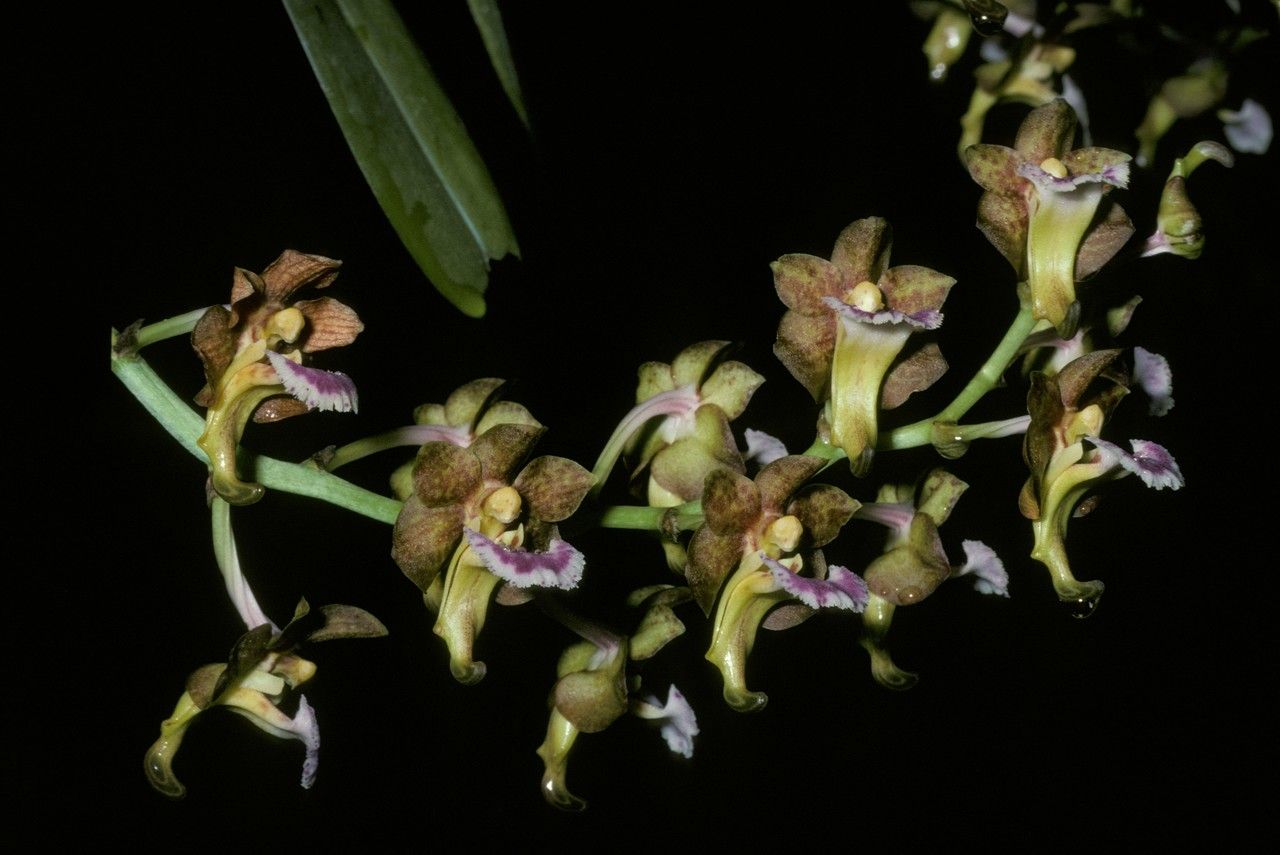
Hello, fellow plant lovers! Today, we’re going to dive into the wonderful world of propagating Vanda flabellata. It’s such a striking orchid, isn’t it? Those beautiful, fan-shaped leaves and lovely blooms are truly a sight to behold. And the best part? You can create more of these beauties yourself! Propagating orchids like this can feel a bit daunting at first, but I promise you, with a little patience and the right know-how, it’s a very achievable and incredibly rewarding experience. While Vanda flabellata isn’t the absolute easiest orchid for a complete beginner, it’s definitely within reach if you’re willing to follow a few key steps.
The Best Time to Start
Honestly, the best time to think about propagating your Vanda flabellata is when it’s in a strong growth phase. This usually means after it has finished blooming and is actively producing new leaves and roots. Spring and early summer are generally fantastic times because the warmer temperatures and increased light levels give young plants the energy they need to establish themselves quickly. Avoid trying to propagate during its dormancy or when it’s stressed; you want your divisions or cuttings to have the best possible start.
Supplies You’ll Need
Gathering your supplies before you begin will make the whole process much smoother. Here’s what I always have on hand:
- Sharp, sterile pruning shears or a clean knife: For making precise cuts. Sterilization is key to prevent disease transfer. A quick wipe with rubbing alcohol will do the trick.
- Rubbing alcohol (70% isopropyl): For sterilizing your tools.
- Potting medium: For Vanda flabellata, a very chunky, free-draining orchid mix is essential. Think large bark chips, charcoal, and perlite. Avoid anything that retains too much moisture.
- New pots or containers: Clean pots that are appropriately sized for your new divisions. Small net pots or shallow trays work well for starting.
- Orchid fertilizer: A balanced liquid fertilizer or a bloom-booster for later.
- Rooting hormone (optional but recommended): For encouraging faster root development. Look for one specifically for orchids or cuttings.
- Sphagnum moss (long-fibered): Excellent for retaining a bit of moisture while allowing excellent aeration around new roots.
- Watering can or spray bottle: For gentle watering.
Propagation Methods
For Vanda flabellata, division is the most common and successful method. This orchid typically grows into a clump, making it relatively easy to separate sections.
Method: Division
- Prepare your orchid: Gently remove your Vanda flabellata from its pot. You might need to carefully loosen the potting mix from the roots to get a clear view of the rhizome (the stem that connects the leaves and roots).
- Identify growth points: Look for where new fans of leaves are emerging or where there are well-developed root systems attached to the main plant. You want to divide the plant into sections that have at least two or three healthy leaves and a good set of roots.
- Make the cut: Using your sterilized pruning shears or knife, carefully cut through the rhizome to separate the sections. Make a clean cut. If you are separating a very small division, you might use a bit of rooting hormone on the cut surface.
- Pot the divisions: Place each new division into its own clean pot. I like to use net pots or shallow containers for a few months. Add your chunky orchid mix, nestling the roots gently. You can tuck a bit of sphagnum moss around the base to help retain slight moisture while allowing air circulation. The goal is for the roots and base of the plant to dry out relatively quickly.
- Initial watering: Water very sparingly at first. You don’t want the cut surfaces to sit in soggy media. A light misting might be all that’s needed for the first week or so, allowing the plant to adjust.
The “Secret Sauce” (Pro Tips)
Here are a couple of things I’ve learned over the years that make a big difference:
- Don’t overcrowd: When repotting, give your divisions a little breathing room. This chunky orchid mix needs air to flow freely around the roots. Overcrowding leads to stagnant air and can encourage rot.
- Patience with roots: Especially after division, Vanda flabellata might take a little while to settle in and show new root growth. Don’t be tempted to overwater or fuss too much. Let the plant tell you when it’s ready for more. Keep an eye out for new leaf tips or the appearance of tiny white root nubs.
Aftercare & Troubleshooting
Once your divisions are potted up, the real work of nurturing begins. For the first few weeks, mist lightly rather than watering thoroughly. You want the potting mix to dry out between waterings. As the plant starts to show signs of new growth (new leaves unfurling or those exciting little white root tips appearing), you can gradually increase your watering frequency.
Keep an eye out for signs of rot. This is the most common problem. If you see mushy, black leaves or roots, it’s usually a sign of too much moisture and poor air circulation. Unfortunately, sometimes a rotten division cannot be saved. Remove any affected parts immediately with sterilized tools and ensure the remaining plant has excellent drainage and airflow. If your division looks healthy but just isn’t growing, this is often a sign that it needs more time to establish its root system.
A Encouraging Closing
Propagating Vanda flabellata is a beautiful journey, and seeing a new plant flourish from a division is incredibly satisfying. Be patient with yourself and your new plants. Each one is a little miracle. Enjoy the process, learn from any setbacks, and soon you’ll be surrounded by even more of these gorgeous fan-leaved orchids! Happy growing!
Resource: