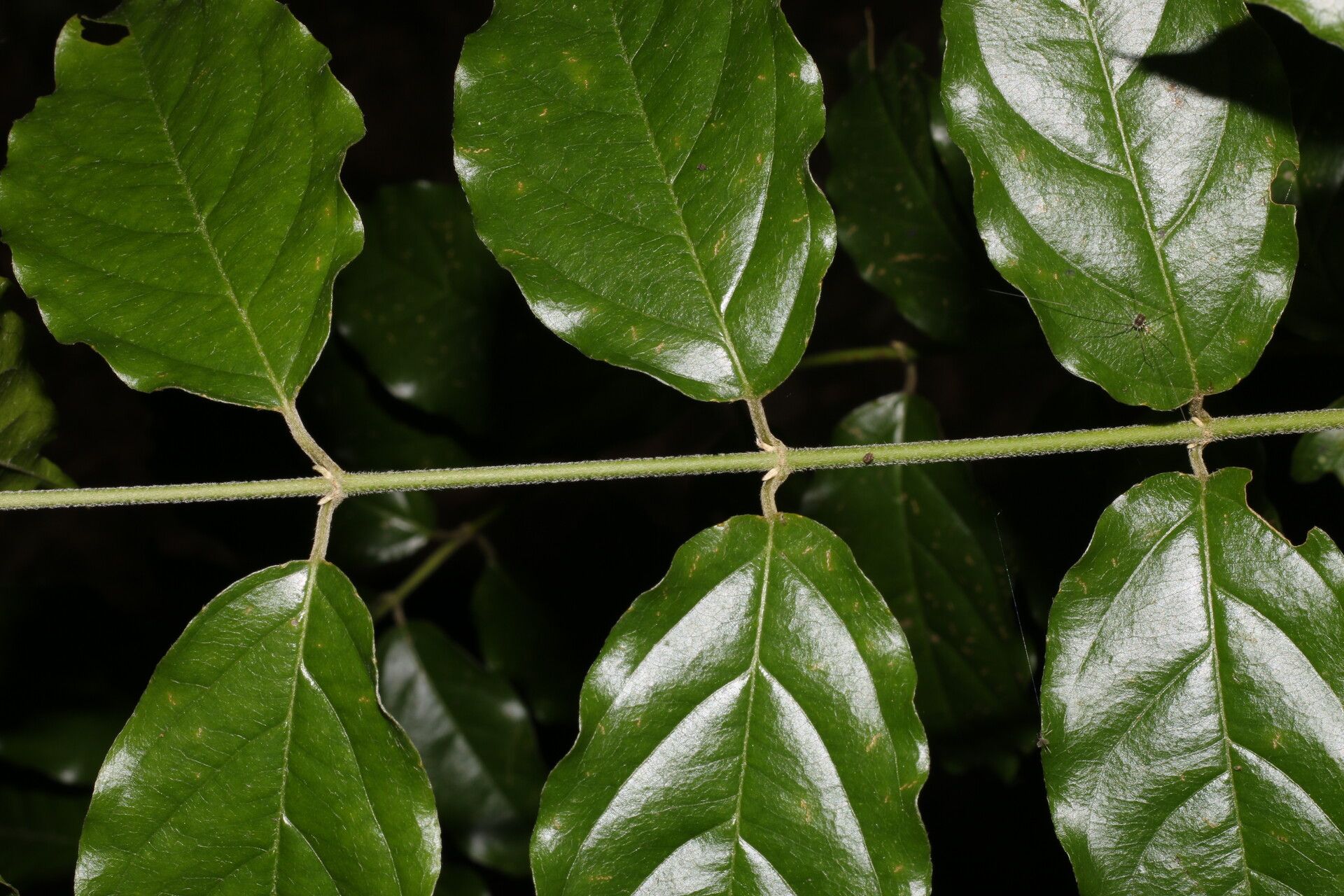
Oh, hello there! Pull up a chair and let’s chat about a truly delightful plant: Tetrapterys schiedeana. If you haven’t met this beauty yet, imagine vibrant, sun-loving blooms in shades of yellow and orange, often with a lovely fragrance, cascading over a trellis or arch. It’s pure sunshine in plant form! And the best part? Nurturing a new one from a piece of an existing plant is incredibly rewarding. It’s not the absolute easiest plant for a total beginner, but with a little care and attention, you’ll be celebrating success in no time.
The Best Time to Start
For Tetrapterys schiedeana, I find the late spring to early summer is usually your sweet spot. This is when the plant is actively growing, pushing out new, tender shoots. These are the soft, new stems that are most receptive to forming roots. Trying to propagate from older, woody stems can be a bit more challenging.
Supplies You’ll Need
Here’s what you’ll want to gather before you get started:
- Sharp, clean pruning shears or a sharp knife. Sterilize them with rubbing alcohol to prevent disease.
- A good quality potting mix. I like a blend that’s well-draining. A mix of perlite and peat moss, or a good seed-starting mix, works wonders.
- Rooting hormone. This is a powder or gel that encourages root development. It’s not strictly essential for every plant, but it really gives cuttings a boost.
- Small pots or containers. Clean ones are a must!
- A spray bottle. For misting.
- (Optional, but very helpful) A plastic bag or clear dome. To create a humid environment.
- (Optional, but highly recommended) A heating mat. Bottom heat can make a huge difference.
Propagation Methods
Let’s get our hands dirty with a few tried-and-true methods for Tetrapterys schiedeana.
Stem Cuttings
This is my go-to method for this plant.
- Take the Cuttings: Look for healthy, new growth. You want stems that are flexible but not floppy. Cut stems that are about 4-6 inches long, just below a leaf node (where a leaf attaches to the stem). Remove the lower leaves, leaving just a couple at the top.
- Dip in Rooting Hormone: Lightly moisten the bottom inch of the cutting. Then, dip the end into your rooting hormone, tapping off any excess.
- Pot Them Up: Fill your small pots with your prepared potting mix. Make a little hole in the center of the soil with your finger or a pencil. Gently insert the cutting into the hole, making sure the rooting hormone stays on the cut end. Firm the soil gently around the base of the cutting.
- Water and Cover: Water the soil thoroughly but avoid making it soggy. You can then cover the pot with a plastic bag or a clear dome to create a mini-greenhouse. Poke a few holes in the bag for ventilation.
Water Propagation
This is a lovely, visual way to watch roots form.
- Prepare the Cuttings: Similar to stem cuttings, select healthy, non-woody stems about 4-6 inches long. Remove all but the top couple of leaves.
- Submerge Carefully: Place the cuttings in a vase or jar of clean, room-temperature water. Make sure that no leaves are submerged in the water. Leaves that sit in water will rot and can kill your cutting.
- Change Water Regularly: Change the water every couple of days, or whenever it starts to look cloudy. This keeps it fresh and oxygenated.
The “Secret Sauce” (Pro Tips)
Here are a couple of things I’ve learned over the years that can really help your Tetrapterys schiedeana cuttings thrive:
- Bottom Heat is Your Friend: If you’re using stem cuttings, placing the pots on a gentle heating mat really encourages root formation. Think of it as giving the roots a warm hug to encourage them to grow. You want the soil temperature to be around 70-75°F (21-24°C).
- Don’t Rush Them: Patience is key with propagation. Some plants are lightning-fast rooters, others are more leisurely. For Tetrapterys schiedeana, I often find it can take several weeks to a couple of months to see significant root development. Resist the urge to dig them up too early to check!
Aftercare & Troubleshooting
Once your cuttings have established roots – you’ll see new growth or feel resistance when you gently tug on the stem for cuttings in pots, or you’ll see a good network of roots for water propagated plants – it’s time for a little more attention.
Carefully transplant rooted stem cuttings into their own individual pots with fresh potting mix. If you used the water method, gently transplant them as you would any seedling. Keep new plants in bright, indirect light and water them when the top inch of soil feels dry. Gradually introduce them to more direct sunlight as they grow stronger.
Now, what if things go wrong? The most common culprit is rot due to overwatering or poor drainage. If your cuttings look mushy or dark at the base, it’s often a sign of too much moisture. Sadly, once rot sets in, it’s usually difficult to save. Another sign of failure is if the leaves start to yellow and drop off, and you see no signs of new growth. This could mean they aren’t getting enough light, or they’re too dry.
A Little Encouragement
Propagating plants is a wonderful journey. It’s a chance to connect with nature and replicate the beauty you love. Don’t be discouraged if your first attempt isn’t perfect. Each time you try, you learn a little more, and that’s the real magic of gardening. So, be patient with your little cuttings, enjoy watching them grow, and soon you’ll have a whole sunny garden of Tetrapterys schiedeana to share! Happy propagating!
Resource: