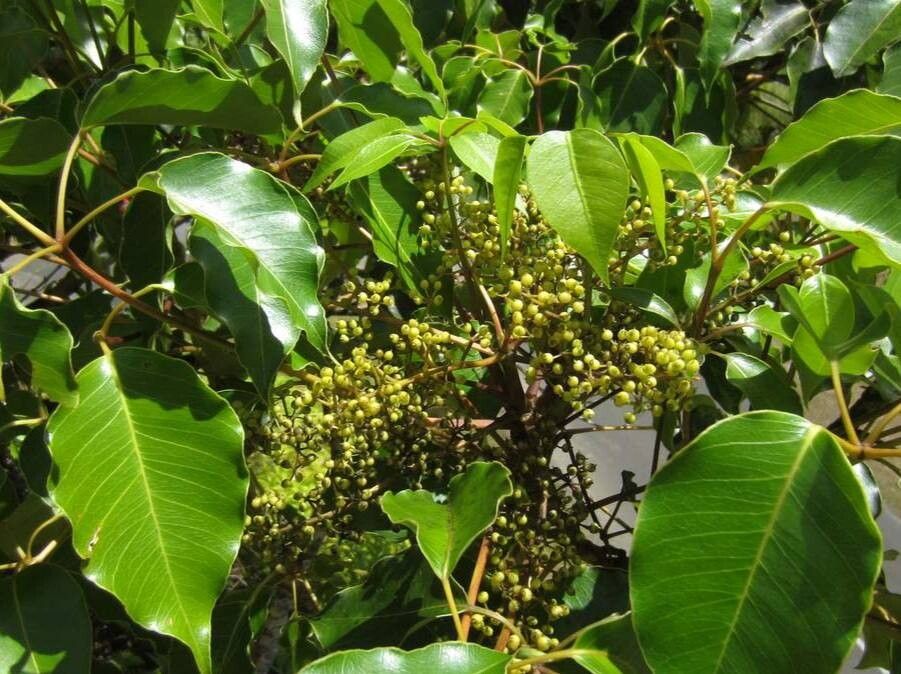
Hello, fellow plant lovers! I’m so excited to talk to you today about a plant that’s really captured my heart: Sciodaphyllum attenuatum. If you’re dreaming of lush, tropical foliage and a touch of the exotic for your home, this beauty is for you. Its distinctive, glossy leaves add such a unique texture to any space.
Now, I know you might be wondering if it’s a fuss to propagate. Honestly, Sciodaphyllum attenuatum is a rewarding plant to work with, but it’s not always a slam dunk for absolute beginners. It requires a little attention to detail, but with these tips, I’m confident you can have success. Seeing those first tiny roots emerge is such a thrill!
The Best Time to Start
For the highest success rate with Sciodaphyllum attenuatum, I always recommend working with it during its active growing season. This is typically in late spring through summer. You want to choose healthy, vigorous stems that are actively producing new growth. Avoid taking cuttings from plants that are stressed, dormant, or have just finished flowering. Think of it like this: you’re asking the plant for a little piece of itself to grow into a whole new life, and it’s always best to ask when it’s feeling strong and vibrant.
Supplies You’ll Need
Gathering your supplies beforehand makes the whole process much smoother. Here’s what I always have on hand:
- Sharp, clean pruning shears or a sharp knife: For making clean cuts.
- Rooting hormone (optional but recommended): This can really give your cuttings a boost. Look for one formulated for stem cuttings.
- A well-draining potting mix: I usually use a blend of peat moss, perlite, and a little bit of coco coir. A good general houseplant mix amended with extra perlite works too.
- Small pots or cell trays: About 4-6 inches deep are ideal for cuttings. Make sure they have drainage holes!
- Clear plastic bags or a propagation dome: To create a humid environment.
- A warm location: Near a bright window, but out of direct, scorching sun.
Propagation Methods
My go-to method for Sciodaphyllum attenuatum is stem cuttings. It’s reliable and gives you the best chance of getting a well-established plant.
- Select Your Cutting: Choose a healthy stem that’s at least 4-6 inches long and has several sets of leaves.
- Make the Cut: Using your clean shears or knife, make a clean cut just below a leaf node (the point where a leaf attaches to the stem). This is where new roots are most likely to form. Remove the bottom leaves from the cutting, leaving about 2-3 leaves at the top.
- Apply Rooting Hormone (Optional): If you’re using rooting hormone, dip the cut end into the powder or gel, tapping off any excess.
- Plant the Cutting: Fill your pot with your prepared potting mix. Make a small hole with your finger or a pencil, and gently insert the cut end of the stem, ensuring the node(s) you removed leaves from are buried. Firm the soil gently around the cutting.
- Water and Cover: Water the soil thoroughly until it’s evenly moist. Then, place the pot inside a clear plastic bag or under a propagation dome to create a mini-greenhouse. This is crucial for maintaining humidity.
The “Secret Sauce” (Pro Tips)
Here are a couple of my tried-and-true tips that I’ve found make a real difference:
- The Humidity Chamber is Key: Sciodaphyllum attenuatum absolutely loves humidity, especially when it’s trying to root. That plastic bag isn’t just for show; it keeps that life-giving moisture around your cutting. However, don’t let the leaves touch the plastic bag. If they do, they can start to rot. You can use stakes or skewers to prop the bag away from the leaves.
- Bottom Heat is Your Friend: If you can provide a little gentle warmth from underneath, it significantly speeds up the rooting process. A seedling heat mat is perfect for this. The warmth encourages root development without overtaxing the developing roots with too much heat from above.
Aftercare & Troubleshooting
Once your cutting is planted and covered, place it in a bright spot out of direct sunlight. Keep the soil consistently moist but not waterlogged. You should start to see signs of rooting within 4-8 weeks. You can gently tug on the cutting – if there’s resistance, roots have formed. At this point, slowly begin to acclimate your new plant to ambient humidity by opening the plastic bag for a few hours each day, gradually increasing the time over a week.
The most common issue you might encounter is rot. If you see mushy, brown stems, it’s usually a sign of too much moisture and not enough air circulation. Ensure your soil drains well and you’re not overwatering. If you spot rot early, you might be able to salvage a healthy part of the stem to try again.
A Little Patience Goes a Long Way
Propagating plants is a beautiful dance between nature and patience. Don’t get discouraged if your first attempt isn’t perfect. Each cutting is a learning opportunity. Enjoy the process, celebrate the small wins, and soon you’ll have more of these gorgeous Sciodaphyllum attenuatum to share with friends or just to fill your home with their lush charm. Happy propagating!
Resource: