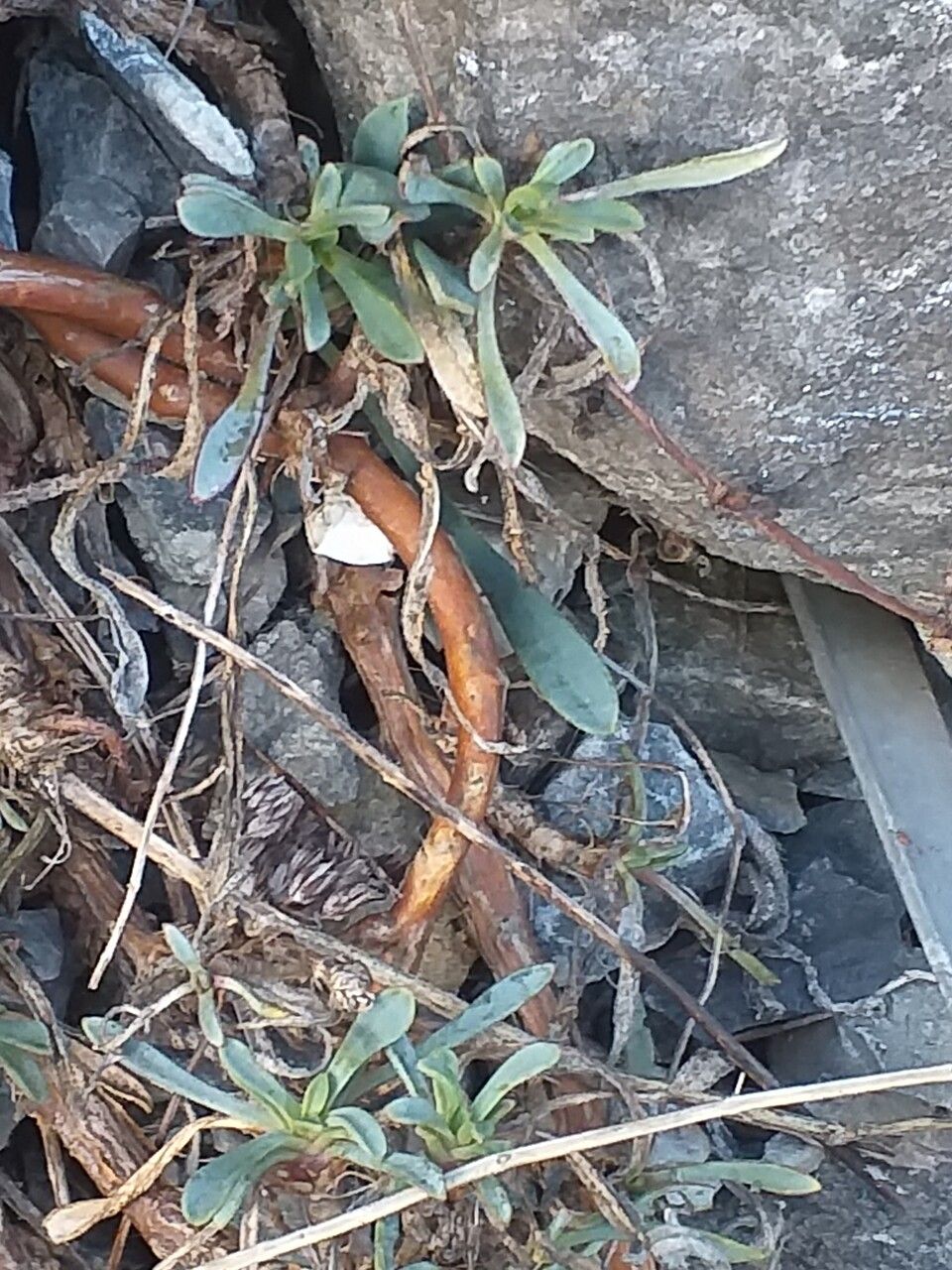
Oh, Saponaria cypria! What a gem. If you’re dreaming of filling your garden with those delightful clusters of rosy-pink blooms, you’re in for a treat. This Cyprian native brings a touch of Mediterranean charm, and propagating it yourself is not only incredibly rewarding but also surprisingly straightforward. Don’t let its exotic name fool you; it’s a wonderfully forgiving plant to multiply.
The Best Time to Start
For the most success, I find that early spring is your golden ticket. As the plant starts to awaken from winter dormancy and put on fresh, vigorous growth, it’s the perfect time to take cuttings. You can also have a good go at it in late summer, after the main flowering flush has passed. Just aim for stems that are firm but not woody.
Supplies You’ll Need
Here’s what I always have on hand when I’m ready to get propagating:
- Sharp pruning shears or a clean knife: For making clean cuts.
- Rooting hormone (optional, but helpful): A little powder can give those cuttings a boost.
- A well-draining potting mix: I like a mix of equal parts perlite and peat moss, or a good quality seed-starting mix.
- Small pots or seed trays: Clean ones are key to preventing disease.
- A spray bottle: For misting.
- Plastic bags or a propagator lid: To create a humid environment.
Propagation Methods
Let’s get our hands dirty! Here are my go-to methods for Saponaria cypria:
Stem Cuttings
This is my absolute favorite way to go for Saponaria cypria.
- Select your stems: Look for healthy, non-flowering stems that are about 4-6 inches long.
- Make the cut: Using your clean shears, cut just below a leaf node (where a leaf meets the stem).
- Prepare the cutting: Gently remove the lower leaves, leaving only the top couple of leaves intact. If you’re using rooting hormone, dip the cut end into the powder, tapping off any excess.
- Plant your cuttings: Insert the cut end into your prepared potting mix, about an inch deep. Gently firm the soil around the stem.
- Create humidity: Water the soil lightly using your spray bottle or by setting the pots in a tray of water until the soil is moist. Then, cover the pots with a clear plastic bag or propagator lid. This traps moisture and creates a mini greenhouse.
Division
If you have a well-established clump, division is a fantastic, almost instant way to get new plants.
- Dig it up: Gently excavate the entire plant, trying to keep as much of the root ball intact as possible.
- Separate the divisions: You can often pull dense clumps apart with your hands. If it’s a bit stubborn, a clean trowel can help you slice through the root ball into sections. Make sure each division has at least one or two growing points and some roots.
- Replant immediately: Pot up your new divisions into well-draining soil, watering them in well.
The “Secret Sauce” (Pro Tips)
Here are a few tricks I’ve learned over the years that really make a difference:
- Bottom Heat is Your Friend: For stem cuttings, placing your pots on a heating mat can significantly speed up root development. It mimics the warmth they’d find in spring soil.
- Don’t Drown Your Cuttings: While humidity is crucial, waterlogged soil is the enemy. Make sure your potting mix drains freely, and I like to water thoroughly once and then rely on the misting and the humidity dome.
- A Gentle Breeze: Once you see new growth on your cuttings, it’s time to gradually acclimate them to normal air. Start by opening the plastic bag or propagator lid for a few hours each day, increasing the time over a week or so.
Aftercare & Troubleshooting
Once roots appear (you can often tell by a slight tugging resistance or by looking for new leaf growth), it’s time to move your little ones to slightly larger pots if they are in seed trays. Still keep them in a bright, indirect light spot and maintain good humidity for a little while longer.
The most common problem you’ll encounter is rot. If a cutting turns black and mushy, it’s usually a sign of too much moisture in the soil and not enough air circulation. If you see this, remove the affected cutting immediately to prevent it from spreading and try to improve drainage for the others.
A Encouraging Closing
Propagating plants is a journey, and with Saponaria cypria, it’s a wonderfully accessible one. Be patient with your little cuttings. Some will take off right away, while others might be a bit slower. Keep them healthy, give them a bit of protection, and enjoy the magic of watching new life spring forth from your efforts. Happy gardening!
Resource:
https://identify.plantnet.org/k-world-flora/species/Saponaria%20cypria%20Boiss./data