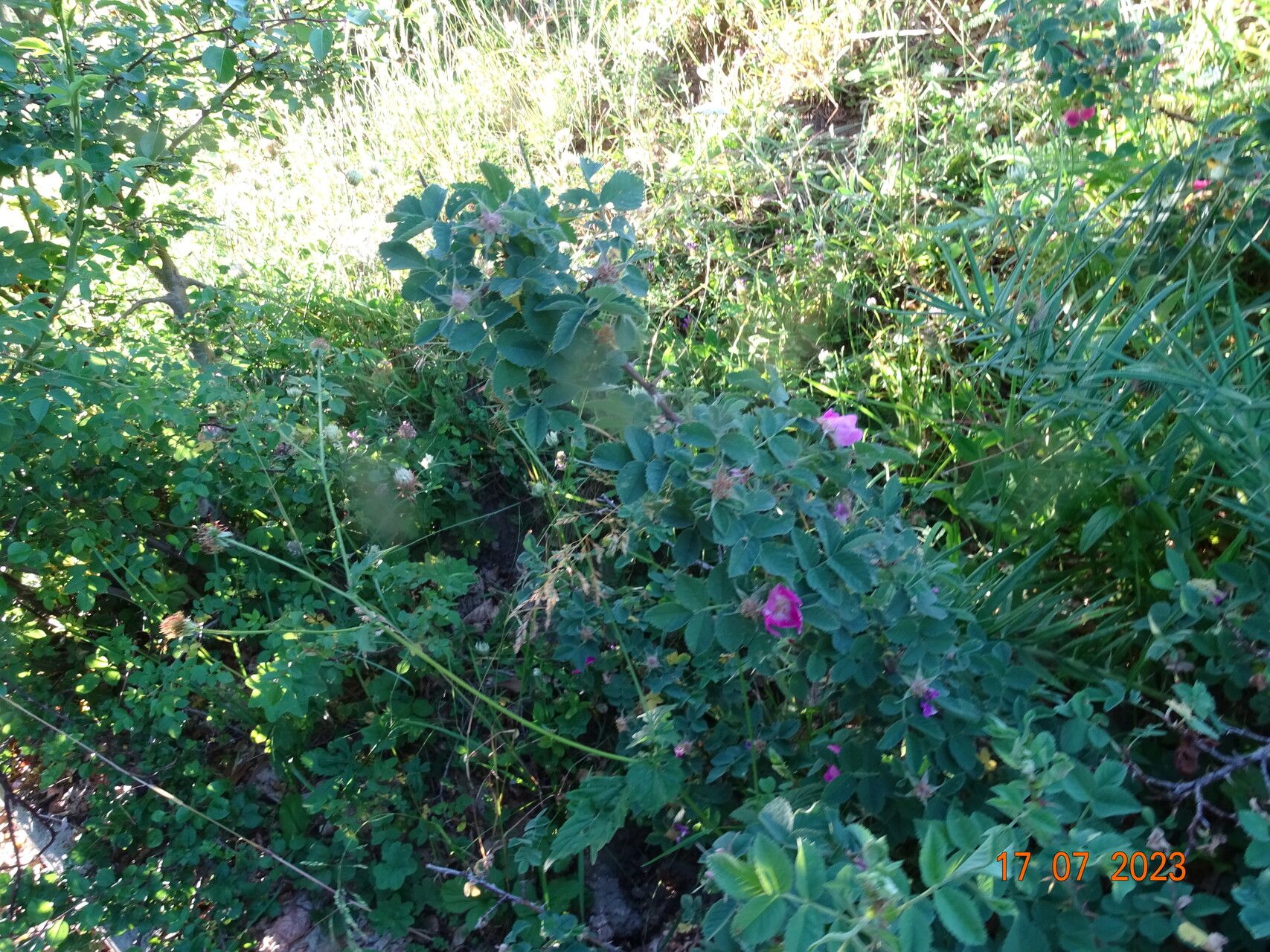
Hey there, fellow garden lovers! Today, we’re diving into the wonderful world of propagating Rosa heckeliana. I’ve been growing and tinkering with roses for two decades now, and let me tell you, there’s a special kind of joy in coaxing a brand new life from just a little piece of an established plant. Rosa heckeliana, with its charming, often single blooms and robust nature, is a real gem. Propagating it isn’t just about getting more plants; it’s about connecting with nature’s resilience and adding to your own garden’s story. For those just starting out, these roses can be a little bit of a challenge, but don’t let that deter you! With a few key pointers, you’ll be well on your way to success.
The Best Time to Start
Generally, I find that the sweet spot for propagating Rosa heckeliana is late spring to early summer, right as the plant is in its active growth phase. You’re looking for stems that have hardened off a bit – they won’t be bright green and floppy like brand new growth, but they also won’t be woody and stiff. Think of them as being somewhere in between, often referred to as “semi-hardwood.” This is when they have enough stored energy to sprout roots but are still supple enough to respond well to propagation.
Supplies You’ll Need
Before we get our hands dirty, let’s gather our toolkit. Having everything ready makes the process much smoother:
- Sharp, clean pruning shears or a sharp knife: Crucial for making clean cuts that heal properly.
- Rooting hormone powder or gel: This isn’t strictly necessary for every rose, but it can significantly boost your success rates, especially with trickier varieties.
- Small pots or seed trays: Clean ones, of course! About 4-6 inches deep are ideal.
- Well-draining potting mix: I prefer a blend of equal parts peat moss or coco coir, perlite, and a bit of compost. This airy mix prevents waterlogging.
- Plastic bags or a propagator lid: To create a humid environment for your cuttings.
- Labels and a permanent marker: Don’t rely on memory once you have several cuttings!
- A small trowel or dibber: For making holes in the soil.
Propagation Methods
While you can sometimes find success with water propagation, my go-to for Rosa heckeliana is stem cuttings. It’s reliable and gives you the best chance of a strong root system.
Here’s how I do it:
- Take Your Cuttings: On your chosen day (late spring/early summer!), select healthy, non-flowering stems from your Rosa heckeliana. Using your clean shears, cut 6-8 inch sections of the semi-hardwood stem. Make the cut just below a leaf node (where a leaf meets the stem). The bottom cut should be at a slight angle to maximize surface area for rooting.
- Prepare the Cuttings: Gently remove all but the top two or three leaves. You can even cut larger leaves in half to reduce water loss. If you have any leaves down near the bottom cut, remove them entirely – these can rot in the soil.
- Apply Rooting Hormone: Dip the bottom one inch of each cutting into your rooting hormone. Tap off any excess. This stuff really encourages those roots to form!
- Plant the Cuttings: Fill your clean pots with your well-draining potting mix, leaving about an inch of space at the top. Use your trowel or dibber to create a hole in the center of the soil. Gently insert the treated end of your cutting into the hole, ensuring the node where you removed the leaves is buried. Firm the soil gently around the cutting.
- Water and Cover: Water your cuttings thoroughly until water drains from the bottom of the pot. This settles the soil around the cutting. Then, cover the pot with a clear plastic bag or place it in a propagator. Make sure the leaves don’t touch the plastic if possible – this can lead to fungal issues.
The “Secret Sauce” (Pro Tips)
Now, for a couple of those little tricks I’ve picked up over the years that can make a real difference:
- Bottom Heat is Your Friend: If you have access to a heat mat, placing your pots on one can be a game-changer. Gentle bottom heat encourages root development significantly, even in less-than-ideal conditions. Just ensure it’s not too hot – think lukewarm bath water, not boiling!
- Cleanliness is Paramount: I can’t stress this enough. Always use sterilized tools and pots. Any lingering bacteria or fungal spores can spell disaster for your delicate cuttings. Wiping your shears with rubbing alcohol between each cut is a habit worth cultivating.
- Don’t Be Afraid to “Wiggle”: Once you think your cuttings have rooted (usually after 4-8 weeks), resist the urge to yank them out to check! A gentle tug can tell you if there’s resistance. If there is, they’re starting to establish. If they come out easily, they likely haven’t rooted yet.
Aftercare & Troubleshooting
Once you see signs of new growth – tiny leaves unfurling or buds forming – that’s usually a good indication that roots have taken hold!
- Acclimatize Gradually: Begin by slowly removing the plastic bag or opening the propagator lid a little more each day over a week. This helps the new plant adjust to lower humidity.
- Keep Them Moist, Not Soggy: Continue to water gently, allowing the surface of the soil to dry slightly between waterings. Avoid overwatering, as this is the quickest way to invite root rot.
- Watch for Trouble: The most common culprit is rot. If your cutting turns black and mushy, or if you see fuzzy white mold on the soil, it’s likely rotted. Unfortunately, there’s not much to be done once rot sets in. Sometimes, you might see cuttings wilting dramatically. This can be a sign of dehydration, but also sometimes of them simply not rooting. Stick with it (pun intended!) and see if they perk up with a good watering. If they don’t recover after a few days, it’s probably time to try again.
A Encouraging Closing
Propagating Rosa heckeliana is a journey, and like any good garden project, it requires a bit of patience and a good dose of optimism. Don’t be discouraged if your first few attempts don’t take. Every gardener has learned through trial and error – I certainly have! The satisfaction of watching those tiny roots develop and then seeing your new rose bush thrive is absolutely worth the effort. So, grab your shears, find those perfect stems, and enjoy the magic of creating new life. Happy gardening!
Resource:
https://identify.plantnet.org/k-world-flora/species/Rosa%20heckeliana%20Tratt./data