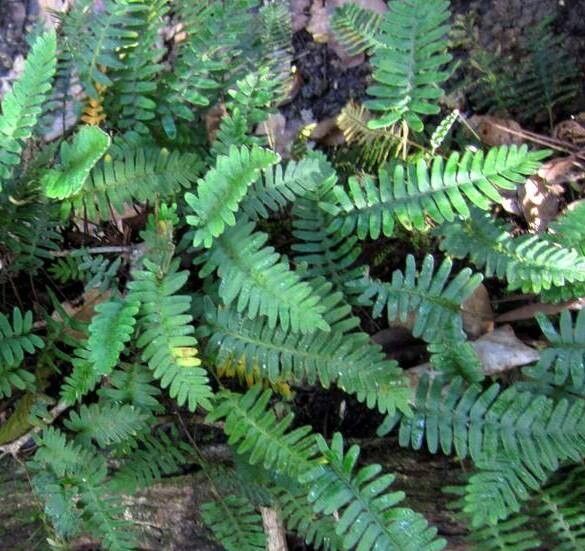
Ah, hello there! If you’ve ever admired the magic of a Resurrection Fern, you’re in for a treat. Pleopeltis polypodioides – that’s the fancy botanical name – is just one of those plants that brings a little bit of enchantment to the garden. They dry out beautifully in tough conditions, only to spring back to vibrant life with a bit of moisture. It’s a resilient beauty, and honestly, propagating them feels like unlocking a little gardening secret.
I’ve been growing these for years, and let me tell you, bringing a new one to life from a piece of an established plant is incredibly satisfying. For those of you just starting out, don’t let the name intimidate you. Resurrection Ferns are actually quite forgiving. They’re a wonderful plant to begin your propagation journey with!
The Best Time to Start
When it comes to giving your Pleopeltis polypodioides the best chance to root, late spring or early summer is my absolute favorite time. The days are getting longer, the temperatures are reliably warm, and the plant is usually in an active growth phase. This means it has plenty of energy to dedicate to developing new roots. Trying to propagate too late in the fall or during the chill of winter can be a bit of a gamble.
Supplies You’ll Need
Gathering your tools beforehand makes the whole process smoother. Here’s what I always have on hand:
- Sharp pruning shears or a clean knife: For making precise cuts.
- A well-draining potting mix: I like a blend of equal parts peat moss, perlite, and a bit of standard potting soil. You want it to hold moisture but not get waterlogged.
- Small pots or propagation trays: With drainage holes, of course!
- Clear plastic bags or a propagator lid: To create a humid environment.
- Rooting hormone (optional but helpful): A powder or gel can give your cuttings a boost.
- Watering can or spray bottle: For gentle watering.
- Warmth (optional but beneficial): A heat mat can speed things up.
Propagation Methods
There are a couple of reliable ways to get more Resurrection Ferns. Division is the most straightforward, and stem cuttings are also quite successful.
1. Division: The Easiest Route
This is your go-to if you have a mature plant that’s getting a bit crowded.
- Gently unpot your existing fern. Try not to disturb the root ball too much at first.
- Inspect the rhizomes. These are the creeping stems that grow along the surface of the soil. You’ll see where healthy new growth is emerging.
- With clean shears or a knife, carefully separate a section that has at least a few fronds and a good portion of healthy rhizome and roots.
- Plant the divided section immediately into a pot with your prepared potting mix.
- Water gently to settle the soil.
2. Stem Cuttings: Patience Rewarded
This method takes a bit more care, but it’s very effective.
- Choose a healthy, vigorous frond. Look for one that’s fully unfurled and shows no signs of stress.
- Make a clean cut near the base of the frond, ensuring you get a good piece of the rhizome attached. Aim for a cutting that’s a few inches long.
- If using rooting hormone, dip the cut end into the powder or gel. Tap off any excess.
- Gently insert the cut end into your prepared potting mix. You can make a small hole with a pencil or your finger first. The rhizome should be mostly covered, with the fronds sitting above the soil line.
- Water sparingly. You want the soil to be moist, not soggy.
- Cover the pot with a clear plastic bag or pop it into a propagator. This traps humidity, which is crucial for cuttings to root. Make sure the fronds don’t touch the sides of the bag, as this can encourage rot.
The “Secret Sauce” (Pro Tips)
Over the years, I’ve picked up a few tricks that really make a difference.
- Don’t drown your cuttings! This is probably the most common mistake. While they need humidity, soggy soil is a fast track to rot. Let the very top layer of soil dry out slightly between waterings.
- Bottom heat is your friend. Placing your pots on a warm windowsill or, even better, a gentle seedling heat mat can significantly speed up the rooting process. Resurrection Ferns love a bit of warmth.
- Think like nature. Resurrection Ferns grow naturally by creeping over surfaces. When you divide or take cuttings, focus on keeping that connection to the rhizome as intact as possible. It’s where the magic happens.
Aftercare & Troubleshooting
Once your cuttings have started to develop roots – you might see tiny white nubs poking out, or the fronds will begin to look perkier – it’s time to ease them out of their bubble.
- Gradually acclimate them to lower humidity. If you used a plastic bag, start by opening it for a few hours each day, then remove it completely over a week or so.
- Keep the soil consistently moist but not wet. This is the same principle as during propagation, but now you can be a little less cautious.
- Avoid direct sunlight. Bright, indirect light is perfect. Too much sun can scorch young, tender growth.
Now, if you see your fronds turning yellow and mushy, or the base of the cutting looks rather dismal, that’s usually a sign of overwatering leading to rot. Don’t despair! Sometimes, it’s just one bad apple. Remove the affected piece, and try again, remembering to be a bit more sparing with the water. If the entire cutting goes limp and brown, it might not have had enough energy to start with, or the conditions weren’t quite right.
A Little Encouragement
Propagating Pleopeltis polypodioides is a journey, not a race. Be patient, observe your little green babies, and trust your instincts. Every gardener has had experiments that didn’t quite work out – I certainly have! But the joy of successfully coaxing a new plant into existence is absolutely worth the effort. Happy propagating, and enjoy watching your Resurrection Ferns flourish!
Resource: