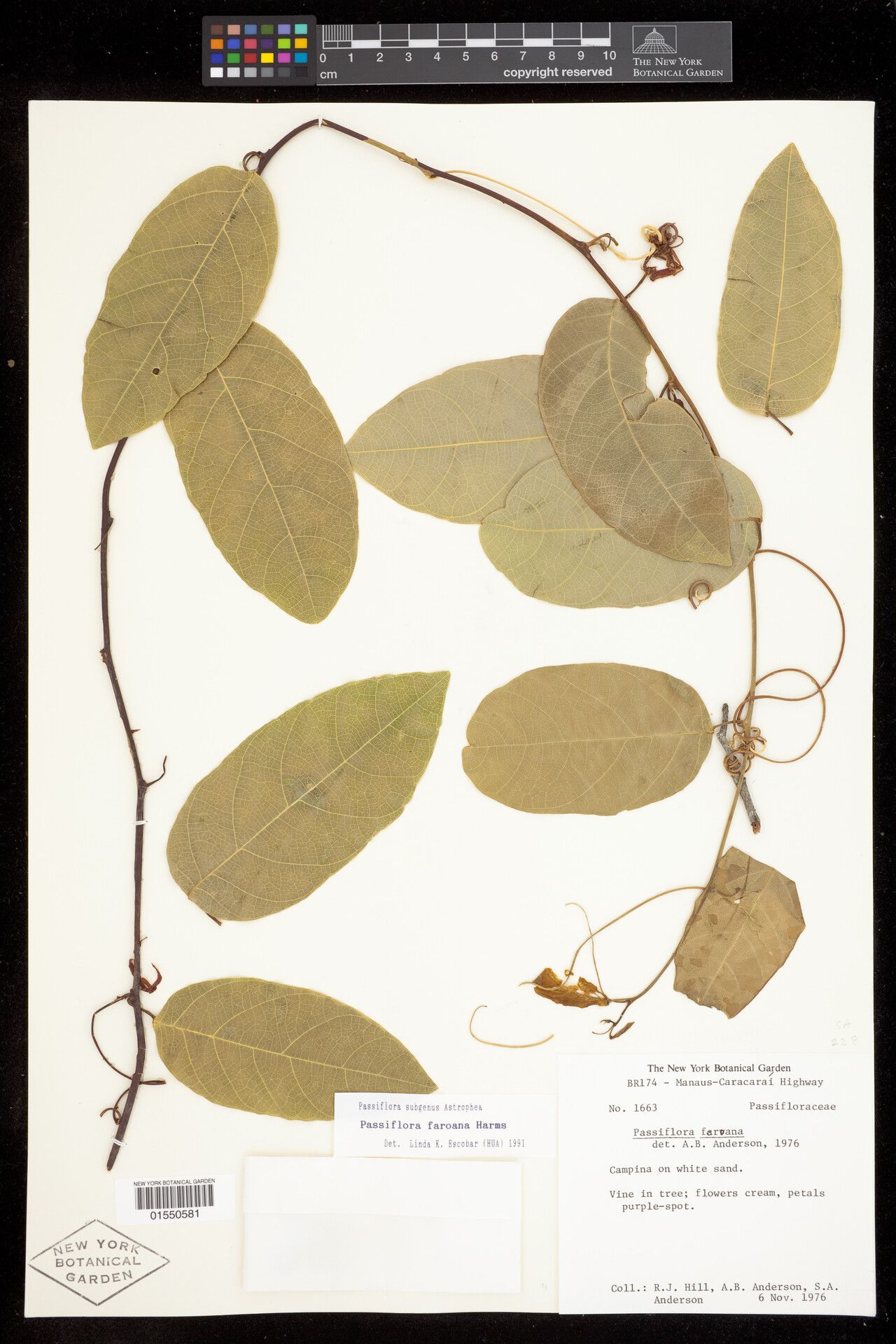
Hello there, fellow plant enthusiasts! Today, we’re diving into the wonderfully whimsical world of Passiflora faroana. If you haven’t met this beauty, imagine a vine that unfurls delicate, intricate flowers, often with a sweet, intoxicating fragrance. It’s a bit of a showstopper, and honestly, bringing a new one to life from just a cutting is a truly joyous experience. Now, for the big question: is it beginner-friendly? While it has its quirks, I’d say it leans towards the “moderately easy” side. With a little patience and a bit of know-how, you’ll be celebrating your own little faroana sprouts in no time.
The Best Time to Start
For the highest success rate with Passiflora, timing is everything. I find that late spring or early summer is your sweet spot. This is when the plant is in its most vigorous growth phase, meaning it has plenty of energy to put into developing new roots. You’re looking for stems that are semi-hardwood. This means they’re not brand new, bright green and floppy, but also not woody and tough. They should snap cleanly when bent.
Supplies You’ll Need
To embark on this propagation adventure, gather these essentials:
- Sharp, clean pruning shears or a sharp knife: For making precise cuts.
- Rooting hormone powder or gel: This isn’t strictly mandatory for Passiflora, but it definitely gives your cuttings a helpful boost.
- A well-draining potting mix: I like a blend of perlite and peat moss or coco coir – a 50/50 mix works great. You can also use a commercial seed-starting mix.
- Small pots or seedling trays: Clean and with drainage holes, of course!
- A clear plastic bag or a propagator: To create a humid environment.
- Optional: A heat mat: This can speed up root development significantly.
Propagation Methods: Stem Cuttings
This is my go-to method for Passiflora. It’s reliable and gives you a good chance of success.
- Take Your Cuttings: Head out to your Passiflora plant with your clean shears. Look for those semi-hardwood stems I mentioned earlier. You want to select pieces that are about 4-6 inches long. Make your cut just below a leaf node (that little bump where a leaf or branch grows from the stem). This is where roots are most likely to form.
- Prepare the Cuttings: Gently remove the lower leaves from your cuttings, leaving just the top two or three leaves. This prevents them from rotting in the soil and helps the plant focus its energy on rooting. If your leaves are quite large, I recommend cutting them in half crosswise. This reduces water loss through transpiration.
- Apply Rooting Hormone: Dip the cut end of each cutting into your rooting hormone. Tap off any excess. This step is super helpful in encouraging robust root growth.
- Pot Them Up: Fill your small pots or trays with your prepared potting mix. Make a small hole in the center of the soil with your finger or a pencil.
- Insert the Cuttings: Gently place the rooting hormone-coated end of the cutting into the hole, ensuring it goes deep enough to be stable. Firm the soil gently around the base of the cutting to make good contact.
- Create a Humid Environment: Water the soil thoroughly but gently, allowing excess water to drain. Then, cover the pot or tray with a clear plastic bag, creating a mini-greenhouse. You can use stakes to keep the bag from touching the leaves. If you’re using individual pots, you can place each one in a ziplock bag.
- Provide Warmth and Light: Place your cuttings in a bright spot, but out of direct, harsh sunlight. If you have a heat mat, now’s the time to use it! Bottom heat can make a huge difference in speeding things up.
The “Secret Sauce” (Pro Tips)
Here are a couple of tricks I’ve learned over the years that really help boost my Passiflora propagation success:
- Don’t let those leaves touch the water! Even if you’re just misting, make sure your cuttings are positioned so the leaves aren’t sitting in any pooled water. This is a surefire way to invite rot.
- Bottom heat is your best friend. Seriously. While Passiflora can root without it, a consistent, gentle warmth from the bottom of the pot encourages the root cells to develop much, much faster. Think of it as giving them a cozy foundation to grow from.
- Be patient with the “snap test.” When you think your cuttings might be rooted, give a very gentle tug on one. If you feel a slight resistance, that’s a good sign roots are forming! Don’t pull too hard, though – you don’t want to disturb developing roots.
Aftercare & Troubleshooting
Once your Passiflora cuttings show signs of growth – like new leaves unfurling – you’re probably on your way to success! You can start gradually acclimatizing them to drier air by opening the plastic bag or propagator a little each day over a week or so. Once they seem happy outside their humid haven, you can remove the covering entirely.
Now, what if things go wrong? The most common culprit is rot. If you notice your cutting turning mushy and black, or if it just wilts and won’t perk up, it’s likely rot has set in. This is often due to:
- Too much moisture: The soil staying soggy for too long. Ensure good drainage!
- Poor air circulation: The stagnant air trapping too much moisture.
- Lack of light: Not enough light means the cutting can’t photosynthesize and support itself.
Don’t be discouraged if you lose a few cuttings. It happens to all of us! It’s often just a matter of tweaking your conditions.
A Gentle Encouraging Note
So there you have it! Propagating Passiflora faroana is a wonderful way to expand your collection or share these beauties with friends. Remember, gardening is a journey, and patience is your most valuable tool. Enjoy the process of nurturing these tiny beginnings, and celebrate every new leaf and root as a victory. Happy propagating!
Resource:
https://identify.plantnet.org/k-world-flora/species/Passiflora%20faroana%20Harms/data