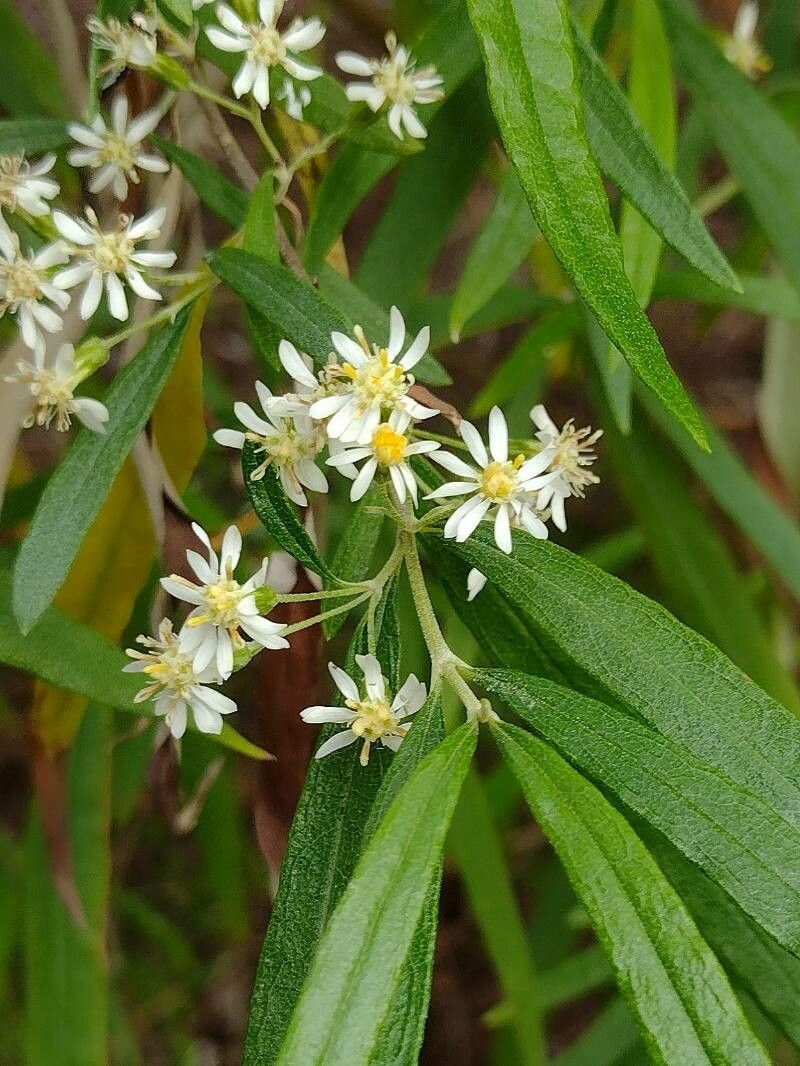
Hello fellow green thumbs! Today, we’re diving into the wonderful world of propagating Olearia viscidula, or as many of us affectionately call it, the Sticky Daisy Bush. If you’re drawn to plants with a bit of fuzzy charm and a profusion of delightful daisy-like flowers, you’ll adore this Australian native. There’s a special kind of satisfaction in coaxing a new plant from a sliver of the old. It’s a true testament to the power of nature, and honestly, it’s incredibly rewarding to see those tiny roots unfurl. Now, for those wondering if this is a beginner-friendly project – I’d say it’s moderately approachable. With a little patience and the right technique, you’ll be well on your way to success!
The Best Time to Start
For the highest success rate with Olearia viscidula, I find late spring to early summer is your golden window. This is when the plant is actively growing, and the new, semi-hardwood shoots have the best energy reserves to develop roots. Think of it like this: the plant is buzzing with life, making it more receptive to this gentle propagation. You want shoots that are flexible enough to bend without snapping, but have started to firm up a bit. Avoid taking cuttings from very soft, new growth or from old, woody stems.
Supplies You’ll Need
Gathering your supplies beforehand makes the whole process smoother. Here’s what I always have on hand:
- Sharp Pruning Shears or a Craft Knife: Clean cuts are essential for preventing disease.
- Rooting Hormone Powder or Gel: This gives those cuttings a helpful boost.
- A Well-Draining Potting Mix: A good blend of perlite, vermiculite, and peat moss or coco coir works wonders. You can buy specific cutting mixes, too.
- Small Pots or Seed Trays: Clean pots are a must to avoid any lingering nasties.
- Plastic Bags or a Propagator Lid: To create a humid environment.
- Labels and a Marker: Trust me, you’ll forget what’s what!
- A Watering Can with a Fine Rose: Gentle watering is key.
Propagation Methods: Stem Cuttings
Stem cuttings are your best bet for Olearia viscidula. It’s reliable and straightforward.
- Select Your Cuttings: Head out on a nice day and look for those semi-hardwood shoots. They should be about 10-15 cm long. Gently snap one off – if it bends a little before breaking, it’s probably just right.
- Prepare the Cuttings: Once you have your cuttings, head back inside. Using your clean pruning shears or knife, trim off the lower leaves. You want to leave just a couple of leaves at the very tip to help with photosynthesis. If the remaining leaves are large, I like to cut them in half horizontally. This reduces water loss from the leaf surface. You can also remove any flower buds you see – we want the plant to focus its energy on root growth, not flowering.
- Apply Rooting Hormone: Dip the cut end of each stem into your rooting hormone. You don’t need a ton; a light coating is usually sufficient. Gently tap off any excess.
- Pot Them Up: Fill your clean pots with your moistened, well-draining potting mix. Make a small well in the center of each pot with your finger or a dibber.
- Insert the Cuttings: Carefully place the hormone-coated end of each cutting into the prepared well. Gently firm the soil around the stem to ensure good contact. Don’t pack it too tightly!
- Water Gently: Water thoroughly but gently using your fine rose watering can. You want the soil to be moist, not waterlogged.
- Create Humidity: Now, cover your pots with a plastic bag, sealing it loosely around the rim, or place them under a propagator lid. This creates a miniature greenhouse effect, keeping the humidity high, which is crucial for preventing the cuttings from drying out before they can form roots. Place them in a bright spot, but out of direct sunlight.
The “Secret Sauce” (Pro Tips)
Here are a couple of things I’ve learned over the years that often make a real difference:
- Bottom Heat is Your Friend: If you have a heated propagator mat, using it can significantly speed up root development. A consistent, gentle warmth from below encourages those roots to emerge much faster. If you don’t have a mat, a warm windowsill can often suffice, but bottom heat is a definite boost.
- Don’t Let the Leaves Touch the Water: If you opt for water propagation (though I find cuttings in soil more successful for Olearia viscidula), make sure none of the leaves are submerged. Leaves sitting in water will inevitably rot, taking your cutting with them. Cut off enough lower leaves so that only the stem is in the water.
Aftercare & Troubleshooting
Once your cuttings are potted up, keep them in that bright, indirect light, and check the moisture levels regularly. The potting mix should stay consistently moist but not soggy. Mist the leaves occasionally if they start to look a bit dry, especially if you notice condensation inside your humidity dome.
You’ll know your cuttings have rooted when you gently tug on them, and there’s a bit of resistance. You might even see new leaf growth starting! This can take anywhere from 4-8 weeks, or sometimes longer. Be patient!
The most common sign of trouble is rot. This usually looks like a blackening and mushy stem at the soil line. It’s often caused by too much moisture and poor drainage. If you see this, sadly, that cutting is likely lost. Prevention is key here, so ensure that well-draining mix and avoid overwatering. Yellowing leaves can sometimes mean not enough light, or occasionally, a sign of stress or overwatering.
A Encouraging Closing
There you have it – your guide to successfully propagating your own beautiful Olearia viscidula. Remember, gardening is a journey, and propagation is one of its most magical parts. Don’t be discouraged if your first few attempts aren’t perfect. Every gardener learns by doing, and each new plant you nurture is a little victory. So grab your pruners, get your hands dirty, and enjoy the fascinating process of bringing more of these cheerful daisies into your life!
Resource:
https://identify.plantnet.org/k-world-flora/species/Olearia%20viscidula%20(F.Muell.)%20Benth./data