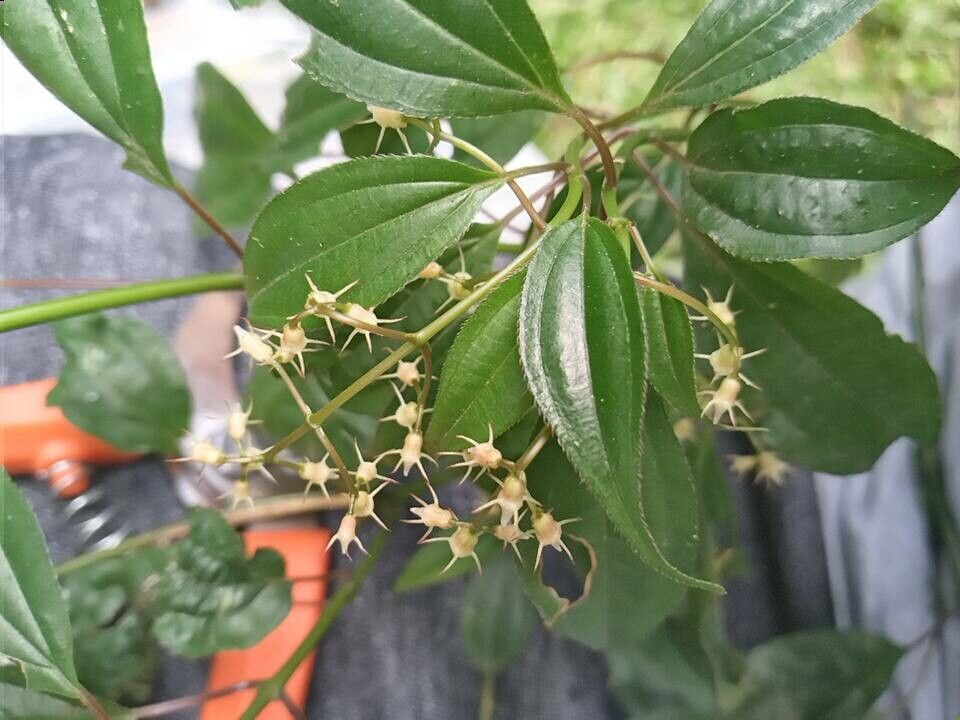
Hello fellow plant lovers! It’s so nice to have you here in my little corner of the garden world. Today, we’re diving into the fascinating process of propagating Miconia ciliolata. If you’ve ever admired its beautiful foliage – that gorgeous blend of deep greens with hints of purple or bronze underneath – you’re in for a treat. Seeing a plant you grew from a tiny cutting flourish is one of life’s simple, yet profound, joys. Now, about Miconia ciliolata… I’d say it’s moderately easy to propagate. It’s not quite as forgiving as, say, a pothos, but with a little attention and the right approach, you’ll be a pro in no time.
The Best Time to Start
For the highest success rate with Miconia ciliolata, I always aim for late spring or early summer. This is when the plant is in its active growth phase. New growth is more vigorous and has a better chance of forming roots. Think of it as when the plant is full of energy, ready to expand!
Supplies You’ll Need
Gathering your supplies beforehand makes the whole process smoother. Here’s what I usually have on hand:
- Sharp, clean pruning shears or a knife: Essential for making clean cuts that heal well.
- Rooting hormone: While not strictly mandatory for Miconia, it can significantly boost your success, especially for softwood cuttings. I prefer a powder form.
- Well-draining potting mix: A blend of peat moss, perlite, and a bit of coarse sand works wonderfully. You want something that doesn’t hold too much moisture.
- Small pots or propagation trays: Clean and of an appropriate size for cuttings.
- Clear plastic bags or a propagator: To create a humid environment around the cuttings.
- Water: For keeping things moist.
Propagation Methods
Let’s get our hands dirty! The most reliable way I’ve found to propagate Miconia ciliolata is through stem cuttings.
Stem Cuttings
This is my go-to method.
- Select your source plant: Choose a healthy, vigorous Miconia ciliolata and identify a stem that has new, but not overly soft, growth. Look for stems that are about 4-6 inches long and have at least two to three sets of leaves.
- Make the cut: Using your sharp, clean shears, make a clean cut just below a leaf node (where a leaf attaches to the stem). This is where roots are most likely to form.
- Prepare the cutting: Gently remove the lower leaves from the stem, leaving just the top two or three sets. This prevents the leaves from rotting once they are in the soil.
- Apply rooting hormone (optional but recommended): Dip the cut end of the stem into your rooting hormone powder, tapping off any excess.
- Plant the cutting: Make a hole in your prepared potting mix using a pencil or your finger. Insert the cutting into the hole, making sure the leaf nodes are below the soil surface. Gently firm the soil around the stem.
- Water and cover: Water the soil gently until it’s moist but not soggy. Then, cover the pot with a clear plastic bag or place it in a propagator. This creates a mini greenhouse effect, keeping humidity high, which is crucial for cuttings. You can use stakes to keep the plastic bag from touching the leaves.
The “Secret Sauce”
Here are a few gems I’ve picked up over the years that really make a difference:
- Bottom Heat is Your Friend: If you have a heat mat designed for seedlings, place your pots on it. Miconia roots are often stimulated by warmth from below. It’s like giving them a cozy little heating pad to encourage root development.
- Don’t Let Leaves Touch the Water: Even with stem cuttings, if you choose to root them in water first (which is less common for Miconia but possible for very young, soft growth), ensure no leaves are submerged. Submerged leaves will inevitably rot and can take the whole cutting down with them. Keep only the nodes in the water.
- Patience with the Callousing: Sometimes, the cut end of the stem might look a little dry or ‘calloused’ before it roots. This is actually a good sign! It means the plant is sealing itself off before sending out roots. Don’t panic if you don’t see instantaneous root wiggling.
Aftercare & Troubleshooting
Once you see new leaf growth appearing from the top of your cutting, it’s a wonderful sign that roots are forming!
- Gradual Acclimation: Slowly start to reduce the humidity over a week or two. This means opening the plastic bag a bit more each day, or lifting the lid of your propagator. You want to transition the new plant to the ambient humidity of your home gradually.
- Regular Watering: Continue to water consistently, allowing the top inch of soil to dry out between waterings. Use your fingertip to check.
- Bright, Indirect Light: Place your new plant in a spot that receives bright, indirect light but avoid direct sun, which can scorch its delicate new leaves.
The most common issue you might encounter is rot. If your cutting turns black and mushy, it’s usually a sign of too much moisture and not enough air circulation. If this happens, unfortunately, it’s best to discard that particular cutting and review your watering habits and mix for the next batch. Another sign of failure is if the leaves turn yellow and drop off without any new growth appearing. This could mean insufficient light or the cutting simply didn’t take.
A Little Encouragement
Propagating plants is all about observation and a bit of faith. Don’t be discouraged if your first attempt isn’t perfect. Each cutting you try, each plant you nurture, teaches you something new. So, take a deep breath, enjoy the process of nurturing new life, and celebrate every little sprout. Happy gardening!
Resource:
https://identify.plantnet.org/k-world-flora/species/Miconia%20ciliolata%20(Cogn.)%20R.Goldenb./data