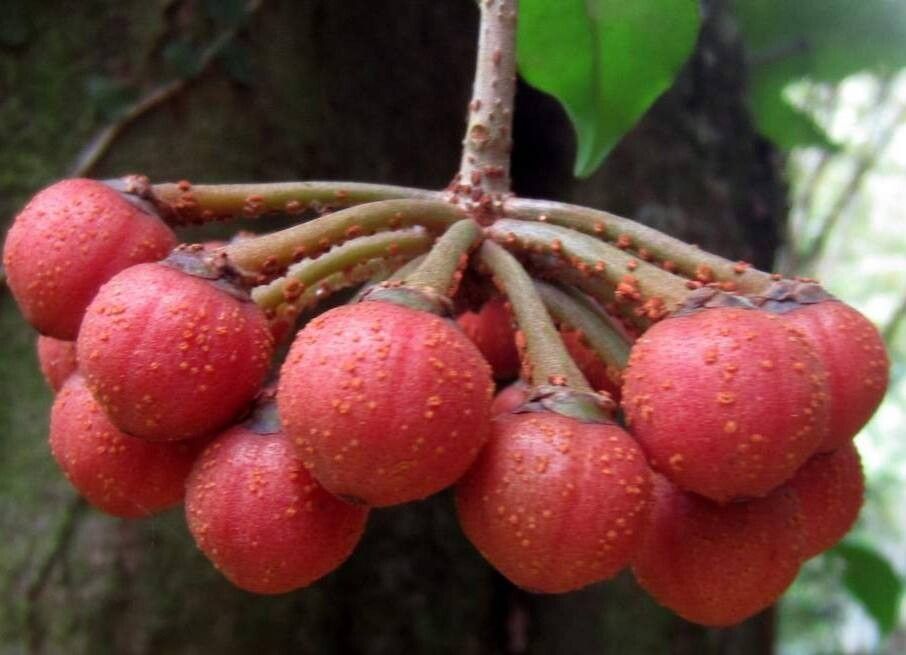
Bringing More “Shadow Orchid” Charm into Your Life: A Guide to Propagating Marcgravia brownei
Oh, Marcgravia brownei! Also known affectionately as the “Shadow Orchid,” this plant just has a certain something, doesn’t it? With its unique, almost leathery leaves and its habit of creeping and climbing, it adds such an interesting texture to any terrarium or hanging basket. And the best part? You can easily multiply that gorgeousness! Propagating Marcgravia brownei is a truly rewarding experience, letting you fill your space (or share with fellow plant lovers!) with this botanical gem. If you’re a beginner, don’t shy away. With a little guidance, you’ll find it quite manageable.
When to Get Your Hands Dirty
The absolute best time to propagate Marcgravia brownei is during its active growing season. Think spring and summer. This is when the plant has the most energy to put into developing roots, meaning you’ll see quicker success. You want to take cuttings from healthy, vigorous stems that aren’t flowering – those are typically older and less inclined to root.
Your Propagation Toolkit
Gathering the right supplies makes all the difference. Here’s what you’ll want to have on hand:
- Sharp Pruning Shears or a Craft Knife: Clean cuts are crucial.
- Potting Mix: A well-draining blend is key. I like to use a mix of perlite, coco coir, and a bit of orchid bark. Something that mimics its natural epiphytic habitat.
- Rooting Hormone (Optional but Recommended): This gives your cuttings a helpful boost. Look for one containing IBA.
- Small Pots or Propagation Trays: Anything that can hold your potting mix and cuttings.
- Clear Plastic Bags or a Propagator: To create a humid environment.
- Water: For misting and, if you choose that method, for rooting.
- Small Sticks or Skewers: To provide support and a way to keep leaves out of water.
Bringing New Life: Propagation Methods
Two methods really stand out for Marcgravia brownei. Let’s dive in!
Stem Cuttings: The Classic Approach
This is probably my go-to. It’s straightforward and effective.
- Select Your Stems: Look for healthy, actively growing stems. You want to take cuttings that are about 4-6 inches long.
- Make the Cut: Using your clean shears or knife, make a clean cut just below a leaf node. A leaf node is where a leaf attaches to the stem – this is where rooting hormones are concentrated.
- Prepare the Cutting: Gently remove the lower leaves. Leave just a couple of leaves at the top. This reduces water loss and prevents leaves from rotting in the soil.
- Apply Rooting Hormone (If Using): Dip the cut end of the stem into your rooting hormone powder or gel, tapping off any excess.
- Plant Your Cuttings: Fill your pots with your well-draining potting mix. Make a small hole in the center with your finger or a pencil. Insert the cut end of the stem into the hole and gently firm the soil around it.
- Water and Cover: Water the soil thoroughly but gently. Then, cover the pot with a clear plastic bag or place it in a propagator. This creates a mini-greenhouse, keeping humidity high, which is what these tropical beauties love.
Water Propagation: Simple and Satisfying
I find this method particularly satisfying because you can actually watch the roots grow!
- Prepare Your Cuttings: Follow steps 1-3 from the stem cutting method.
- Place in Water: Find a clean jar or glass and fill it with room-temperature water. Place your cuttings in the water, making sure no leaves are submerged. If a leaf is too low, snip it off. You can use small sticks or skewers to hold the leaves up if needed.
- Find a Spot: Place the container in a bright spot with indirect light.
- Change the Water: Change the water every few days to keep it fresh and prevent bacterial growth.
The “Secret Sauce” – My Insider Tips
Here are a few little tricks I’ve picked up over the years that really help:
- Bottom Heat is Your Friend: Especially if you’re propagating in cooler months or a less-than-tropical environment, placing your pots on a heat mat can significantly speed up root development. It mimics the warmth of tropical soil.
- Humidity is Paramount: Marcgravia brownei thrives in high humidity. If you’re not using a propagator, misting your cuttings daily can help maintain that crucial moisture in the air. Don’t let them dry out even for a moment.
- Patience, Especially with Water: When propagating in water, you’ll see those little white roots emerge. Wait until they are at least an inch long before you even think about transplanting them into soil. They need to be substantial enough to survive the transition.
Aftercare and When Things Go Wrong
Once you see new leaf growth or notice the cuttings resist a gentle tug, you know roots have formed!
- For Soil-Propagated Cuttings: Gradually acclimate your new plants to lower humidity by opening the plastic bag or propagator a little more each day over a week. Continue to keep the soil consistently moist but not waterlogged.
- For Water-Propagated Cuttings: Once your roots are a good length, gently transplant them into your well-draining potting mix. Water them in well and then follow the humidity acclimation steps above.
The most common issue you’ll encounter is rot. This usually happens because the cuttings are too wet or not getting enough air circulation. If you see blackening or mushy stems, sadly, that cutting is likely lost. Ditch it and try again, ensuring better drainage and possibly more ventilation next time.
Go Forth and Grow!
Watching a tiny cutting transform into a thriving new plant is one of the most satisfying parts of gardening. Be patient with your Marcgravia brownei cuttings, give them consistent care, and most importantly, enjoy the process. Happy propagating!
Resource: