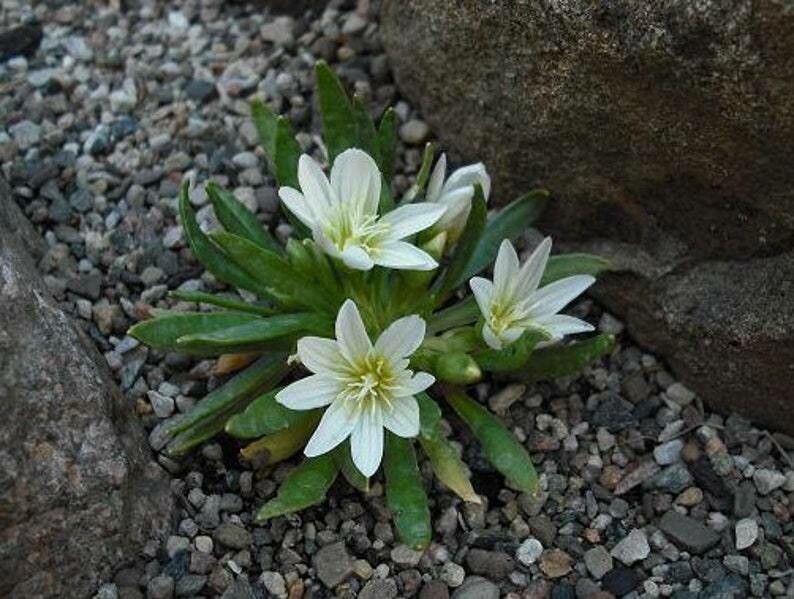
Oh, those lovely Lewisia! If you’ve ever admired the delicate, almost jewel-like blooms of Lewisia nevadensis gracing a rocky garden or a cool, moist crevice, you know their charm. They bring such a unique, airy beauty. And the joy of coaxing a new plant to life from an existing one? Honestly, it’s one of the most satisfying parts of gardening for me. Lewisia nevadensis can be a bit of a prima donna, so I wouldn’t call it a beginner’s first foray into propagation, but with a little care and a keen eye, it’s absolutely achievable!
The Best Time to Start
For Lewisia nevadensis, the sweet spot for propagation is early spring, just as things are waking up and before the heat really settles in. I like to aim for when the plant is actively growing but hasn’t yet put all its energy into blooming. This usually means late March or April here in my neck of the woods. You want to catch them when they’re feeling robust and ready to share their energy!
Supplies You’ll Need
Before we dive in, let’s gather our little helpers. You’ll want:
- Sharp, clean pruning shears or a small craft knife: For making precise cuts. Sterilize them!
- A well-draining potting mix: I use a blend of equal parts perlite, coarse sand, and a good quality seedling mix. The key is excellent drainage.
- Small pots or seed trays: Choose something that fits comfortably in your propagation setup.
- Rooting hormone (optional but helpful): A powder or gel can give your cuttings a little boost.
- A misting bottle: For keeping things humid without waterlogging.
- A dibber or pencil: For making planting holes.
- Clear plastic bags or domes: To create a mini greenhouse effect.
Propagation Methods: Division is My Go-To
While leaf cuttings are sometimes mentioned, I find division to be the most reliable and straightforward method for Lewisia nevadensis. These plants naturally form clumps, so splitting them is like giving them a little haircut and a chance to spread their wings.
Here’s how I do it:
- Gently unpot your Lewisia: Carefully slide it out of its current container.
- Clean away excess soil: Gently brush away the soil from the root ball so you can clearly see where the plant naturally divides.
- Identify natural breaks: Look for areas where the plant’s crowns (where the leaves emerge) are distinct and have their own root system. You can often see these divisions quite clearly.
- Make the cut: Using your sharp shears or knife, carefully separate the divisions. Try to keep as much of the root system intact for each section as possible. If a division seems a bit too stingy on roots, that’s okay; just do your best.
- Plant your new babies: Pot each division in its own small pot filled with your well-draining mix. Make sure the crown is just at the soil surface, not buried too deeply.
- Water gently: Water the newly potted divisions just enough to settle the soil around the roots.
- Create a humid environment: Cover the pots with a clear plastic bag or a propagation dome. This helps prevent the leaves from drying out while they establish.
The “Secret Sauce” (Pro Tips)
Here are a couple of things I’ve learned that make a real difference:
- Don’t overcrowd the pot: When dividing, give each new plant its own space. Cramming them together can lead to competition for resources and potential rot.
- Air circulation is key: While you want humidity, don’t seal them up airtight. Ventilate your propagation bags or domes daily for a few minutes. This helps prevent fungal issues and encourages stronger growth.
- Patience with the roots: Lewisia nevadensis can be a bit slow to show visible signs of new growth, which often means new roots are forming underground. Resist the urge to yank them out to check regularly! Trust the process.
Aftercare & Troubleshooting
Once your divisions seem settled and you start to see new leaf growth, you can gradually acclimate them to less humid conditions by opening the bags or domes more each day. Continue to water sparingly, only when the top inch of soil feels dry.
The biggest challenge you might face is rot. This is almost always a sign of overwatering or poor drainage. If you see leaves turning mushy or the base of the plant becoming soft and discolored, it’s a good indicator that things are too wet. Make sure your soil drains like a sieve and adjust your watering schedule.
A Little Encouragement
Trust your instincts and enjoy the journey. Propagating plants is all about learning and observation. Don’t be discouraged if not every single division takes off. That’s just part of the gardening dance! With a little patience and these tips, you’ll be enjoying more of these exquisite Lewisia in no time. Happy propagating!
Resource:
https://identify.plantnet.org/k-world-flora/species/Lewisia%20nevadensis%20(A.Gray)%20B.L.Rob./data