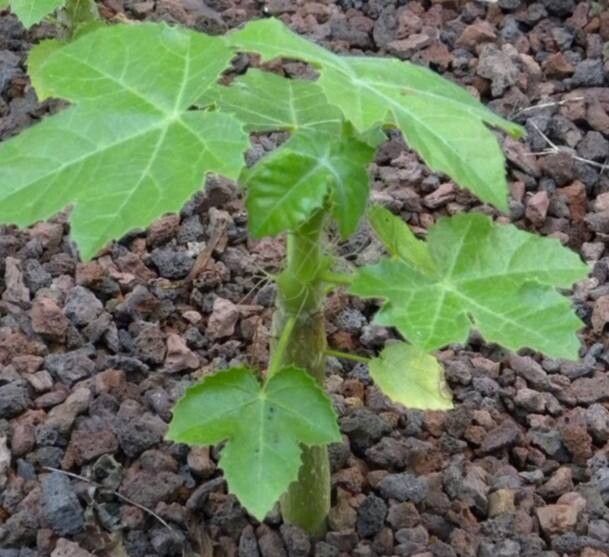
Hello fellow plant lovers! If you’ve ever admired those striking, often architectural Jatropha plants with their vibrant blooms or interesting foliage, you know they’re a real showstopper. And the best part? You can easily bring more of that beauty into your garden (or home!) by propagating them yourself. I’m here to share my tried-and-true techniques for multiplying your Jatropha spicata, so you can have baby plants to share or simply fill every sunny spot.
For Jatropha spicata, getting started is wonderfully accessible. I’d say it’s moderately easy – a fantastic choice for gardeners looking to dip their toes into propagation beyond the absolute basics. The rewards are immense when you see a tiny cutting transform into a healthy, thriving plant. It’s a little slice of garden magic, right in your own hands.
The Best Time to Start
For the highest success rates, I always recommend propagating Jatropha spicata during its active growing season. This generally means late spring through summer. You want to take cuttings from healthy, vigorous stems that are supple but not brand new and floppy. Think of stems that have started to stiffen up a bit – they have enough stored energy to put into rooting.
Supplies You’ll Need
Gathering your tools beforehand makes the process so much smoother. Here’s what I always have on hand:
- Sharp Pruning Shears or a Knife: Clean cuts are crucial.
- Rooting Hormone: While not always strictly necessary for Jatropha, it can give you an extra boost, especially with stem cuttings. I prefer a powdered or gel form.
- Well-Draining Potting Mix: A cactus or succulent mix is ideal. You can also amend a standard potting mix with perlite or coarse sand.
- Small Pots or Seedling Trays: Make sure they have drainage holes!
- Activated Charcoal (Optional but Recommended): A thin layer at the bottom of pots can help prevent fungal issues.
- Watering Can with a Fine Rose or Spray Bottle: Gentle watering is key.
- Plastic Bag or Clear Dome (Optional): To create a mini-greenhouse effect for stem cuttings.
Propagation Methods
Let’s get our hands dirty! Jatropha spicata is quite forgiving, and I’ve had great luck with these methods.
Stem Cuttings
This is my go-to method for Jatropha.
- Select Your Cuttings: Choose healthy stems that are about 4-6 inches long and have at least two leaf nodes (where leaves emerge).
- Make the Cut: Using your sharp shears, make a clean cut just below a leaf node.
- Prepare the Cutting: Gently remove the leaves from the bottom half of the cutting. You can also pinch off any developing flower buds.
- Apply Rooting Hormone (Optional): Dip the cut end into rooting hormone, tapping off any excess.
- Plant the Cutting: Fill your small pots with your well-draining mix. Make a hole in the center with a pencil or your finger, and insert the cutting. Gently firm the soil around it.
- Water Lightly: Water the soil thoroughly but ensure it’s not waterlogged.
- Create a Humid Environment: You can cover the pot with a clear plastic bag (supported by stakes so it doesn’t touch the leaves) or place it under a clear dome. This keeps the humidity high, which baby cuttings desperately need.
- Place in Bright, Indirect Light: Avoid direct sun, which can scorch tender cuttings.
Water Propagation
This is a more visual method, and it’s also quite successful with Jatropha.
- Prepare Your Cuttings: Follow steps 1-3 from the Stem Cuttings method.
- Place in Water: Put your cuttings in a jar or vase filled with clean water.
- The Crucial Detail: This is where the “secret sauce” comes in – ensure no leaves are touching the water. Submerged leaves will rot and can kill your cutting before it even has a chance to root.
- Change Water Regularly: Every few days, change the water to keep it fresh and prevent the growth of algae or bacteria.
- Find a Bright Spot: Place your jar in bright, indirect light.
- Watch for Roots: You should start to see tiny white roots emerge from the nodes within a few weeks.
The “Secret Sauce” (Pro Tips!)
Here are a few things I’ve learned over the years that can really make a difference:
- Bottom Heat is Your Friend: If you’re struggling with rooting, especially for stem cuttings, consider using a seedling heat mat. Warm soil encourages root development significantly. Just place your pots on top.
- Don’t Drown Your Cuttings: This is worth repeating! Overwatering is the fastest way to kill a new propagation. The soil should be consistently moist, not soggy. If you’re unsure, it’s better to err on the side of slightly dry than too wet.
- Airflow is Important: While humidity is good, stagnant air can encourage fungal diseases. If you’re using a plastic bag or dome, open it for a little while each day to allow for good air circulation.
Aftercare & Troubleshooting
Once your cuttings have developed a good root system (you’ll see roots emerging from the drainage holes or feel resistance when you gently tug on the cutting), it’s time to move them into slightly larger pots. Continue to use your well-draining mix and water them as you would a small, established plant.
The most common issue you’ll encounter is rot. This usually stems from overwatering or poor drainage. If you notice mushy, blackened stems or leaves on your cuttings, it’s a sign things have gone awry. Sometimes, you can salvage a cutting by trimming away the rotted parts and letting the rest callus over before trying again with a drier medium. Another sign of failure can be cuttings that simply shrivel and dry up – this often means they’re not getting enough humidity or the light is too intense.
A Happy Ending
Propagating your Jatropha spicata is a journey, and like any good garden endeavor, it requires a bit of patience. Don’t be disheartened if your first attempt isn’t perfect. Each cutting is a chance to learn and refine your technique. Enjoy the process of nurturing these new little lives, and soon you’ll be surrounded by even more of these beautiful plants. Happy propagating!
Resource:
https://identify.plantnet.org/k-world-flora/species/Jatropha%20spicata%20Pax/data