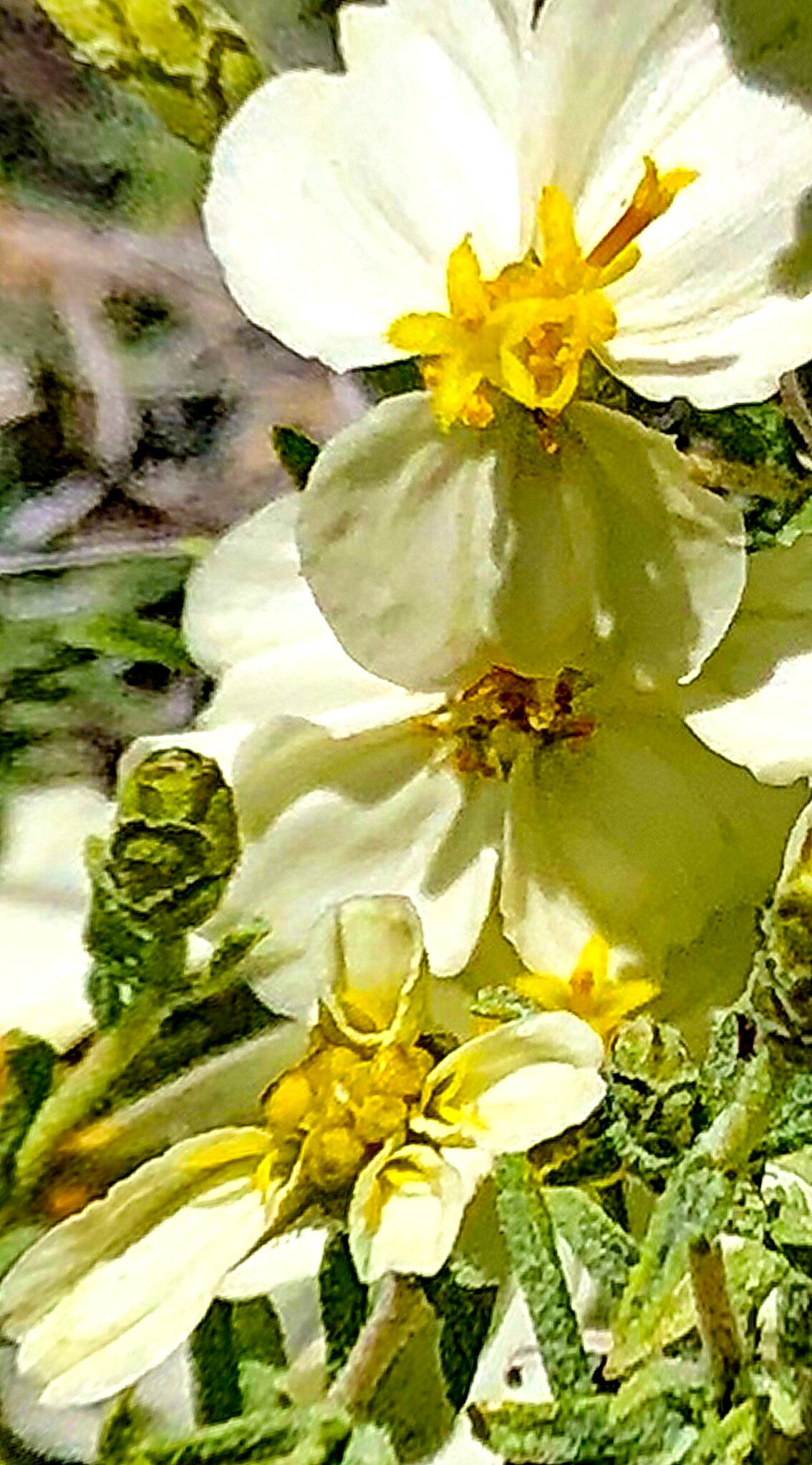
Hello fellow garden enthusiasts! Today, I want to chat about a plant that brings so much sunshine to my desert garden: Zinnia acerosa. This tough little native wildflower, with its bright yellow daisy-like blooms, is a magnet for pollinators and just beams with resilience. If you’re looking for a plant that thrives on a bit of neglect (in a good way!) and is a true joy to have around, this is it. And the best part? It’s surprisingly simple to propagate, even for those just dipping their toes into the gardening world.
The Best Time to Start
For Zinnia acerosa, the sweet spot for propagation is definitely late spring or early summer. You want to catch it when it’s in its active growth phase, usually after the harshest of the spring bloom has passed and before the intense heat of mid-summer really sets in. This gives your cuttings or divisions plenty of time to establish themselves before things cool down for the winter.
Supplies You’ll Need
Ready to get your hands dirty? Here’s what you’ll want to have on hand:
- A sharp, clean pair of pruning shears or scissors.
- A well-draining potting mix. I like to use a cactus/succulent mix, or a blend of potting soil with plenty of perlite or coarse sand.
- Small pots or seedling trays with drainage holes.
- Rooting hormone (optional, but it can certainly give you a boost!).
- A spray bottle for misting.
- A watering can for gentle watering.
- If dividing, a small trowel.
Propagation Methods
Zinnia acerosa is quite versatile, but I find two methods work exceptionally well: stem cuttings and division.
Stem Cuttings: A Classic Choice
This is my go-to for increasing my stock of Zinnia acerosa.
- Take Your Cuttings: In late spring or early summer, look for healthy, non-flowering stems. Using your sharp shears, cut a piece that’s about 4-6 inches long. Make the cut just below a leaf node (where a leaf meets the stem).
- Prepare the Cuttings: Gently remove the lower leaves from the cutting, leaving about 2-3 sets of leaves at the top. This helps prevent rot and encourages root development.
- Apply Rooting Hormone (Optional): If you’re using rooting hormone, dip the cut end of the stem into the powder, tapping off any excess.
- Plant Your Cuttings: Fill your small pots with the well-draining potting mix. Make a small hole with your finger or a pencil and insert the cutting, gently firming the soil around its base.
- Water Lightly: Give the soil a gentle watering from a spray bottle, just enough to moisten it.
Division: For Established Plants
If you have a mature Zinnia acerosa plant that’s looking a bit crowded, division is a fantastic way to share its bounty.
- Excavate Gently: In late spring or early summer, carefully dig around the base of your established plant with a small trowel. Loosen the soil and lift the entire plant from its pot or the ground.
- Separate the Roots: Gently shake off some of the excess soil. You should be able to see where the plant naturally wants to divide into smaller clumps, each with its own root system. Carefully pull or cut these clumps apart. If the roots are tangled, a clean knife or trowel can help.
- Replant Immediately: Pot up each division into its own pot filled with the well-draining potting mix. Water them in lightly.
The “Secret Sauce” (Pro Tips)
Here are a few little tricks I’ve learned over the years that really help boost my success with Zinnia acerosa:
- Don’t Be Afraid of Dry Soil: While you want to keep cuttings moist, they don’t like to sit in soggy conditions. I let the very top layer of soil dry out slightly between waterings. This mimics their native arid environment and discourages rot.
- Indirect Light is Key: Once you’ve potted your cuttings or divisions, place them in a spot that gets bright, indirect light. Direct sun can scorch those delicate new cuttings before they’ve had a chance to root. Think of a bright window or a shaded patio.
- Patience, Sweet Gardener, Patience! Unlike some fussier plants, Zinnia acerosa can take its sweet time to show signs of root growth. Don’t be tempted to pull them up to check too early. I usually wait at least 3-4 weeks before I gently tug – a little resistance means roots are forming!
Aftercare & Troubleshooting
Once you see those first signs of new growth or feel that resistance when you gently tug, congratulations! Your Zinnia acerosa has rooted.
Continue to water sparingly, allowing the soil to dry out a bit between waterings. As they grow stronger, you can gradually introduce them to more direct sunlight. For divisions, they should bounce back fairly quickly.
The most common issue you might encounter is rot. If you see your cutting wilting and the stem turning mushy, it’s likely due to overwatering. Pull the affected cutting, discard it to prevent any spread, and ensure the remaining ones are in a well-draining mix and aren’t being overwatered. Sometimes, this can also happen if the leaves are touching the soil surface for too long.
A Little Encouragement to Finish
Propagating Zinnia acerosa is such a rewarding experience. It’s a wonderful way to connect with nature, fill your garden with more of these cheerful blooms, and share them with friends. Don’t be discouraged if your first attempt isn’t a runaway success. Gardening is all about learning and trying. Just keep at it, observe your plants, and most importantly, enjoy the process! Happy propagating!
Resource:
https://identify.plantnet.org/k-world-flora/species/Zinnia%20acerosa%20(DC.)%20A.Gray/data