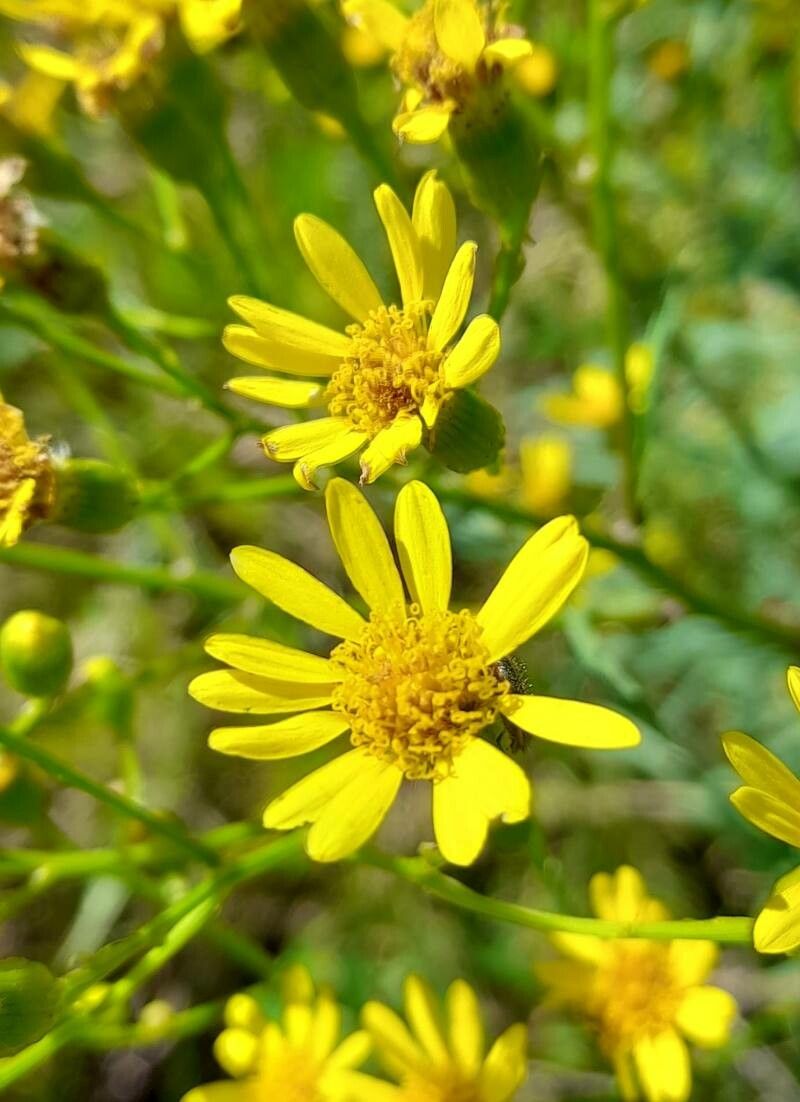
Hello fellow plant lovers! Today, we’re diving into the wonderful world of propagating Senecio brasiliensis, often called the “Easter Daisy” or “Brazilian Ragwort.” This cheerful plant brings a burst of sunshine with its bright, daisy-like flowers. If you’ve admired its delicate blooms and prolific growth in someone’s garden (or your own!), you’ll be happy to know that bringing more of these beauties into your life is surprisingly doable. I’ve found it to be quite an easygoing plant to propagate, even for those just dipping their toes into the gardening waters. It’s incredibly rewarding to watch a tiny cutting transform into a thriving plant, and Senecio brasiliensis offers that satisfaction in spades.
The Best Time to Start
For the highest success rate with Senecio brasiliensis, I always recommend starting in late spring or early summer. This is when the plant is actively growing and has plenty of energy to dedicate to root development. You’re looking for healthy, non-flowering stems. If a stem already has buds or blooms, it’s best to let it finish its flowering cycle before taking cuttings.
Supplies You’ll Need
Gathering your supplies beforehand makes the whole process smoother. Here’s what I usually have on hand:
- Sharp pruning shears or a clean, sharp knife: To make clean cuts.
- Small pots or seed trays: Anything with drainage holes will work.
- A well-draining potting mix: I prefer a mix of equal parts peat moss or coco coir and perlite or coarse sand. This prevents waterlogging.
- Rooting hormone (optional but recommended): A powder or gel can give your cuttings a little boost.
- Watering can or spray bottle: For gentle watering.
- Plastic bags or propagation domes (optional): To create a humid environment.
Propagation Methods
There are a couple of fantastic ways to multiply your Senecio brasiliensis. I find stem cuttings to be the most reliable.
Stem Cuttings
This is my go-to method. It’s straightforward and usually yields great results.
- Take Cuttings: Using your sharp shears or knife, snip healthy, non-flowering stems that are at least 4-6 inches long. Make your cut just below a leaf node – that little bump where a leaf joins the stem.
- Prepare the Cuttings: Gently remove the lower leaves from about half of the cutting. This prevents them from rotting when the stem is in the soil.
- Apply Rooting Hormone (Optional): If you’re using rooting hormone, dip the cut end of the stem into the powder or gel. Tap off any excess.
- Plant the Cuttings: Fill your small pots or trays with your prepared potting mix. Make a small hole in the center of the soil with your finger or a pencil. Insert the cut end of the stem into the hole, making sure at least one leaf node is buried. Gently firm the soil around the stem.
- Water Gently: Water the soil lightly but thoroughly. You want the soil to be moist, not waterlogged.
- Create Humidity (Optional): If you’re in a dry environment, you can cover the pots loosely with a plastic bag or place them under a propagation dome. Just make sure the leaves don’t touch the plastic. This helps retain moisture.
- Find a Suitable Spot: Place the pots in a bright location that receives indirect sunlight. Avoid direct sun, which can scorch the delicate cuttings.
Water Propagation
This method is incredibly satisfying to watch, as you can see the roots forming!
- Prepare Cuttings: Follow steps 1 and 2 from the stem cuttings method above.
- Place in Water: Use a clean glass or jar and fill it with fresh water. Place the prepared cuttings in the water, ensuring no leaves are submerged. The leaf nodes that were below the water line are where roots will emerge.
- Change Water Regularly: Change the water every few days to keep it fresh and prevent bacterial growth.
- Wait for Roots: You should start to see tiny white roots appearing from the leaf nodes within a few weeks.
- Pot Up: Once the roots are about an inch long, carefully transfer the cuttings to pots filled with your well-draining potting mix. Water gently.
The “Secret Sauce” (Pro Tips)
Here are a few tricks I’ve picked up over the years that seem to make a difference with Senecio brasiliensis:
- Bottom Heat is Your Friend: If you have a heat mat designed for seedlings, placing your potted cuttings on it can significantly speed up root formation. The warmth mimics ideal growing conditions and encourages growth from below.
- Don’t Drown Them!: This is crucial for both soil and water propagation. Overwatering is the quickest way to kill a cutting. I always err on the side of slightly too dry rather than too wet. The soil should feel like a wrung-out sponge – moist, but not soggy.
- Patience is a Virtue (and a Requirement!): Sometimes, cuttings can take a while to show signs of life. Don’t give up after a couple of weeks! I’ve had cuttings that looked absolutely dormant for a month before suddenly sending up new growth.
Aftercare & Troubleshooting
Once your cuttings have developed a good root system (you can gently tug on them or look for new leaf growth as an indicator), they are ready for a bit more independence.
- Gradual Acclimation: If you used humidity covers, slowly introduce your new plants to the regular air by removing the covers for a few hours each day before taking them off completely.
- Regular Watering: Continue to water when the top inch of soil feels dry.
- Lightly Fertilize: Once you see active growth, you can start feeding them with a diluted liquid fertilizer every 4-6 weeks during the growing season.
Now, about those inevitable hiccups. The most common issue you’ll face is rot. If you see your cutting turning mushy, blackening, or developing a foul smell, it’s likely due to overwatering or not enough aeration in the soil. Unfortunately, rotten cuttings are usually beyond saving. Another sign that things aren’t going well is if the leaves yellow and drop off rapidly without any sign of root development. This could still be overwatering, or the cutting might just not have been vigorous enough to begin with. Don’t be discouraged if you lose a few; it’s all part of the learning curve. Just grab a few more stems and try again!
So there you have it! Propagating Senecio brasiliensis is a delightful way to expand your collection and share these cheerful plants with friends. Remember to be patient, keep an eye on moisture levels, and enjoy the process of nurturing new life from a simple stem. Happy propagating!
Resource:
https://identify.plantnet.org/k-world-flora/species/Senecio%20brasiliensis%20(Spreng.)%20Less./data