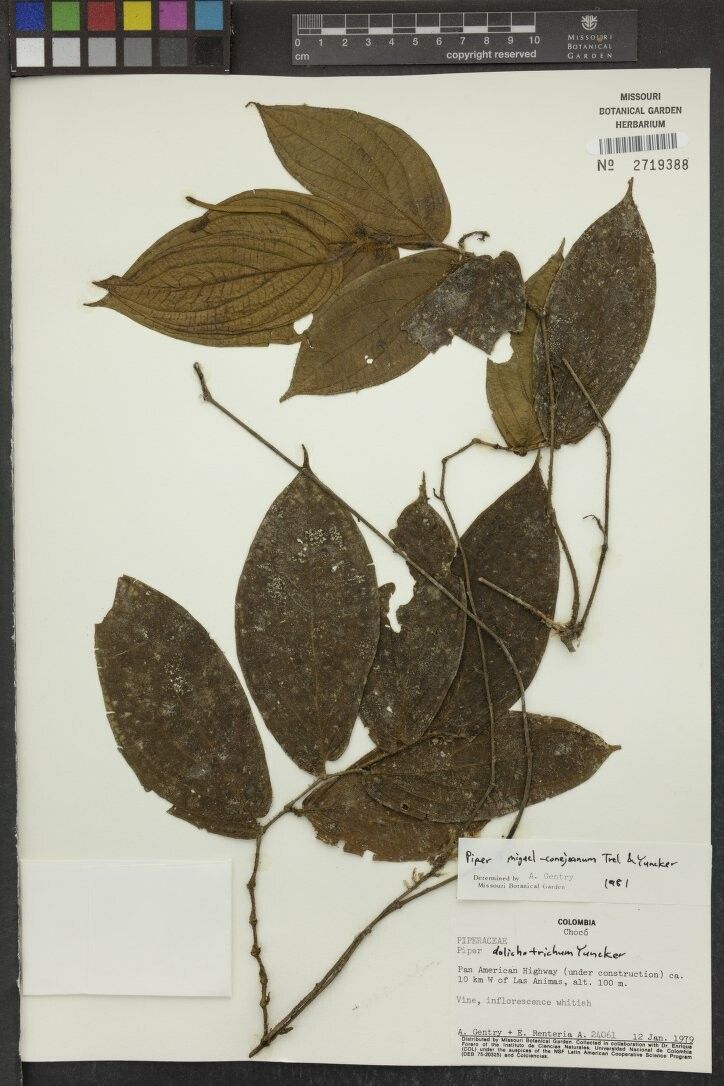
Hello there! I’m so glad you’ve stumbled upon this little guide to propagating Piper dactylostigmum. If you’re anything like me, you’ve probably fallen head over heels for its lush, architectural leaves and the unique, almost tropical vibe it brings to your space. For me, being able to create more of these beauties from just a single plant feels like a little bit of magic. It’s incredibly rewarding, and I’m happy to share how you can do it too. Now, for those of you just starting out, I wouldn’t call Piper dactylostigmum the absolute easiest plant to propagate, but it’s certainly achievable with a little care and attention. You’ve got this!
The Best Time to Start
The absolute sweet spot for propagating Piper dactylostigmum is during its active growing season. For most of us, this means spring and summer. You’re looking for healthy, vigorous new growth. Think of it like this: when the plant is really putting on a show, it has the energy to put into developing new roots and becoming a strong, independent plant. Avoid trying to propagate when the plant is stressed, dormant, or just recovering from something.
Supplies You’ll Need
Let’s get our arsenal ready! Having the right tools makes all the difference:
- Clean, sharp pruning shears or a knife: For making clean cuts. Hygiene is key to preventing disease.
- A good potting mix: I like a well-draining blend, often a mix of potting soil, perlite, and a bit of orchid bark for extra aeration.
- Small pots or propagation trays: Whatever you have on hand will work, as long as they have drainage holes.
- Clear plastic bags or a propagation dome: To create a humid environment.
- Rooting hormone (optional but helpful): A powder or gel can give your cuttings a boost.
- Water: For keeping things moist.
- A spray bottle: For misting.
Propagation Methods
I tend to find the most success with stem cuttings for Piper dactylostigmum. It’s straightforward and yields excellent results.
- Select Your Cutting: Look for a healthy stem that has at least two to three sets of leaves. Make a clean cut just below a leaf node. A leaf node is that little bump where a leaf attaches to the stem – that’s where the magic happens in terms of root development.
- Prepare the Cutting: Gently remove any leaves from the bottom half of the stem. You want to expose a few nodes where roots can form. If you’re using rooting hormone, dip the cut end into it now, tapping off any excess.
- Potting Up: You have a couple of options here.
- In Soil: Fill your small pots with your prepared potting mix. Make a hole with your finger or a pencil and gently insert the cutting, ensuring at least one or two leaf nodes are below the soil surface. Firm the soil around the stem.
- In Water (Less Preferred but Possible): You can place cuttings in a jar of water. Crucially, make sure no leaves are submerged. Leaves in water will rot and often take the whole cutting with them. Change the water every few days to keep it fresh.
- Create Humidity: Once potted, give them a light watering. Then, cover the pots with a clear plastic bag (propped up so it doesn’t touch the leaves) or place them under a propagation dome. This creates a mini-greenhouse effect, keeping the humidity high, which is essential for cuttings to root.
- Placement: Place your cuttings in a bright spot that receives indirect light. Avoid direct sunlight, as this can scorch the delicate cuttings.
The “Secret Sauce” (Pro Tips)
Here are a few little tricks I’ve learned over the years that can really help:
- Bottom Heat is Your Friend: If you can, place your pots on a seedling heat mat. This gentle warmth from below encourages root development much faster. It’s like giving your cuttings a cozy spa treatment!
- Don’t Be Afraid to Be Ruthless (with leaves): I know it feels counterintuitive to remove healthy leaves, but honestly, those lower leaves are just going to rot in the soil or water. Focus the plant’s energy on root creation, not keeping those leaves alive.
- Patience, Dear Gardener, Patience: This is possibly the biggest one. Piper dactylostigmum can be a little slow to show its roots. Don’t despair if you don’t see new growth or feel resistance when you gently tug after a few weeks. Keep them consistently moist and humid, and trust the process.
Aftercare & Troubleshooting
Once you start to see new leaf growth or feel a good amount of resistance when you gently tug on the cutting (indicating roots have formed), it’s time to introduce them to the world!
- Gradual Acclimation: Slowly remove the plastic bag or dome over a few days. You want them to get used to the lower humidity gradually.
- Watering: Continue to water when the top inch of soil feels dry. They’re still establishing themselves, so don’t let them dry out completely, but also avoid waterlogging.
- Light: Continue with bright, indirect light.
- Troubleshooting Rot: The most common culprit for failure is rot. If your cutting turns mushy, blackens, or smells funky, it’s likely roten. This is usually due to too much moisture and not enough air circulation. If you catch it early, you might be able to salvage a healthy section if you act fast. Prevention is key here, so ensuring good drainage and not overwatering is vital. Yellowing leaves on an otherwise healthy cutting can sometimes mean it’s using up its stored energy before rooting, but if it’s widespread and accompanied by wilting, it’s a bad sign.
Creating new Piper dactylostigmum plants is a wonderfully satisfying endeavor. It takes a bit of practice, and sometimes things don’t work out the first time – that’s perfectly okay! Every cutting is a learning opportunity, and with a little patience and these tips, you’ll soon be surrounded by these stunning plants. Happy propagating, and enjoy the journey!
Resource:
https://identify.plantnet.org/k-world-flora/species/Piper%20dactylostigmum%20Yunck./data