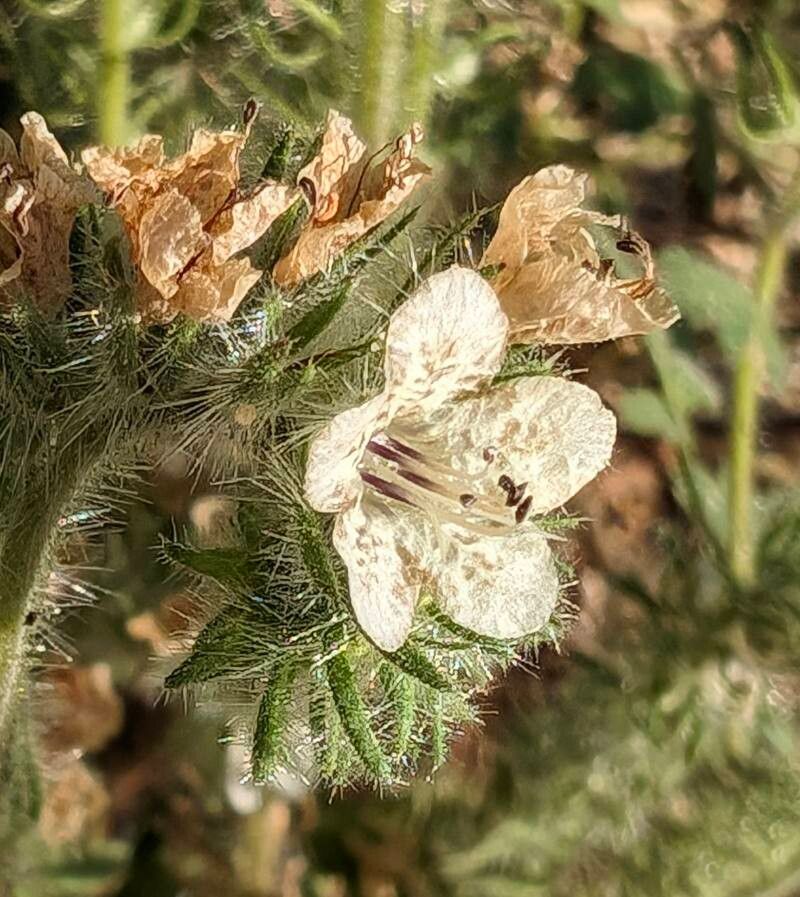
Hello fellow garden enthusiasts! Today, we’re diving into the delightful world of Phacelia cicutaria, also known as Lacy Phacelia. If you’re looking for a plant that brings a flurry of gorgeous, fuzzy purple blooms to your garden, that’s also a magnet for bees and other pollinators, then this is your gal! And guess what? Propagating her is a surprisingly rewarding endeavor, even for those just starting out in the plant-parenting journey. It’s not overly fussy, and seeing those little sprouts emerge from your efforts? Pure magic.
The Best Time to Start
For Phacelia cicutaria, your absolute best bet is to start from seed. This plant really thrives when given the chance to grow from its natural beginnings. While other propagation methods can sometimes work, seeds offer the highest success rate and are the most straightforward way to get a good batch of new plants going. Aim to sow seeds directly outdoors in the early spring, as soon as the danger of hard frost has passed. You can also start them indoors a few weeks before your last frost date, giving them a head start.
Supplies You’ll Need
Gathering your supplies makes the whole process much smoother. Here’s what you’ll want to have on hand:
- Seeds: Fresh Phacelia cicutaria seeds are key!
- Seed Starting Mix: A light, well-draining seed starting mix is crucial. Avoid heavy garden soil.
- Seed Trays or Small Pots: Choose shallow trays with drainage holes or small individual pots.
- Watering Can with a Fine Rose: Gentle watering is so important for delicate seedlings.
- Labels: Don’t forget to label your trays or pots!
- Optional: Plastic Dome or Cling Film: To create a mini-greenhouse effect.
- Optional: Heat Mat: For a little extra warmth to encourage germination.
Propagation Methods: Seeds Are Your Star!
As I mentioned, seeds are the champion for Phacelia cicutaria. Here’s how to get them started:
- Prepare Your Containers: Fill your seed trays or pots with the light seed starting mix. Gently press it down, but don’t compact it.
- Sow the Seeds: Scatter the seeds on the surface of the soil. They are quite small, so be mindful not to overcrowd them. A good rule of thumb is to plant about 2-3 seeds per cell or pot.
- Cover Lightly: Phacelia seeds need light to germinate, so do not bury them deeply. A very light dusting of your seed starting mix, just enough to barely cover them, is perfect. You can also gently press them into the surface.
- Water Gently: Using your watering can with the fine rose attachment, water the soil thoroughly but gently. You want to moisten the mix without dislodging the tiny seeds.
- Provide Warmth and Light: Place your trays in a warm spot (around 65-75°F or 18-24°C). If you’re starting them indoors, a sunny windowsill is good, but a heat mat can really speed things up. Cover the trays with a plastic dome or cling film to maintain humidity.
- Germination Watch: Keep an eye on them! You should start to see germination within 7-14 days, sometimes even sooner with a heat mat.
The “Secret Sauce” (Pro Tips)
Now, for a few little nuggets of wisdom that I’ve picked up over the years. These aren’t complicated, but they can make a real difference.
- Don’t Over-Water: This is probably the biggest pitfall for new seed starters. Let the surface of the soil dry slightly between waterings. Soggy soil is a fast track to damping off, where those precious seedlings just keel over.
- Give Them Air: Once you see those first little green shoots poking through, it’s time to remove the plastic dome or cling film. Good air circulation is vital to prevent fungal issues.
- Think About Where They’ll Grow: Phacelia cicutaria loves a good sunny spot. When you’re sowing seeds outdoors, choose a location that gets plenty of sunshine. If starting indoors, don’t be afraid to give them the brightest light possible once they’ve germinated.
Aftercare & Troubleshooting
Once your Phacelia seedlings start to develop their first true leaves (these are the leaves that look like the adult plant, not the initial baby leaves, called cotyledons), it’s time to think about moving them. If you sowed them in trays, you can carefully transplant them into individual pots when they are large enough to handle. Continue to keep the soil evenly moist but not soggy.
What do you do if things go wrong? The most common issue, as mentioned, is damping off. This usually appears as a weakening or sudden collapse of the stem at the soil line. If you see this, it’s often too late to save those individual seedlings, but focus on improving air circulation and reducing watering for the rest. Also, keep an eye out for any signs of pests. Healthy, happy seedlings are usually quite robust!
A Encouraging Closing
See? Propagating Phacelia cicutaria from seed is a wonderfully accessible and enjoyable way to bring more of this stunning bloomer into your life. Don’t be discouraged if your first attempt isn’t perfect. Gardening is all about learning and observing. Be patient with your tiny sprouts, give them the right conditions, and soon you’ll be rewarded with a garden buzzing with life and painted with those unmistakable, beautiful purple flowers. Happy planting!
Resource:
https://identify.plantnet.org/k-world-flora/species/Phacelia%20cicutaria%20Greene/data