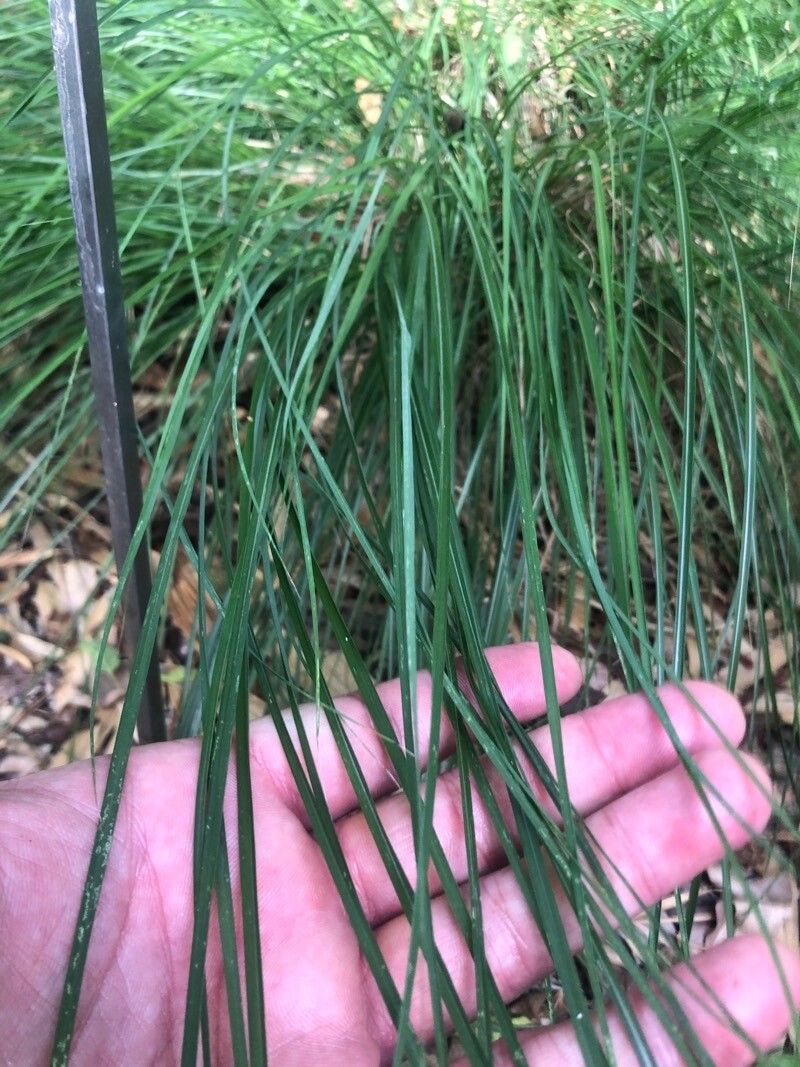
Propagating Deer Grass: Sharing the Beauty of Muhlenbergia rigens
Oh, Muhlenbergia rigens, or Deer Grass, as it’s affectionately known. I can’t tell you how many times I’ve admired its graceful, architectural form swaying in the breeze. Its fine, upright blades add such a wonderful texture and movement to any garden, especially here in drier climates. And the way it catches the sunset… pure magic!
Many gardeners think starting new plants from existing ones is some sort of arcane art, but I’m here to tell you it’s more about observation and a bit of patience. Propagating Deer Grass is a deeply satisfying way to multiply this gorgeous native, and guess what? It’s quite accessible, even if you’re just dipping your toes into the propagation pond.
When to Get Your Hands Dirty
For Muhlenbergia rigens, the spring, just as the plant begins its active growth, is your golden ticket. You’re looking for new shoots that are firm but still relatively tender. Think of it as trying to catch the plant when it’s feeling most energetic and ready to send out new life. Avoid trying to propagate from very old, woody stems.
Your Propagation Toolkit
Here’s what you’ll want to have at the ready:
- Sharp Pruning Shears or a Clean Knife: A clean cut is crucial to prevent disease.
- Potting Soil Mix: A well-draining mix is non-negotiable. I like a blend of equal parts potting soil, perlite, and coarse sand.
- Small Pots or Seed Starting Trays: Clean containers are a must.
- Rooting Hormone (Optional but Recommended): This can give your cuttings a nice little boost. Look for one formulated for woody cuttings.
- Plastic Bags or a Clear Dome: To create a humid microclimate.
- Watering Can with a Fine Rose: For gentle watering.
- Labels and a Marker: So you don’t forget what you planted where!
The Nitty-Gritty: Propagation Methods
Deer Grass is best propagated through division, but you can also try taking stem cuttings.
Method 1: Division (My Favorite!)
This is the most straightforward and successful method for established clumps.
- Dig Up the Plant: In early spring, when growth is just starting, gently dig up your established Muhlenbergia rigens clump. You want to get as much of the root ball as possible.
- Clean the Roots: Gently shake off excess soil. You can even rinse the roots carefully under water to get a better look at the structure.
- Identify Natural Divisions: Look for where the plant naturally wants to split. You’ll see where new shoots are emerging from different sections of the root system.
- Make the Cut: Using your sharp shears or a clean knife, carefully pull or cut apart the clump. Aim to get sections that have both roots and healthy shoots. Don’t be afraid to get in there! Each division should have at least a few shoots and some good roots. If they are stubborn, a sharp spade can help.
- Replant Immediately: Plant your divisions into their new homes (either pots or directly into a prepared garden bed) as soon as possible. Ensure they have good drainage. Backfill with soil and water thoroughly.
Method 2: Stem Cuttings
This method requires a bit more finesse, but it’s worth a try!
- Take Your Cuttings: In spring, select healthy, semi-hardwood stems that are about 4-6 inches long. Make your cut just below a leaf node (where leaves attach to the stem). Remove the lower leaves, leaving just a few at the tip.
- Prepare the Cuttings: If you’re using rooting hormone, dip the cut end into it. Gently shake off any excess.
- Plant the Cuttings: Fill your small pots with your well-draining soil mix. Make a small hole with a pencil or your finger, and insert the cutting, ensuring the leaf nodes are buried. Gently firm the soil around it.
- Create Humidity: Water the soil gently. Then, cover the pots with a clear plastic bag (making sure the leaves don’t touch the plastic!) or place them under a clear dome. This traps moisture and creates the humid environment cuttings need.
- Find a Good Spot: Place the pots in a bright location, but out of direct, harsh sunlight. A warm spot is ideal.
The “Secret Sauce”: Insider Tips
Here are a couple of things I’ve learned over the years that really help boost success:
- Bottom Heat is Your Friend: For stem cuttings, especially if your home is on the cooler side, a seedling heat mat placed under the pots can make a world of difference. It encourages root development from below, mimicking warmer soil temperatures.
- Don’t Overwater Cuttings: This is a common pitfall. While cuttings need humidity, soggy soil leads to rot. Feel the soil. If it feels moist, wait. Only water when the top inch of soil starts to feel dry.
- Be Patient with Divisions: Sometimes, newly divided plants might look a little droopy for a week or two. This is normal as they establish their root systems. Don’t panic! Just ensure they have consistent moisture and aren’t exposed to scorching sun.
Aftercare and What to Watch For
Once your divisions are planted, water them regularly, especially during dry periods, until they are well-established. For cuttings, keep them in their humid environment. You’ll know they’re rooting when you see new leaf growth or feel some resistance when you gently tug on a cutting. This can take anywhere from 4-8 weeks, sometimes longer.
If you notice mushy, black stems on your cuttings, that’s a sign of rot, usually from too much moisture and not enough air circulation. It’s tough to save those affected cuttings, but you can try removing the rotted parts and repotting the healthy sections in fresh, drier soil, ensuring better ventilation. With divisions, wilting can be dehydration, but excessively yellowing or browning leaves after the initial establishment period might indicate poor drainage or too much sun.
Go Forth and Propagate!
Growing your own plants is a journey, and each successful propagation feels like a little victory. Don’t be discouraged if every single one doesn’t make it. Keep learning, keep trying, and most importantly, enjoy the process. Soon you’ll have beautiful Muhlenbergia rigens plants to share or enjoy throughout your garden!
Resource:
https://identify.plantnet.org/k-world-flora/species/Muhlenbergia%20rigens%20(Benth.)%20Hitchc./data