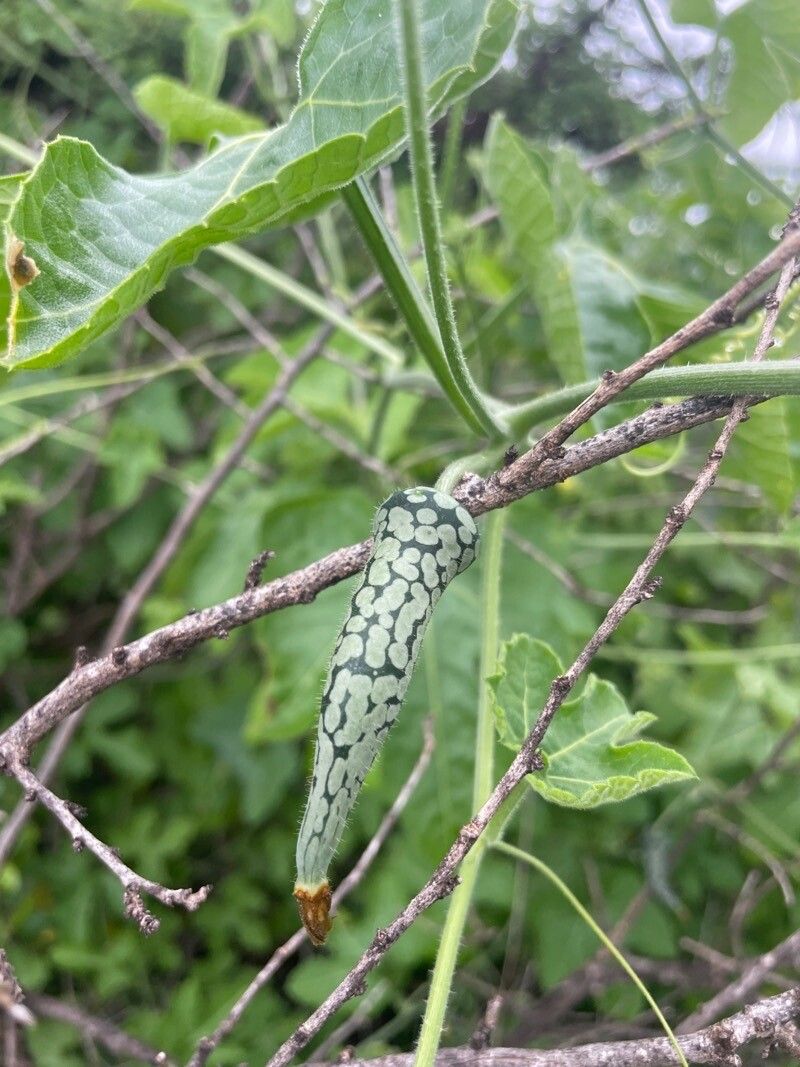
Hello, fellow plant enthusiasts! Today, we’re diving into the wonderful world of Kedrostis leloja, a vine that’s captured my heart with its delicate tendrils and fascinating growth habit. Honestly, I find it quite rewarding to watch a new plant emerge from a tiny cutting or a division – it’s like witnessing a little miracle unfold. For those of you just starting out, I’d say Kedrostis leloja is a moderately easy plant to propagate. With a little patience and these tips, you’ll be well on your way to a garden full of this lovely vine.
The Best Time to Start
My golden rule for propagation is to work with the plant’s natural energy. For Kedrostis leloja, the best time to get started is during its active growing season. Think late spring through summer. The days are longer, the sun is warmer, and the plant is just bursting with vitality, making it more resilient and ready to root. You’ll see new growth appearing, and that’s your cue!
Supplies You’ll Need
Before we get our hands dirty, let’s gather our tools. It’s always best to be prepared!
- Sharp Pruning Shears or Scissors: Clean cuts are crucial for preventing disease.
- Rooting Hormone (Optional but Recommended): This little helper can significantly speed up the process.
- Well-Draining Potting Mix: A good blend is key. I like to use a mix of coco coir, perlite, and a bit of compost. Some orchid bark can also be a nice addition for extra aeration.
- Small Pots or Seedling Trays: Choose containers that are proportionate to your cuttings.
- Labeling Stakes: Don’t forget to mark what you’ve planted!
- Watering Can or Spray Bottle: Gentle watering is important.
- Clear Plastic Bag or Dome (Optional): This helps maintain humidity.
Propagation Methods
Kedrostis leloja is quite adaptable, and I’ve had success with a couple of common methods.
Stem Cuttings
This is my go-to for this vine.
- Select a Healthy Stem: Look for a mature, non-flowering stem that’s at least 4-6 inches long. You want a stem that’s firm but not woody.
- Make the Cut: Using your clean pruning shears, make a cut just below a leaf node. A leaf node is where a leaf attaches to the stem; this is where roots are most likely to form.
- Prepare the Cutting: Gently remove the lower leaves, leaving just 2-3 at the top. This prevents them from rotting once planted.
- Apply Rooting Hormone (Optional): If you’re using rooting hormone, dip the cut end of the stem into the powder or gel, tapping off any excess.
- Plant the Cuttings: Fill your small pots with your prepared potting mix. Make a small hole with your finger or a pencil and insert the cutting. Gently firm the soil around it.
- Water Lightly: Water the soil until it’s evenly moist but not waterlogged.
- Provide Humidity (Optional): If you have a dry environment, you can pop a clear plastic bag over the pot, making sure the leaves don’t touch the plastic. Alternatively, a propagation dome works wonderfully.
Water Propagation
This method is beautiful to watch unfold.
- Prepare Cuttings: Follow steps 1-3 from the stem cuttings method.
- Place in Water: Find a clean jar or glass and fill it with fresh, room-temperature water. Place your cuttings in the water, ensuring that the leaf nodes are submerged but the leaves are not.
- Find a Bright Spot: Place the container in a bright location that receives indirect sunlight.
- Change Water Regularly: Refresh the water every few days, or whenever it starts to look cloudy. This is crucial to prevent rot.
The “Secret Sauce” (Pro Tips)
Here are a couple of things I’ve learned over the years that really make a difference:
- Bottom Heat is Your Friend: If you’re struggling with rooting or want to speed things up, investing in a heating mat specifically for propagation can be a game-changer. The gentle warmth encourages root development from the bottom up.
- Don’t Be Afraid to Discard: If a cutting looks like it’s struggling or developing rot, it’s often best to remove it from the mix or water. This prevents potential issues from spreading to other cuttings. Sometimes, you have to accept that not every attempt will be a success, and that’s perfectly okay!
Aftercare & Troubleshooting
Once you start seeing those beautiful little roots emerging—hooray! For cuttings:
- Transplant Gently: When your cuttings have developed a decent root system (about an inch long), they’re ready to be potted up into their own, slightly larger containers. Handle the roots with extreme care.
- Continue Misting: Keep the soil consistently moist but not soggy. Misting the leaves can also help them adjust.
- Gradual Acclimation: If you’ve used a plastic bag or dome, gradually introduce your new plant to your home’s humidity by opening it for longer periods each day before removing it entirely.
Common signs of failure are often root rot, which manifests as wilting, yellowing leaves, and a mushy stem base. This is usually a sign of overwatering or poor drainage. If you notice this, try to let the soil dry out a bit more and ensure good airflow around your cuttings.
A Encouraging Closing
Taking cuttings can feel like a leap of faith, but it’s such a rewarding journey. Be patient with your little Kedrostis leloja babies. Sometimes they take their time, and that’s part of their charm. Enjoy the process of nurturing them, and before you know it, you’ll have a whole new collection to admire! Happy propagating!
Resource: