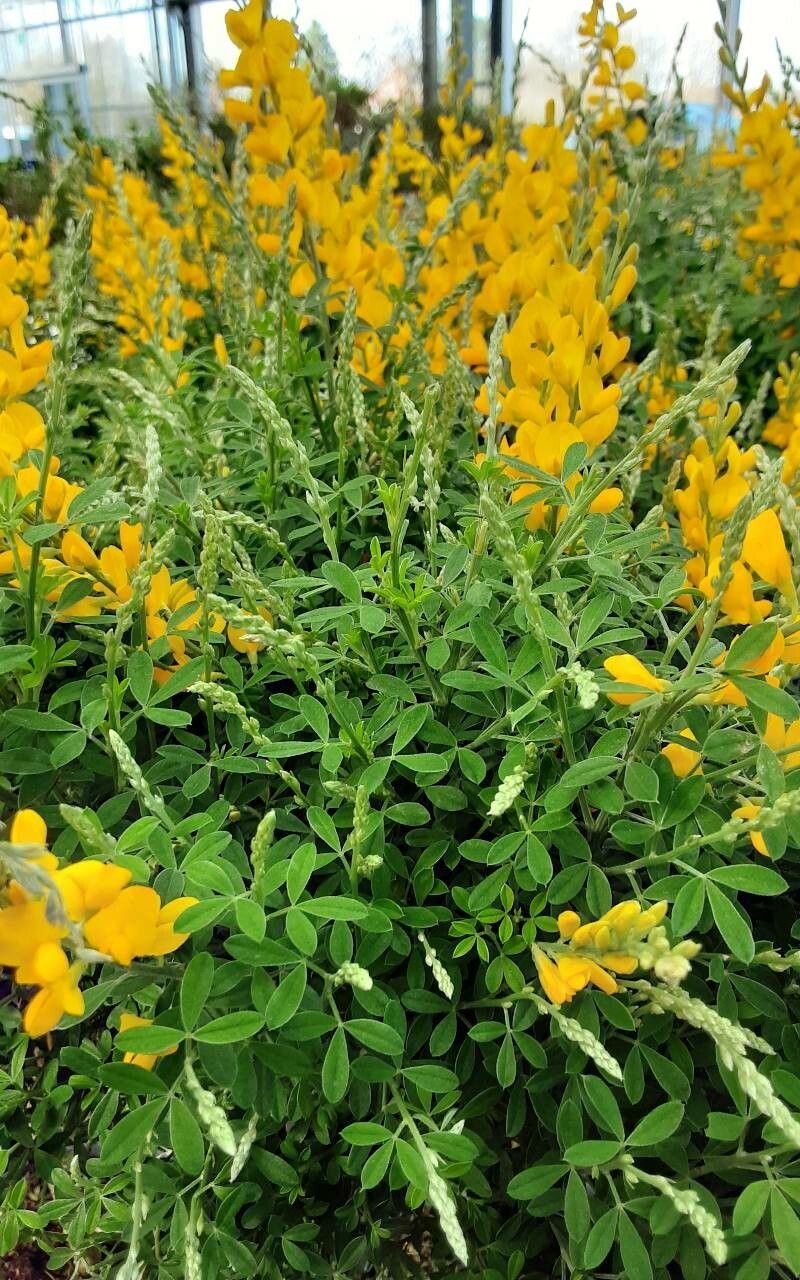
Hello, fellow garden enthusiasts! Today, we’re diving into the delightful world of Genista monspessulana, also known affectionately as Montpellier Broom. If you’ve ever admired its cheerful cascades of golden flowers, you’ve likely thought, “How can I get more of these beauties?” Well, you’re in the right place! Propagating these sunny shrubs is a wonderfully rewarding experience, and while it might seem a little daunting, I promise, with a little guidance, you’ll be well on your way to a mini-broom nursery. Montpessulan Broom isn’t the trickiest plant to propagate, making it a great project for those new to the craft.
The Best Time to Start
My favorite time to get busy with propagating Genista monspessulana is when things are really growing. Aim for late spring to early summer. This is when the plant has produced plenty of new, semi-hardwood growth that’s not too soft and not too woody. It has enough energy stored in those stems for successful rooting. You can also try in early autumn with softwood cuttings, but I find the spring/early summer batch usually has a higher success rate for most people.
Supplies You’ll Need
Having your ducks in a row with supplies makes the whole process much smoother. Here’s what I always have on hand:
- Sharp, clean secateurs or pruning shears: For making nice, clean cuts.
- Rooting hormone powder or gel: This is a huge help in encouraging root development. I prefer a powder, but gel works just as well.
- Small pots or seedling trays: Ensure they have drainage holes!
- A good quality potting mix: I like a blend of perlite and peat moss or coco coir for excellent drainage. About a 50/50 mix is usually perfect.
- A small trowel or dibber: For making holes in the soil.
- A plastic bag or propagator lid: To create a humid environment.
- Watering can with a fine rose: For gentle watering.
- Labels: Essential for keeping track of what you’ve potted!
Propagation Methods
For Genista monspessulana, stem cuttings are hands down my go-to method. It’s reliable and yields a good number of new plants.
- Take Your Cuttings: Head out with your secateurs during the prime propagating season (late spring/early summer). Look for stems that are semi-hardwood – they should be flexible but not bendy like brand new growth. Aim for cuttings that are about 4-6 inches long. Make your cut just below a leaf node (where a leaf attaches to the stem).
- Prepare the Cuttings: Gently strip off the lower leaves from the cutting, leaving just a few at the very top. This prevents them from rotting when buried in the soil. If your chosen stem has any tiny flower buds, pinch them off. We want all that energy to go into root formation, not flowering.
- Apply Rooting Hormone: Dip the cut end of each prepared cutting into your rooting hormone. Gently tap off any excess. This step is crucial for a better chance of success.
- Pot Them Up: Fill your small pots with your prepared potting mix. Use your trowel or dibber to make a hole in the center of each pot. Carefully insert the cut end of your cutting into the hole, ensuring the rooting hormone stays on the stem. Firm the soil gently around the base of the cutting.
- Water and Cover: Water the pots gently until you see water draining from the bottom. This settles the soil around the cuttings. Now, here’s a vital step: cover the pots with a clear plastic bag or a propagator lid. This creates a mini-greenhouse, keeping the humidity high, which is essential for cuttings while they develop roots.
The “Secret Sauce” (Pro Tips)
From my years in the garden, I’ve picked up a few tricks that often make all the difference.
- Bottom Heat is Your Friend: If you can, place your pots on a heated propagator mat. This gentle warmth from below encourages root development much faster and more effectively than just relying on ambient air temperature. It’s like giving your cuttings a warm hug to get them started.
- Don’t Drench, Just Dampen: While humidity is key, you don’t want waterlogged soil. Overwatering is a common mistake. The soil should feel consistently moist but not soggy. Check the moisture level by gently poking your finger into the soil.
- Cleanliness is Next to Goodness: I can’t stress this enough: sterilize your tools! A quick wipe with rubbing alcohol between cuts can prevent the spread of diseases, which can be devastating to young cuttings.
Aftercare & Troubleshooting
Once your cuttings are potted up, keep them in a bright spot, but out of direct, harsh sunlight. Remember that plastic bag or propagator lid? Keep it on for several weeks. You’ll know your cuttings are starting to root when you see new leaf growth. Gently tug on a cutting – if it resists, you’ve got roots!
The first sign of things going wrong is usually wilting and yellowing leaves, followed quickly by rot at the base of the cutting. If you see this, it’s often a sign of too much moisture or not enough air circulation. Remove any affected cuttings immediately to prevent it from spreading. Again, ensuring good drainage and not overwatering are your best defenses.
A Warm Encouraging Closing
Propagating Genista monspessulana is such a satisfying journey. It’s like magic, watching a simple stem transform into a whole new plant. Don’t get discouraged if some don’t make it; that’s just part of the learning process. Be patient, keep an eye on your little charges, and celebrate every new root and bud. Happy propagating, and may your gardens be forever golden!
Resource: