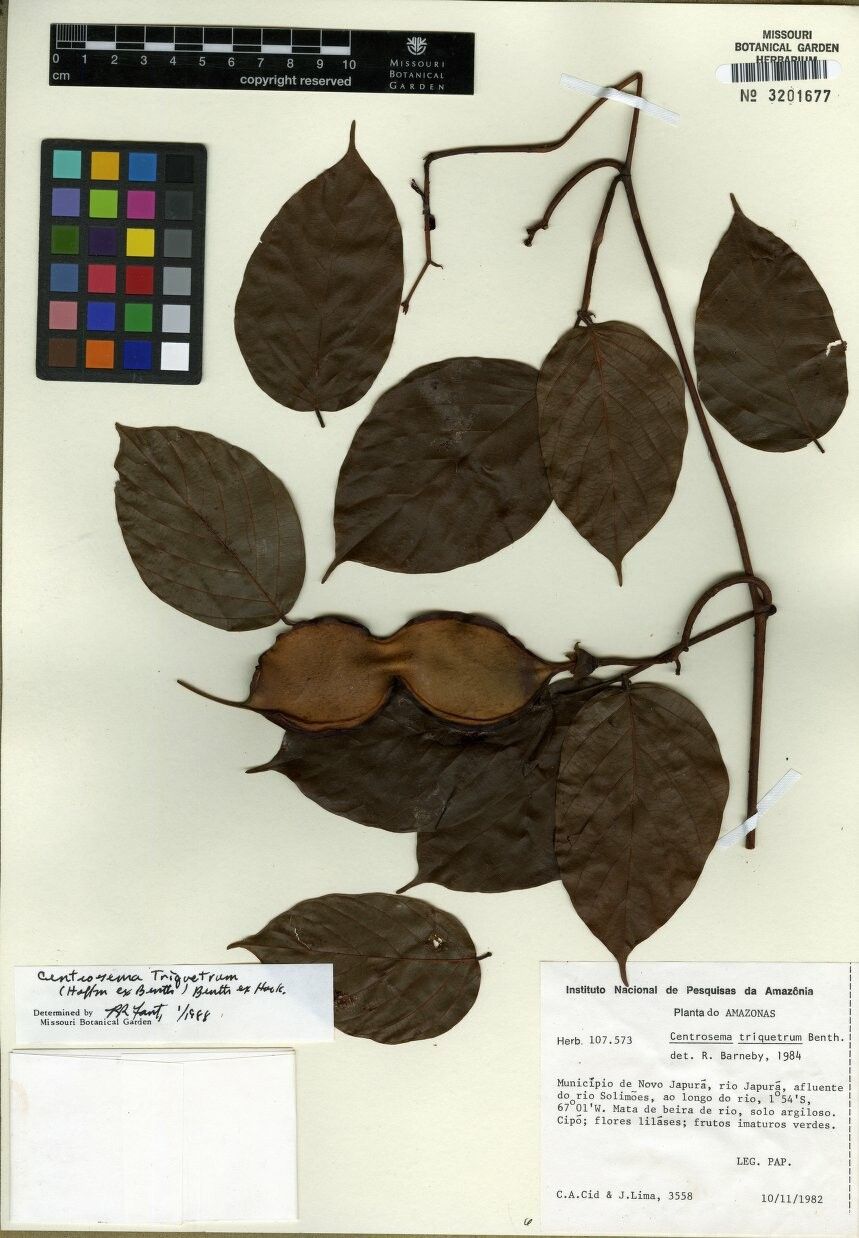
Oh, hello there! Come on in and pull up a chair. Let’s chat about one of my favorite wildflowers, Centrosema triquetrum. This beauty, with its delicate purple-blue flowers and sprawling habit, is such a joy in the garden. It’s a fantastic choice for attracting pollinators, and the way it spills over walls or weaves through other plants is just lovely.
If you’re looking to expand your collection or share this gem with friends, propagating Centrosema triquetrum is a wonderfully rewarding endeavor. Now, I won’t lie to you – while it’s not the most finicky plant in the world, it requires a little bit of attention to detail. But don’t let that scare you! With a few tried-and-true methods, you’ll be well on your way to success.
The Best Time to Start
For the highest success rate with Centrosema triquetrum, I always recommend aiming for late spring to early summer. This is when the plant is in its active growth phase, meaning it has plenty of energy to put into developing new roots. You’ll want to look for stems that are somewhat mature – not brand new, floppy growth, but not woody, old stems either. Think of it as that perfect “pencil thickness” stage.
Supplies You’ll Need
Gathering your supplies beforehand makes the whole process so much smoother. Here’s what I usually have on hand:
- Sharp pruning shears or a clean knife: For making clean cuts.
- Small pots or seed trays: Clean and with drainage holes, of course!
- A good quality potting mix: I like a blend that’s light and drains well. A mix of peat moss, perlite, and a touch of compost works wonderfully.
- Rooting hormone (optional but recommended): This can give your cuttings a helpful boost.
- A plastic bag or humidity dome: To create a mini greenhouse effect.
- Watering can or spray bottle: For gentle watering.
Propagation Methods
There are a couple of ways to go about this, and I’ve found great success with stem cuttings. Here’s how I do it:
- Select and Cut: Choose a healthy, non-flowering stem. With your sharp shears, take a cutting that’s about 4-6 inches long. Make the cut just below a leaf node (where a leaf joins the stem).
- Prepare the Cutting: Gently remove the leaves from the bottom half of the cutting, leaving just a couple of leaves at the very top. This prevents them from rotting once in the soil. If the leaves are quite large, you can even cut them in half horizontally to reduce water loss through transpiration.
- Apply Rooting Hormone (Optional): Dip the cut end of the stem into your rooting hormone powder or gel. Tap off any excess.
- Planting: Fill your clean pots with your prepared potting mix. Make a small hole in the center with your finger or a pencil. Insert the cut end of your stem cutting into the hole, ensuring the leaf nodes below the remaining leaves are in contact with the soil. Gently firm the soil around the cutting.
- Water and Cover: Water the soil gently but thoroughly until it’s moist. Then, cover the pot with a plastic bag or a humidity dome. This will keep the moisture in and create that humid environment cuttings crave.
The “Secret Sauce” (Pro Tips)
Here are a few little tricks I’ve picked up over the years that can really make a difference:
- Don’t let the leaves touch the water: If you happen to be trying water propagation (though I find soil far more successful for Centrosema), make absolutely sure that none of the leaves are submerged in the water. Any leaves touching water will just rot, taking your cutting down with them.
- Bottom heat is your friend: If you have a propagation mat or can place your pots on a warm windowsill (indirect sun, mind you), the gentle warmth from below can really speed up root development. It mimics spring soil temperatures and encourages those roots to form.
Aftercare & Troubleshooting
Once your cuttings are planted and covered, the real waiting game begins. Keep the soil consistently moist but not waterlogged. You can check this by gently pressing the soil with your finger.
After a few weeks, you should start to see new growth appearing at the top. This is a great sign! You can also gently tug on the cutting – if there’s resistance, you likely have some lovely roots forming. Once you see good root development, you can gradually acclimate your new plant to lower humidity by removing the plastic bag for longer periods each day.
Now, what if things don’t go as planned? The most common culprit is rot, usually due to overwatering. If your cutting looks limp, mushy, or has turned black at the base, it’s likely succumbed to rot. Don’t despair! Simply discard the failed cutting and try again. Make sure your soil is well-draining and you’re not drowning your cuttings.
A Encouraging Closing
Propagating Centrosema triquetrum is a beautiful way to connect with nature and fill your garden with these charming blooms. Be patient with the process. Sometimes they take their sweet time, but the reward of seeing a tiny cutting transform into a thriving plant is absolutely worth it. Happy gardening, my friend!
Resource: