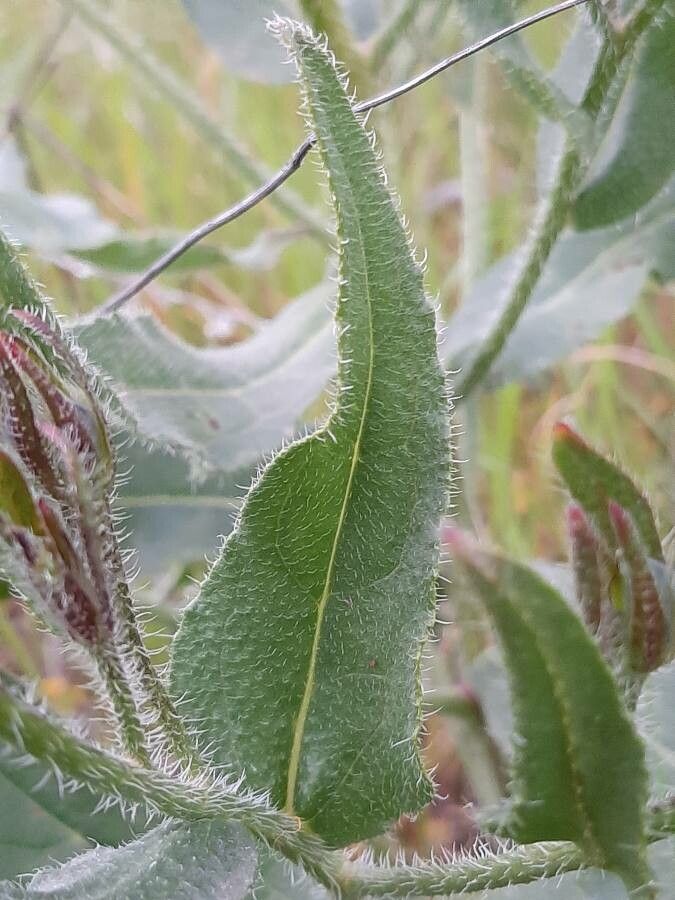
Hello there, fellow garden lovers! I’m so excited to chat with you today about one of my absolute favorite garden performers: Anchusa azurea, also known as Italian Bugloss or Summer Forget-Me-Not. Those brilliant sky-blue blossoms just sing in the summer garden, don’t they? They have this wonderful ephemeral quality, like little pieces of the sky scattered amongst the greenery.
Propagating Anchusa azurea is a truly rewarding endeavor. It’s not one of those fussy plants that throws a tantrum if you look at it the wrong way. In fact, I’d say it’s quite beginner-friendly. Seeing those tiny root systems emerge and knowing you’ve created new life from an established plant? Pure magic, in my book. Plus, who doesn’t want more of those gorgeous blue flowers?
The Best Time to Start
For the highest success rate with Anchusa azurea, I always recommend working with young, vigorous shoots in late spring or early summer. This is when the plant is actively growing and brimming with energy, making it more receptive to the propagation process. Think of it as catching your plant at its peak.
Supplies You’ll Need
To get your propagation station set up, here’s what I usually have on hand:
- Sharp pruning shears or a clean knife: For taking neat, precise cuttings.
- Potting mix: A light and airy blend is best. I often use a mix of equal parts peat moss or coco coir, perlite, and a little bit of compost. This ensures good drainage, which is crucial.
- Small pots or seed trays: Anything that can hold your cuttings and offer some humidity.
- Rooting hormone (optional but recommended): A powder or gel can significantly speed up the rooting process.
- Plastic bags or a propagator lid: To create a humid environment for your cuttings.
- Watering can with a fine rose: For gentle watering.
Propagation Methods: Stem Cuttings
This is my go-to method for Anchusa azurea. It’s reliable and gives you a good chance of success.
- Take your cuttings: Select healthy, non-flowering stems from your mature plant. You want to aim for stems that are about 3-6 inches long. Make your cut just below a leaf node (where a leaf attaches to the stem). Be sure to use clean tools to prevent disease.
- Prepare the cuttings: Gently remove the lower leaves, leaving about two sets of leaves at the top. If the remaining leaves are very large, you can cut them in half to reduce water loss.
- Apply rooting hormone (if using): Dip the cut end of each stem into your rooting hormone powder or gel, tapping off any excess.
- Plant the cuttings: Fill your small pots with your prepared potting mix. Make a small hole in the center of the soil with a pencil or your finger. Insert the cut end of the stem into the hole, ensuring the rooting hormone is in contact with the soil. Firm the soil gently around the stem.
- Water gently: Water the soil thoroughly but gently. You don’t want to dislodge the cuttings.
- Create humidity: Cover the pots with a clear plastic bag, securing it around the rim of the pot, or place them inside a propagator with the lid on. This will create a mini-greenhouse effect, keeping the humidity high.
- Place them in a bright spot: Find a location that receives bright, indirect light. Avoid direct sun, as this can scorch the young cuttings.
The “Secret Sauce” (Pro Tips)
Here are a couple of tricks I’ve learned over the years that can really boost your chances:
- Bottom Heat is Your Friend: If you can, placing your pots on a heated propagator mat will make a world of difference. Warm soil encourages root development much faster than cool soil. It’s like giving your cuttings a warm hug to get them started.
- Let Your Cuttings Callous: Before dipping in rooting hormone, some gardeners will let the cut end of the stem dry out slightly for a few hours. This “callousing” can encourage the plant to form stronger root structures. It sounds counter-intuitive, but it often works wonders.
Aftercare & Troubleshooting
Once your cuttings are planted, patience is key. Keep the soil consistently moist but not waterlogged. Check the humidity regularly and mist the inside of the bag if needed.
You’ll know your cuttings are rooting when you see new leaf growth or feel a gentle resistance when you tug on the stem. This usually takes anywhere from 3 to 6 weeks, depending on the conditions.
The most common issue you might encounter is rot. This happens when the soil is too wet and there isn’t enough air circulation, allowing fungal diseases to take hold. If you see wilting, black stems, or a moldy appearance, it’s likely rot. In this case, you might need to discard the affected cuttings and start again with drier soil and better air circulation.
A Encouraging Closing
Don’t be discouraged if not every cutting takes. Gardening is a journey of experimentation, and every gardener has had their share of cuttings that just didn’t make it. The beauty of Anchusa azurea is its abundance, so you’ll likely have plenty to work with. Enjoy the process of nurturing these little plantlets, and celebrate each successful root you discover! Happy propagating!
Resource:
https://identify.plantnet.org/k-world-flora/species/Anchusa%20azurea%20Mill./data