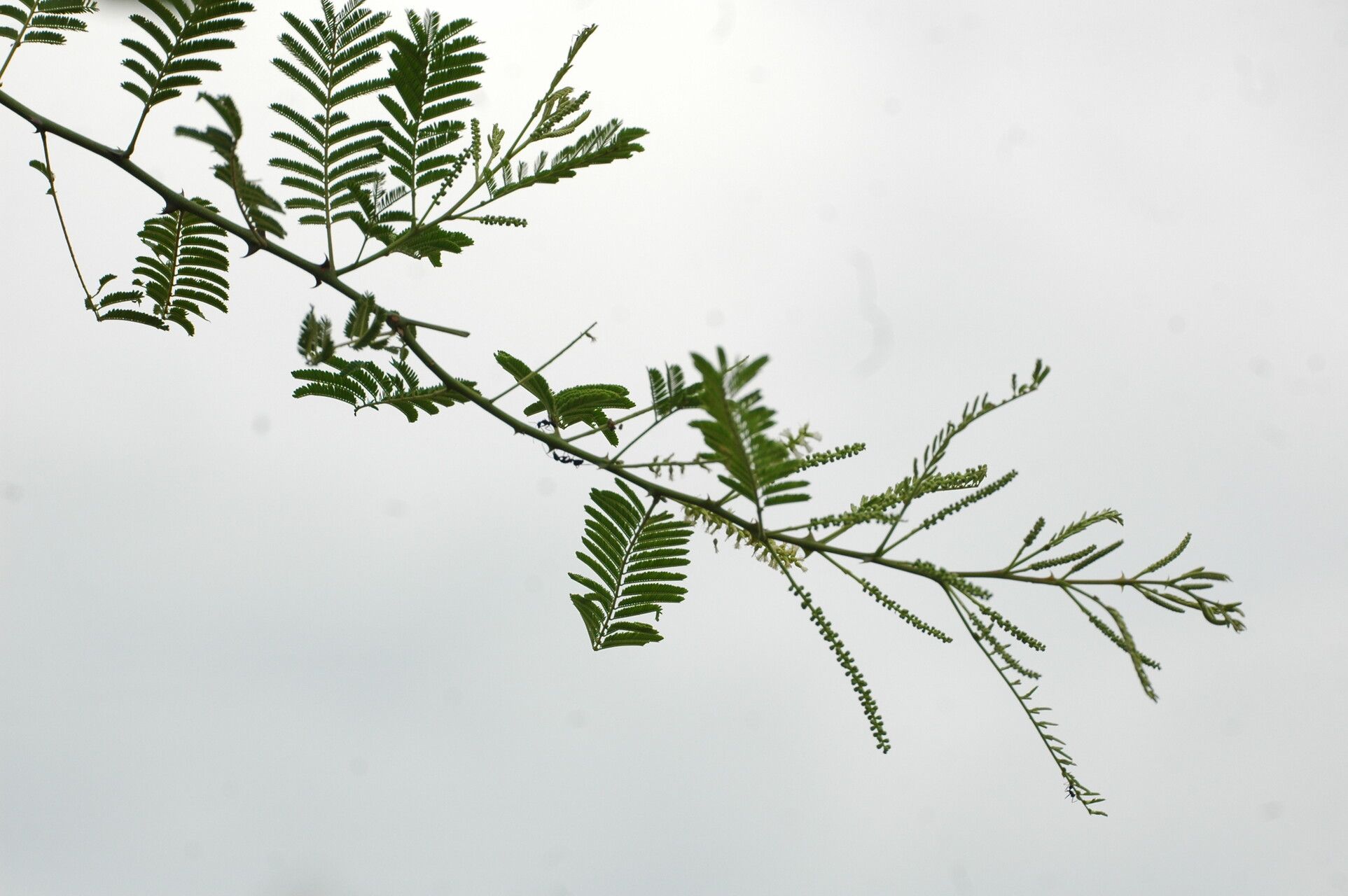
Oh, hello there! Pull up a chair and let’s chat about a rather special tree: Senegalia catechu, also known as Cutch or Khair. I’ve always been fascinated by its delicate, feathery foliage and the promise of shade it offers. Plus, its history as a source of natural dyes and traditional medicines adds a certain romance to it. Growing your own from a tiny cutting or seed? That’s pure gardening magic, if you ask me. For newcomers to propagation, Senegalia catechu is a bit of a moderately challenging but incredibly rewarding project. It’s a little more hands-on than, say, a pothos, but oh-so-worth the effort.
The Best Time to Start
Timing is everything in the garden, isn’t it? For Senegalia catechu, aim to propagate in the late spring or early summer. This is when the plant is in its active growth phase. You’ll find the stems are more pliable, and the warmer temperatures provide that gentle heat nature intended for root development. If you’re working with seeds, early spring is your best bet, giving them ample time to establish before fall.
Supplies You’ll Need
Gather your tools before you begin, just like getting your ingredients ready for a favorite recipe.
- Sharp Pruning Shears or a Clean Knife: For taking clean, precise cuts.
- Rooting Hormone (Powder or Gel): This is a good friend to have, especially for woody cuttings.
- Well-Draining Potting Mix: A blend of 50% perlite and 50% peat moss or coco coir works wonders. You want air and moisture.
- Small Pots or Seed Trays: Clean ones are a must to prevent disease.
- Plastic Bags or a Propagator: To create a humid environment.
- Labeling Stakes or Tags: To remind you what you’ve planted and when.
- Spray Bottle: For gentle misting.
- Optional: Bottom Heat Mat: This can really speed things up.
Propagation Methods
Let’s get our hands dirty! I usually have the most success with stem cuttings, but seeds are also a wonderful option to explore.
Stem Cuttings
This is where we coax a new plant from a piece of an existing one.
- Select Your Cuttings: Look for healthy, semi-hardwood stems from your mature Senegalia catechu. You want stems that are green but have started to firm up – not too bendy, not too woody. Take cuttings about 4-6 inches long.
- Make the Cut: Using your sterilized shears or knife, make a clean cut just below a leaf node. This is where the magic happens, where roots are most likely to form. Remove any lower leaves, leaving just a couple at the top.
- Apply Rooting Hormone: Dip the cut end of the stem into your rooting hormone. Tap off any excess.
- Plant Your Cuttings: Fill your pots with your prepared potting mix. Make a hole with your finger or a pencil, and gently insert the cutting. Firm the soil around the stem so it stands up straight.
- Create a Humid Environment: Water gently. Then, cover the pot with a clear plastic bag or place it in a propagator. Make sure the leaves don’t touch the inside of the bag – it can lead to rot. You can use stakes to prop it up if needed.
Seed Propagation
If you’ve managed to get hold of some seeds, this is a lovely way to start.
- Scarify the Seeds: Senegalia catechu seeds have a tough outer coating. You’ll need to gently scarify them. You can do this by nicking them with a file or rubbing them lightly with sandpaper. Be careful not to damage the embryo inside.
- Soak the Seeds: After scarifying, soak the seeds in warm water for 24 hours. This helps soften the seed coat further and encourages germination.
- Sow Your Seeds: Fill seed trays with your moist potting mix. Sow the seeds about half an inch deep.
- Provide Warmth and Moisture: Keep the soil consistently moist but not waterlogged. A warm spot is crucial. Covering the tray with a plastic lid or cling film will help retain humidity, just like with cuttings.
The “Secret Sauce” (Pro Tips)
Here are a few little tricks I’ve learned over the years that make a difference.
- Bottom Heat is Your Best Friend: For stem cuttings, placing your pots on a heated propagator mat mimics the warmth of the soil in spring and summer. This encourages root development from below, giving you a much higher success rate and faster results.
- Don’t Drown Your Cuttings: While humidity is key, overwatering is the quickest way to kill a hopeful cutting. Ensure your potting mix is moist but not soggy. If you see water pooling, it’s too much. Let the top inch of soil dry out slightly between waterings.
- Shedding Leaves? It’s Okay! If your cuttings lose some or all of their leaves, don’t despair! Especially with woody cuttings, this is a natural response as the plant conserves energy while working on its roots. As long as the stem remains firm and green, there’s still hope.
Aftercare & Troubleshooting
Once you see signs of life – tiny new leaves or a root poking through the drainage hole – you’re on the right track!
- Acclimatize Gradually: If your cuttings are under a plastic bag, start by removing it for a few hours each day, gradually increasing the time until the bag is off completely. This helps them adjust to normal humidity.
- Gentle Watering: Continue to water when the top inch of soil feels dry, but avoid waterlogging.
- Transplanting: Once the roots are well-established and the plant has a decent amount of growth, you can transplant your new Senegalia catechu into slightly larger pots.
- Common Pitfalls: The most common issue is rot. This is usually caused by too much moisture and poor air circulation. If you see a cutting turning mushy or black, sadly, it’s best to discard it to prevent it from affecting others. Yellowing leaves could mean too much or too little water, or insufficient light.
Don’t get discouraged if your first few attempts aren’t perfect. Gardening is a journey of learning and observation. Each plant you propagate is a small victory, a testament to patience and a little bit of horticultural know-how. Enjoy the process, celebrate the tiny sprouts, and soon you’ll have your very own Senegalia catechu to admire and nurture. Happy growing!
Resource: