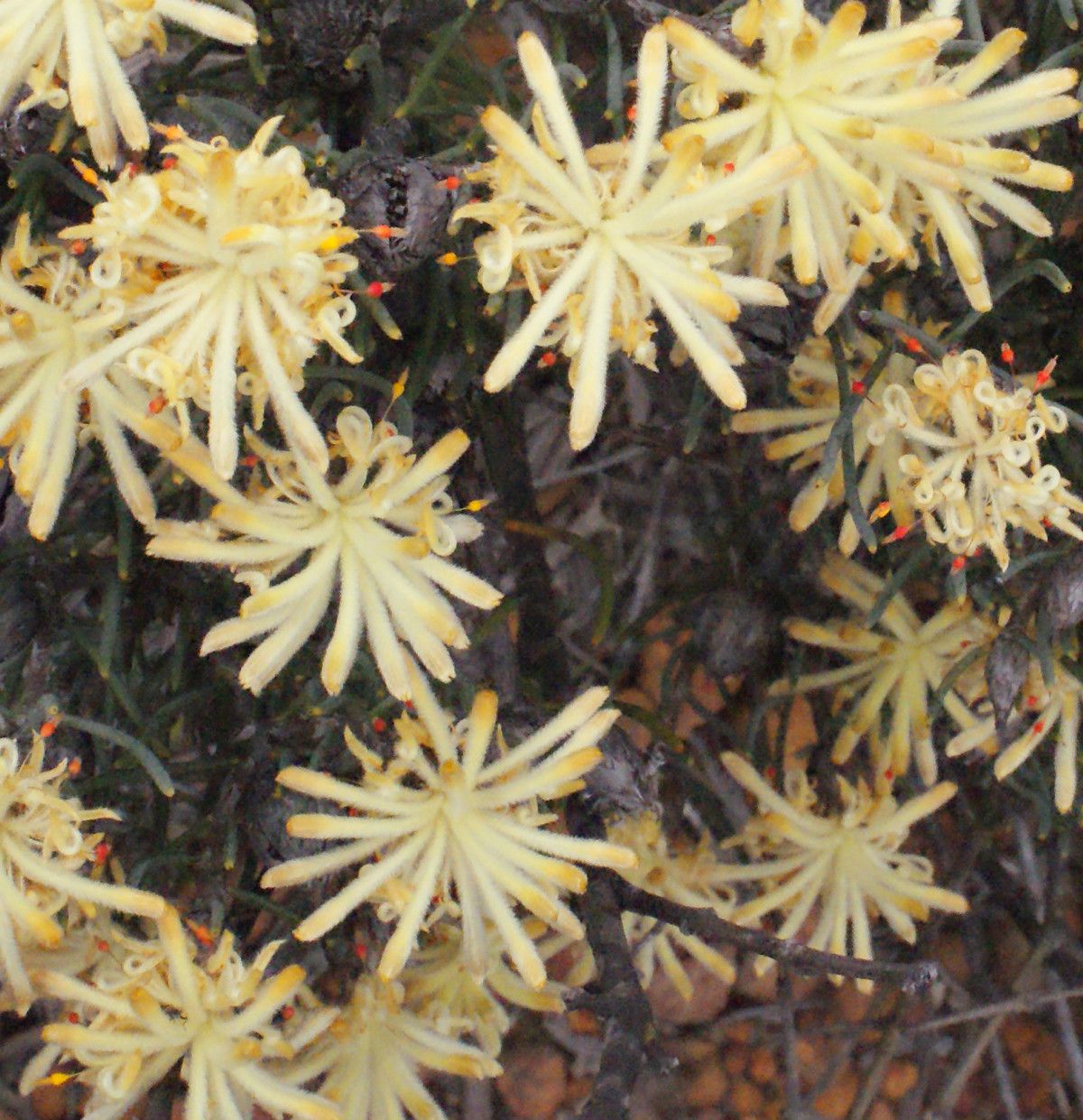
Hello garden friends! Today, we’re diving into the wonderful world of Petrophile brevifolia, also known by its common name, the Pine Cone Bush. If you’re looking for a plant that brings a unique sculptural beauty to your garden, you’re in for a treat. Those distinctive, almost pinecone-like flower heads are a real showstopper, and let me tell you, propagating them yourself is incredibly satisfying. It’s a plant that rewards your efforts with a little bit of patience. For beginners, it’s a moderately challenging plant to propagate, but with a few pointers, you’ll be well on your way.
When’s the Perfect Time?
The best time to get your hands dirty with Petrophile brevifolia is in the late spring to early summer. This is when the plant is actively growing and has plenty of youthful vigor. You’re looking for new, semi-hardwood growth – think of it as growth that’s not too soft and floppy, but not tough and woody either. It should snap cleanly when you bend it slightly.
Gearing Up: Your Propagation Toolkit
Before we get started, let’s gather our supplies. Having everything ready makes the whole process smoother:
- Sharp, clean pruning shears or a craft knife: For taking clean cuts.
- Potting mix: A well-draining mix is paramount. I like to use a blend of coarse sand, perlite, and a good quality potting soil.
- Rooting hormone: This is very helpful for encouraging root development. Look for one that contains IBA (indole-3-butyric acid).
- Small pots or trays: Clean ones, of course!
- Plastic bags or propagation dome: To create a humid environment.
- Water: For moistening your mix and for rinsing tools.
- Long-sleeved shirt and gloves: Some plants can be a bit prickly!
Let’s Get Propagating: Stem Cuttings are Key
For Petrophile brevifolia, stem cuttings are generally the most successful method. Here’s how I do it:
- Take Your Cuttings: Select healthy stems that are about 10-15 cm long. Using your sharp shears or knife, make a clean cut just below a leaf node (where a leaf attaches to the stem). Remove any lower leaves, leaving just a few at the top.
- Prepare the Cutting: Dip the cut end into your rooting hormone, tapping off any excess. This helps to seal the wound and encourage root formation.
- Planting: Fill your small pots with your moistened, well-draining mix. Make a hole in the center with your finger or a pencil. Gently insert the cutting into the hole, ensuring the cut end is in contact with the soil. Firm the soil gently around the base.
- Creating Humidity: Water the soil lightly. Then, cover the pot with a clear plastic bag or a propagation dome. This will create a mini-greenhouse, keeping the humidity high, which is crucial for cuttings that haven’t developed roots yet.
The “Secret Sauce”: My Insider Tips
Here are a couple of things I’ve learned over the years that make a real difference:
- Bottom Heat is Your Friend: Petrophile brevifolia cuttings really benefit from bottom heat. Place your pots on a heating mat designed for propagation. This gentle warmth encourages root development from below, working like magic to get your cuttings going.
- Don’t Overwater, But Keep It Moist: It’s a delicate balance! You want the soil to be consistently moist, but not waterlogged. Misting the leaves occasionally can also help keep them turgid. If you see condensation constantly dripping down the inside of the plastic, it might be a sign of too much moisture, so prop it open slightly for a bit.
Aftercare and What to Watch For
Once your cuttings have rooted (this can take anywhere from 4-8 weeks, sometimes longer), you’ll see new growth emerging. At this point, you can gradually acclimate them to less humid conditions by slowly opening the plastic bag or dome over a few days. Continue to water them gently when the top inch of soil feels dry.
The most common issue you’ll encounter is rot. If a cutting turns mushy, black, or falls over, it’s usually a sign of too much moisture and not enough airflow. Don’t be discouraged if a few don’t make it; it’s part of the learning process!
Happy Growing!
Propagating your own Petrophile brevifolia is such a rewarding garden adventure. Be patient with your little cuttings, observe them closely, and enjoy the journey. Before you know it, you’ll have new Pine Cone Bushes to admire and share! Happy gardening!
Resource:
https://identify.plantnet.org/k-world-flora/species/Petrophile%20brevifolia%20Lindl./data