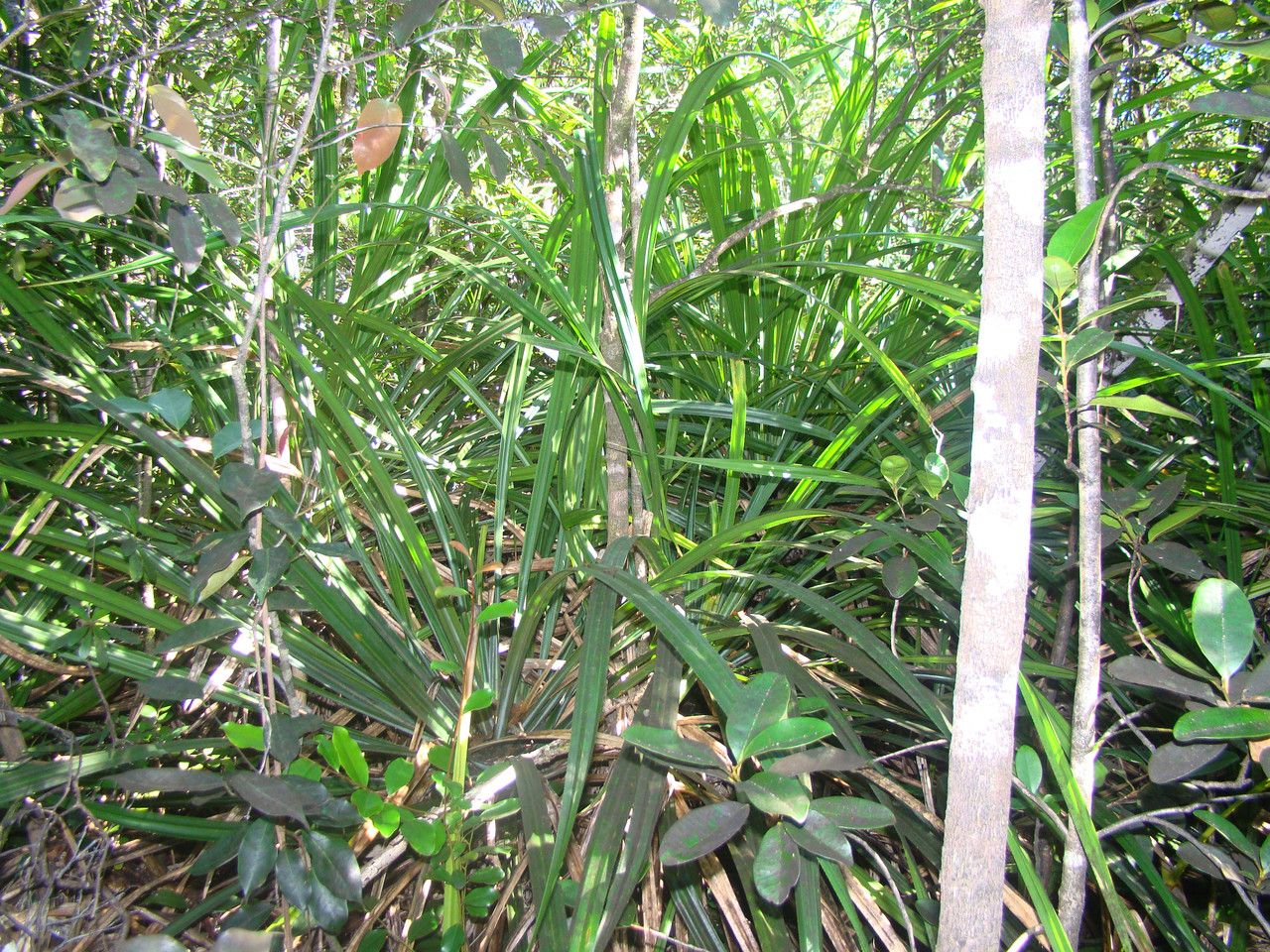
Hey there, fellow plant lovers!
You know, I’ve spent two decades with my hands in the soil, and I have to tell you, some plants just have a special place in my heart. Pandanus verecundus is one of them. With its architectural beauty and those striking, spiky leaves, it’s a real statement piece for any home or garden. And the best part? It’s incredibly rewarding to grow more of them yourself. Don’t let its exotic look fool you; propagating Pandanus verecundus is surprisingly accessible, even if you’re just dipping your toes into the world of plant propagation.
The Best Time to Start
For the absolute best chance of success, I always recommend starting your Pandanus propagation in late spring or early summer. This is when the plant is in its most active growth phase. You’ll have plenty of energy in the plant to draw from, and the warmer temperatures will encourage quicker root development. Think of it as giving your new plants the best possible head start with all the warmth and light they need.
Supplies You’ll Need
Before we get our hands dirty, let’s gather our toolkit. You won’t need anything too fancy, I promise!
- Sharp Pruning Shears or a Knife: Make sure they’re clean to prevent disease.
- Rooting Hormone (Optional but Recommended): A little dip can really boost your success rate.
- Potting Mix: I prefer a well-draining mix. A blend of equal parts coco coir, perlite, and a little bit of compost works wonders.
- Small Pots or Trays: Whatever you have on hand will likely do. Make sure they have drainage holes!
- Watering Can or Spray Bottle: For gentle watering.
- Clear Plastic Bag or Dome (Optional): To create a humid environment.
- A Warm Location: Think a sunny windowsill or a heated propagation mat.
Propagation Methods
Pandanus verecundus is quite generous, offering a couple of easy-peasy ways to multiply your plant collection.
Side Shoots (Pups)
This is, hands down, my favorite and the easiest method for Pandanus. Many mature plants will naturally produce “pups” or baby plants at their base or along their stems. You’ll usually spot these as smaller versions of the main plant emerging.
- Identify a Healthy Pup: Look for a pup that is at least a few inches tall and has a few developed leaves.
- Gently Detach: Using your clean pruning shears or knife, carefully cut the pup away from the mother plant. Try to get a little bit of the mother plant’s stem attached to the pup, if possible. This often carries dormant root buds.
- Trim Excess Leaves: If the pup has a lot of large leaves, you can trim some of them back, especially if they look like they’ll be getting in the way or might rot in the soil.
- Apply Rooting Hormone (Optional): Dip the cut end of the pup into your rooting hormone.
- Plant It Up: Fill a small pot with your well-draining potting mix. Make a hole in the center and gently insert the pup. Firm the soil around it.
- Water Gently: Give it a good, but gentle, watering. You want the soil to be moist but not soggy.
Stem Cuttings
If your Pandanus doesn’t have many pups, or you want to try a different approach, stem cuttings are also a viable option.
- Take a Cutting: Select a healthy stem that has at least two or three leaf nodes (where leaves emerge). Using your sharp shears, cut a section that’s about 4-6 inches long.
- Strip Lower Leaves: Remove the leaves from the bottom half of the cutting. This exposes the nodes where roots will form.
- Apply Rooting Hormone (Optional): Dip the cut end into rooting hormone.
- Plant or Water Propagate: You can either plant this cutting directly into your prepared potting mix as described above for pups, or try water propagation.
- Water Propagation: Place the cutting in a clean jar or vase filled with fresh water. Make sure the water level covers the leaf nodes you exposed.
The “Secret Sauce” (Pro Tips)
Now, here are a few little tricks I’ve learned over the years that can make a big difference:
- Don’t Let Leaves Touch the Water (if Water Propagating): This is super important! If any leaves are submerged in the water, they’ll almost certainly rot, which can then spread to the whole cutting. Trim them back so only the stem is in the water.
- Bottom Heat is Your Friend: If you can, providing gentle bottom heat can significantly speed up root development, especially for stem cuttings. A heating mat designed for seedlings is perfect for this. It mimics the warmth of the soil in summer and really encourages those roots to get going.
- Patience with Pups: Sometimes, pups look like they’re doing nothing for weeks. Don’t give up! They might be busy establishing a root system unseen beneath the soil. Resist the urge to constantly dig them up to check.
Aftercare & Troubleshooting
Once your Pandanus has settled in, keep the soil consistently moist but never waterlogged. If you’ve used a plastic bag or dome to create humidity, gradually acclimate your new plant to normal room conditions by opening it up a little more each day over a week or so.
The most common issue you’ll face is rot. This usually happens from too much moisture and poor air circulation. If you see any yellowing or mushy stems and leaves, it’s a sign things are too wet. Try to trim away any affected parts and allow the soil to dry out a bit more. If your cutting is in water and the leaves are rotting, remove them immediately.
Another sign of poor rooting is if the cutting just looks limp and sad after a long time with no new growth. This could mean it hasn’t rooted, or it may not have gotten enough light.
A Little Bit of Patience Goes a Long Way
Propagating plants is a journey, and with Pandanus verecundus, it’s a particularly satisfying one. Be patient, give your new cuttings the care they need, and don’t be discouraged if you have a little trial and error along the way. The joy of seeing those first tiny roots emerge or a new pup stand tall is absolutely worth it. Happy propagating!
Resource:
https://identify.plantnet.org/k-world-flora/species/Pandanus%20verecundus%20B.C.Stone/data