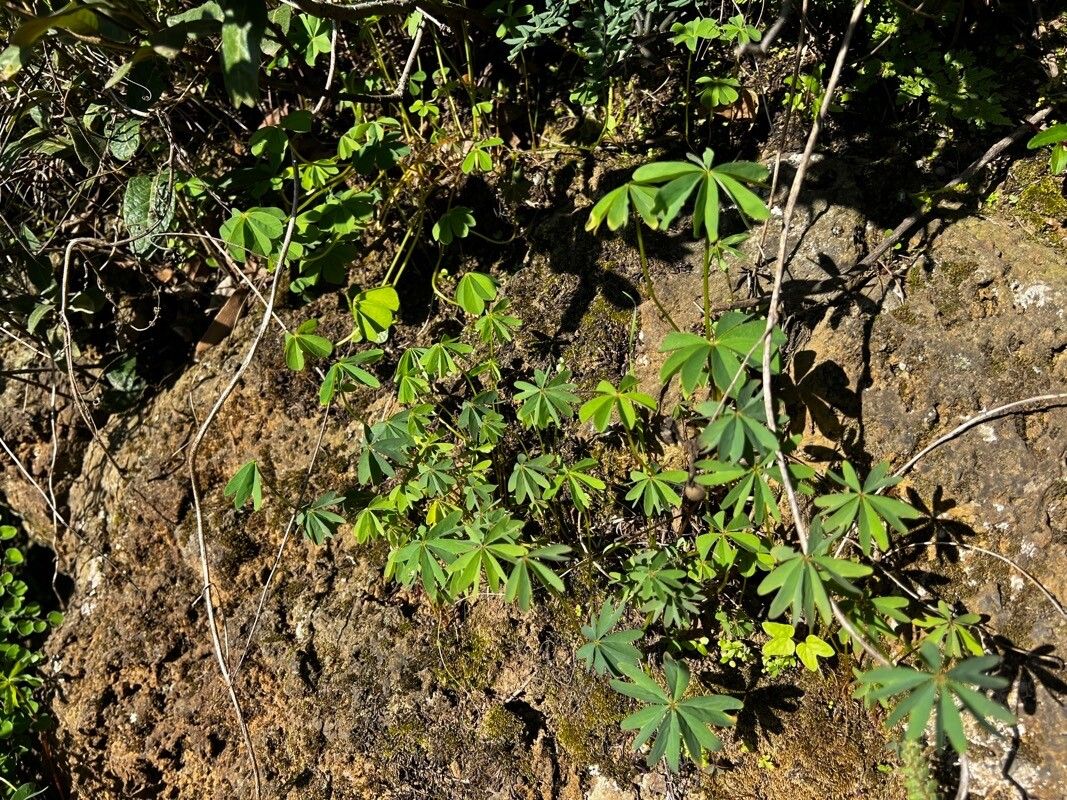
Oh, Oxalis divergens! If you’re looking for a little bit of magic in your garden, this is your plant. Its delicate, clover-like leaves—sometimes tinged with a beautiful purple—and those charming little flowers are just a delight. And the best part? Sharing this joy with friends is incredibly easy. If you’re new to the gardening world, I can tell you right now, propagating Oxalis divergens is a fantastic way to build your confidence. It’s a forgiving plant, and seeing a tiny piece of it transform into a whole new life is a truly rewarding experience.
The Best Time to Start
Generally, spring and early summer are your golden ticket for propagating Oxalis divergens. This is when the plant is actively growing, pushing out new shoots and energy. Starting during its vigorous growth phase means your cuttings or divisions have the best chance of taking root and thriving. You want to catch it before the heat of mid-summer really sets in, or as it shakes off its winter dormancy.
Supplies You’ll Need
- Sharp pruning shears or a clean craft knife: For making neat cuts.
- A light, well-draining potting mix: I like a blend of regular potting soil with perlite or horticultural sand. This is key to preventing soggy roots.
- Small pots or trays: Clean ones are important to avoid disease.
- Watering can or spray bottle: For gentle hydration.
- Optional: Rooting hormone: While Oxalis divergens usually roots without it, it can give an extra boost.
- Optional: Clear plastic bag or dome: To create a humid microclimate.
Propagation Methods
Oxalis divergens is quite versatile, but division is the absolute easiest way to multiply your plants.
-
Division: This is my go-to method for Oxalis divergens.
- Gently remove the entire plant from its pot. If it’s in the ground, carefully dig around the base.
- Look for where the plant naturally wants to separate into smaller clumps or sections. You’ll often see distinct little bulbs or root masses connected by rhizomes.
- With clean hands or a trowel, gently pull or cut the plant apart. Aim for sections that have a good amount of roots and at least a few leaves or stems. Don’t worry if you tear a few roots; the plant is resilient.
- Pot up your divisions into their own small containers filled with your well-draining mix. Water them in gently.
-
Stem Cuttings (A Bit More Adventurous):
- Using your clean pruning shears, take cuttings from healthy, non-flowering stems. Aim for pieces about 3-4 inches long.
- Remove the lower leaves from the cutting, leaving just a few at the top.
- If you’re using rooting hormone, dip the cut end into it, tapping off any excess.
- Gently insert the cuttings about an inch deep into your prepared potting mix. You can place several in one pot, giving them a little space.
- Water lightly to settle the soil.
The “Secret Sauce” (Pro Tips)
- Don’t Over-Water: This is the biggest pitfall. Oxalis divergens hates sitting in soggy soil. Water only when the top inch of soil feels dry. It’s better to be a little too dry than too wet.
- Humidity is Your Friend (for Cuttings): If you’re trying stem cuttings, a little humidity goes a long way. Pop a clear plastic bag loosely over the pot or use a propagation dome. This creates a mini-greenhouse effect that helps prevent the cuttings from drying out before they can root. Just make sure to air it out every couple of days to prevent mold.
- Bottom Heat Helps: If you’re struggling to get cuttings to root, especially if it’s not super warm indoors, consider a seedling heat mat. Placing your pots on a gentle heat source can significantly speed up root development.
Aftercare & Troubleshooting
Once your divisions are potted up or your cuttings have started to show new growth at the tips (a good sign they’re rooting!), treat them like a mature plant. Keep them in bright, indirect light. Water when the soil starts to dry out.
The most common problem you’ll encounter is rot, usually caused by overwatering. If a division or cutting turns mushy and black, it’s unfortunately a goner. Make sure your soil is airy and your watering is judicious. If you see leaves wilting drastically, it could be either too much or too little water, so check the soil moisture first.
A Encouraging Closing
Propagating Oxalis divergens is a wonderfully accessible way to connect with your plants and expand your collection, or to simply share a bit of green beauty with loved ones. Don’t be discouraged if your first attempt isn’t perfect. Gardening is always a journey of learning and observation. Be patient, enjoy the process of nurturing these tiny new lives, and you’ll soon have an abundance of these charming little plants. Happy propagating!
Resource:
https://identify.plantnet.org/k-world-flora/species/Oxalis%20divergens%20Benth.%20ex%20Lindl./data