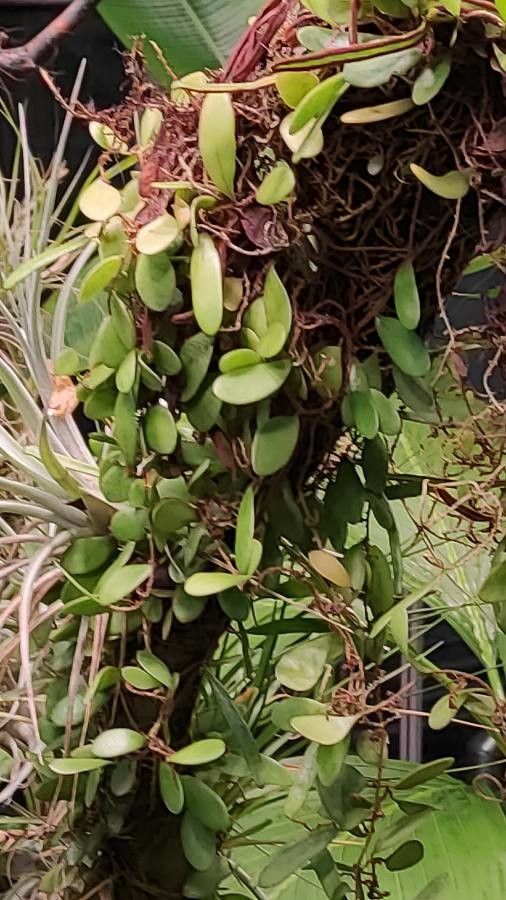
Hey there, fellow plant lovers! It’s so good to share a quiet moment with you and talk about one of my favorite tricks of the gardening trade: propagation. Today, we’re diving into the wonderful world of Neoregelia abendrothae.
Why You’ll Love Propagating Neoregelia abendrothae
This gorgeous bromeliad, Neoregelia abendrothae, brings such a vibrant splash of color and interesting form to any space. Its intricate strap-like leaves and subtle inflorescence are truly a sight to behold. And the best part? Propagating them is wonderfully rewarding! You get to create new life from an established plant, which is a pretty magical feeling if you ask me. For beginners, Neoregelia abendrothae is a fantastic plant to start with for propagation. It’s generally quite forgiving.
When to Get Your Hands Dirty
The absolute best time to propagate your Neoregelia abendrothae is when it’s in its most vigorous growth phase. This usually means late spring through early summer. You want to see new pups, those adorable little baby plants, starting to emerge from the base of the mother plant. If you try to divide or take pups when the plant is stressed or dormant, you’ll likely have less success.
Your Propagation Toolkit
Here’s what you’ll want to have on hand for a smooth propagation session:
- Sharp, clean pruning shears or a sharp knife: Sterilize them with rubbing alcohol before and after use. This is crucial to prevent disease.
- Well-draining potting mix: I like a mix of orchid bark, perlite, and a bit of sphagnum moss. You want something that won’t hold too much moisture.
- Small pots or containers: Think 4-inch or 6-inch pots, depending on the size of your pups.
- Rooting hormone (optional but helpful): A powder or gel can give your new plants a little boost.
- A spray bottle: For misting.
- A tray or saucer: To catch any excess water.
Bringing New Life: Propagation the Easy Way
For Neoregelia abendrothae, the main way we propagate is through division, which involves separating the pups from the mother plant. It’s quite straightforward!
- Assess your plant: Look for pups that are at least one-third the size of the mother plant. These are more likely to have developed their own root system.
- Gently remove from pot: Carefully tip your Neoregelia out of its container. You might need to loosen the soil around the edges.
- Locate the pups: You’ll see these smaller plants growing from the base of the main plant.
- Make the cut: Using your sterilized shears or knife, carefully cut the pup away from the mother plant. Try to get as much of the pup’s base, where the roots emerge, as possible. If a pup already has a decent root system, that’s a big bonus! If there are no visible roots, don’t worry; it will likely form them.
- Prepare the pup: Remove any old or damaged leaves from the base of the pup. This helps prevent rot and encourages new growth.
- Pot them up: Fill your small pots with your well-draining mix. Make a little well in the center and place the pup in. Firm the soil gently around the base.
My “Secret Sauce” Tips
Here are a few extra pointers that have saved me countless headaches and encouraged many a happy new plant:
- Let wounds dry: After you’ve separated the pup, letting the cut end air dry for a few hours can help callus over the wound, reducing the risk of rot when you first pot it.
- Don’t overwater the pups: They have tiny root systems at first. Water them only when the soil is starting to feel dry to the touch. Overwatering is the most common mistake and leads to rot.
- A warm embrace is best: Bromeliads love warmth. If you have a heat mat for seedlings, placing your potted pups on it can significantly speed up root development. It’s like a cozy little spa day for your new babies!
The Road to a Thriving New Plant
Once your pups are potted, here’s how to nurture them.
- Light: Place them in bright, indirect light. Avoid direct sun, which can scorch their leaves.
- Watering: Water sparingly. Mist the leaves occasionally to keep humidity up, but let the potting mix dry out between waterings. You’ll eventually see new leaf growth emerge from the center of the pup once roots are established.
- Troubleshooting: The biggest enemy is rot. If the base of your pup turns mushy and black, it’s likely rot. Unfortunately, this is often fatal. This usually happens from too much moisture. If you see a pup looking sad and wilted, check the soil moisture first. If it’s too wet, try to gently remove it and let the base dry out before repotting in fresh, dry mix.
So there you have it! Propagating Neoregelia abendrothae is a simple and satisfying way to expand your collection. Be patient, observe your plants, and don’t be afraid to try. The joy of seeing a tiny pup grow into a magnificent plant is truly worth it. Happy propagating!
Resource:
https://identify.plantnet.org/k-world-flora/species/Neoregelia%20abendrothae%20L.B.Sm./data