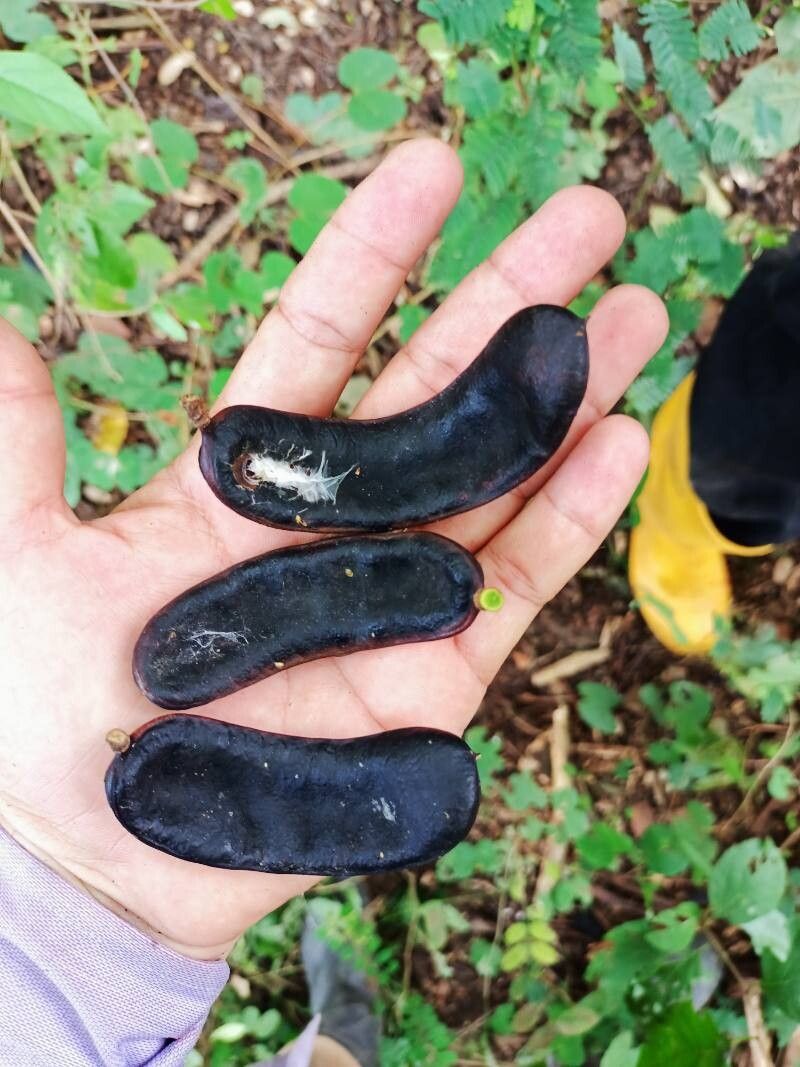
Oh, hello there! It’s wonderful you’re curious about propagating Libidibia glabrata. This stately tree, with its elegant, fern-like foliage and sometimes showy yellow blooms, is a real gem in the garden, isn’t it? Getting more of them is a truly rewarding adventure, allowing you to share its beauty or simply expand your own personal oasis. Now, I’ll be honest, Libidibia glabrata can be a little fussy when it comes to propagation, but with a bit of care and the right approach, it’s definitely achievable, even for those of you who are just starting to get your hands dirty.
The Best Time to Start
For the highest chance of success, I always recommend taking cuttings in the late spring or early summer. This is when the plant is actively growing, and the new wood is just starting to harden off. You’re looking for stems that are pliable but not completely soft and green. Think of it like this: you want wood that has some resilience, that won’t snap like a dry twig but also isn’t floppy.
Supplies You’ll Need
Here’s what you’ll want to have on hand before you start:
- Sharp, clean pruning shears or a sharp knife. Sterilize them with rubbing alcohol!
- Rooting hormone (powder or gel). This is a big help for Libidibia glabrata.
- A well-draining potting mix. I usually use a blend of peat moss, perlite, and a bit of sand. A good quality seed-starting mix works too.
- Small pots or trays with drainage holes.
- A spray bottle for misting.
- A plastic bag or a propagator with a lid to create a humid environment.
- A heat mat (optional, but highly recommended!).
Propagation Methods: Let’s Get Cutting!
We’ll focus primarily on stem cuttings, as this is generally the most successful method for Libidibia glabrata.
-
Select Your Stems: Head out to your plant and look for those semi-hardwood stems I mentioned. You want pieces that are about 4-6 inches long. Remove any leaves from the bottom half of the cutting. This is important because those buried leaves will just rot and invite disease into your cutting. If a leaf is particularly large, you can even cut it in half horizontally to reduce water loss.
-
Prepare the Cutting: At the bottom of your cutting, make a fresh cut just below a leaf node (where a leaf attaches to the stem). This is where the magic happens, where roots are most likely to form.
-
Dip in Rooting Hormone: Moisten the cut end of the stem with a little water, then dip it into the rooting hormone, coating the cut surface and about an inch or so up the stem. Tap off any excess.
-
Plant the Cuttings: Fill your small pots or trays with your well-draining potting mix. Use a pencil or your finger to poke a hole in the center of the soil. Gently insert the stem cutting into the hole, making sure the node where you removed the leaves is buried. Firm the soil gently around the stem to ensure good contact.
-
Create a Humid Environment: Water the soil thoroughly until you see it drain from the bottom. Then, cover the pot or tray with a plastic bag or place it in a propagator. Make sure the bag doesn’t touch the leaves too much. Invert a clear plastic cup over a single cutting if you prefer.
-
Provide Warmth: This is where the heat mat comes in handy! Place your pots on the heat mat. This encourages root development from below, which is crucial. The soil temperature should be around 70-75°F (21-24°C).
The “Secret Sauce” (Pro Tips)
- Don’t Let Those Leaves Touch The Compost: I know I mentioned it already, but it bears repeating. Even if a leaf just brushes the surface of the soil, it can be a pathway for rot. Keep them clean and dry.
- Consider Bottom Heat: Seriously, this is a game-changer for many woody plants, including Libidibia glabrata. That consistent warmth from below is like a cozy blanket for your developing roots. It speeds things up considerably.
- Mist, Don’t Soak, The Leaves: While you want high humidity around the cuttings, you don’t want water sitting on the leaves for too long. A light misting with your spray bottle once or twice a day is usually enough. If you see water pooling, gently dab it off with a paper towel.
Aftercare & Troubleshooting
Once your cuttings are planted and housed, keep them in a location with bright, indirect light. Avoid direct sunlight, which can scorch the delicate leaves and overheat the cuttings. Check the soil moisture regularly. You want it to be consistently moist, but not waterlogged.
You’ll know your cuttings are taking root when you see new growth appearing. This usually takes several weeks, sometimes a couple of months. You can also gently tug on the cutting; if there’s resistance, roots have likely formed.
The biggest challenge you might face is rot. If you see a cutting turning mushy, blackening, or falling over, it’s probably succumbed to rot. This is often caused by too much moisture and poor air circulation. If this happens, remove the affected cutting immediately to prevent it from spreading.
Once your cuttings have a good root system, you can gradually acclimate them to lower humidity by opening the bag or propagator a little more each day. Then, you can transplant them into slightly larger pots with a good potting mix.
Keep Going, Green Thumb!
Propagating Libidibia glabrata might take a bit of patience, but watching those tiny roots emerge and new leaves unfurl is incredibly satisfying. Don’t be discouraged if you lose a few along the way; it’s all part of the learning process. Enjoy the journey, and soon you’ll have more of these beautiful trees to grace your garden! Happy propagating!
Resource: